Congressional Resistance to Trump’s Iran War Intensifies
Republican leaders in the U.S. House of Representatives postponed a critical vote on legislation aimed at limiting President Donald Trump’s military campaign against Iran after internal vote counts suggested the measure could unexpectedly pass with bipartisan support.
The delayed legislation, introduced by Democratic lawmakers under the War Powers Act, seeks to require the administration to end U.S. military involvement in the conflict unless Congress formally authorizes continued operations.
The move highlights growing political divisions inside the Republican Party over the war, which Trump launched more than two months ago without explicit congressional approval. The conflict has increasingly become a source of tension on Capitol Hill as lawmakers face mounting public concerns about rising fuel prices, instability in global shipping routes and the long-term consequences of military escalation in the Middle East.
Democratic Congressman Gregory Meeks, who sponsored the House resolution, accused Republican leadership of postponing the vote because they lacked enough support to defeat the measure.
According to lawmakers involved in the negotiations, Republican leaders became increasingly concerned after several GOP members signaled willingness to support restrictions on presidential war authority.
The House resolution follows a similar debate unfolding in the Senate, where several Republican senators recently broke with party leadership by supporting a separate war powers measure intended to limit the administration’s military authority regarding Iran.
Congressional procedures and legislative information related to war powers and military authorization can be reviewed through United States Congress and U.S. House of Representatives.
Rising Economic Pressure and Shipping Disruptions Fuel Opposition
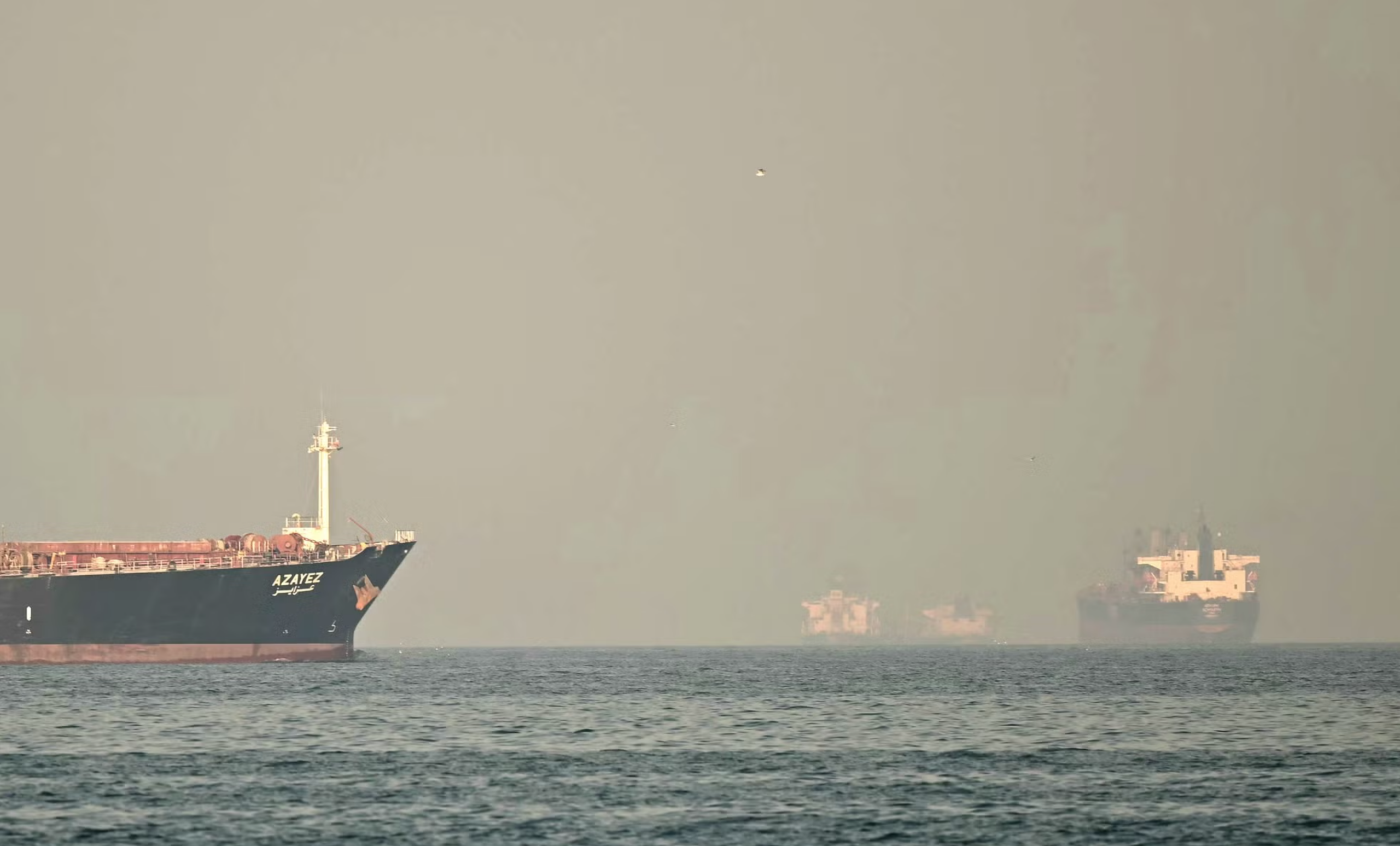
Frustration surrounding the Iran conflict has intensified as the ongoing military standoff in the Strait of Hormuz continues disrupting international shipping routes and increasing global energy prices.
The Strait of Hormuz remains one of the world’s most strategically important maritime corridors because a substantial portion of global oil exports pass through the region daily. Continued instability has placed additional pressure on international markets, contributing to higher gasoline prices across the United States.
Many lawmakers from both parties say economic concerns are becoming increasingly difficult to ignore as American consumers face rising transportation and household costs.
Several members of Congress have warned that prolonged military involvement without clear objectives risks deepening economic instability while exposing the United States to broader regional escalation.
The debate has also revived long-standing constitutional questions regarding presidential war powers and congressional oversight. Critics argue that large-scale military action should require explicit authorization from Congress rather than unilateral executive action.
Supporters of the administration, however, maintain that the president possesses sufficient authority to respond rapidly to national security threats involving Iran and regional allies.
International energy market developments and shipping security updates continue to be monitored through U.S. Energy Information Administration and International Energy Agency.
Political analysts note that economic consequences often reshape public attitudes toward military conflicts, especially when wars begin affecting fuel prices, inflation and supply chains domestically.
Republican Unity Fractures as Midterm Pressures Grow
The delayed vote represents one of the clearest signs yet that Republican unity behind Trump’s foreign policy strategy may be weakening as the 2026 midterm elections approach.
While party leadership has largely defended the administration publicly, an increasing number of rank-and-file Republicans appear uneasy about the political risks associated with a prolonged conflict. Several conservative lawmakers have raised concerns about war spending, military escalation and the absence of a clearly defined long-term strategy.
Last week, another House war powers resolution nearly succeeded after several Republicans joined Democrats in support of limiting military involvement. The measure ultimately failed only because of a tied vote.
Democratic Congressman Adam Smith argued that lawmakers are beginning to respond to broader public dissatisfaction with the conflict.
Meanwhile, Democratic Congressman Jared Golden, who previously voted against a similar measure, has now announced support for the next resolution, further increasing pressure on Republican leadership.
Political observers say the war is becoming increasingly difficult for lawmakers to separate from broader economic frustrations already affecting voters nationwide. Rising gasoline prices and inflation concerns are emerging as central campaign issues ahead of the midterms.
The situation has also created visible differences within the Trump administration itself regarding messaging surrounding the conflict. Public comments from senior officials have at times appeared inconsistent regarding military objectives, diplomatic negotiations and the possibility of future escalation.
Foreign policy developments involving Iran and the Middle East continue to be monitored through Council on Foreign Relations and United Nations.
As Congress prepares to revisit the legislation in June, both parties are expected to intensify lobbying efforts aimed at persuading undecided lawmakers. The outcome could become a defining test of congressional authority over military action and a major political challenge for Trump as public skepticism toward the war continues growing.