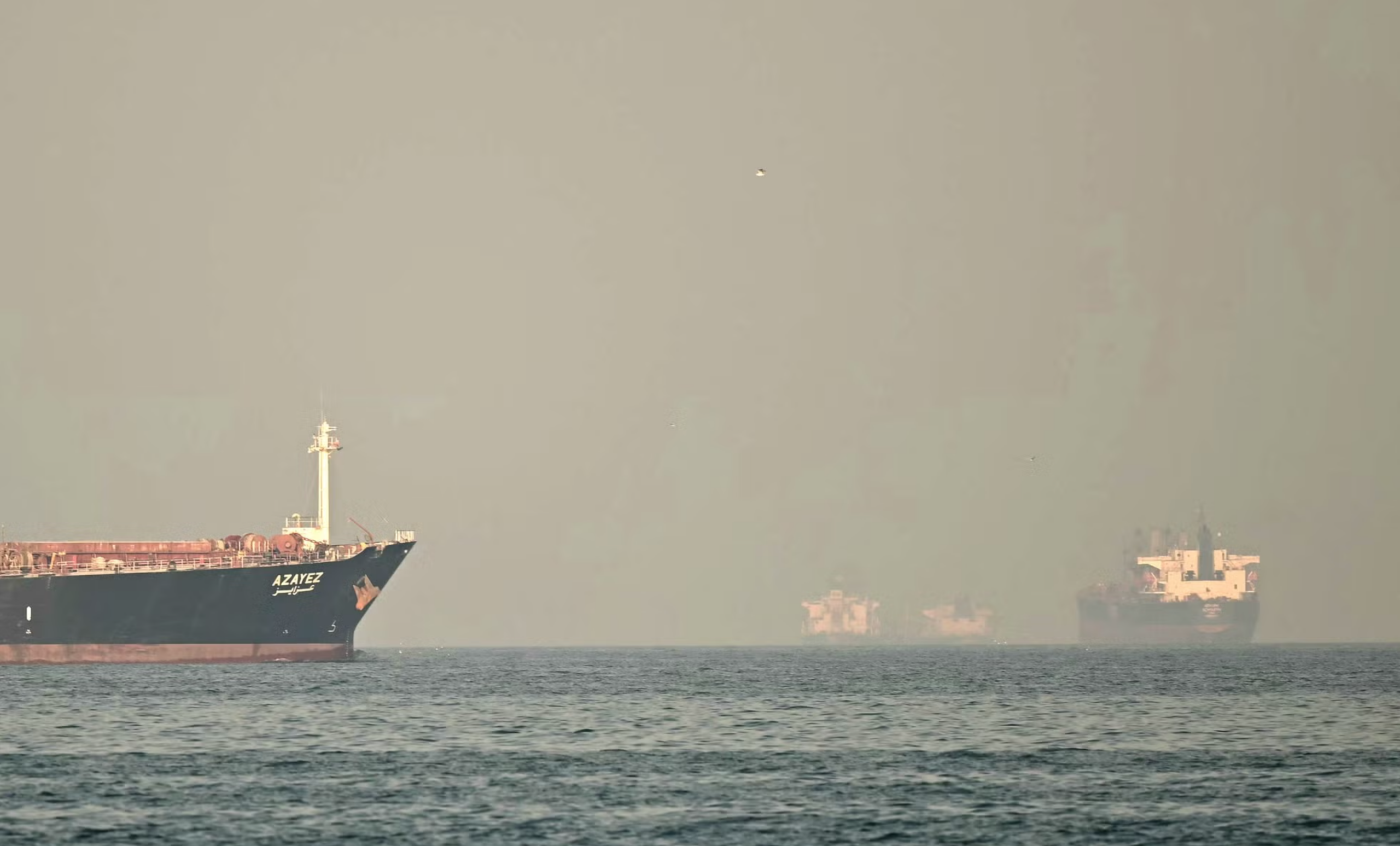

Iran Reasserts Control Over Strategic Waterway
Iran has announced a renewed closure of the Strait of Hormuz, reversing its brief decision to reopen one of the world’s most critical maritime corridors. The move comes as tensions escalate ahead of the potential expiration of a fragile ceasefire. Negotiations remain uncertain and geopolitical risks are intensifying.
The strait is a vital route for global energy shipments, and has once again become a focal point of international concern. According to maritime tracking data from MarineTraffic, vessel activity in the area has sharply declined following the latest announcement. This reflects the immediate impact on commercial shipping.
Iranian authorities indicated that the renewed restrictions would remain in place until broader demands are met, including the lifting of external pressure on its ports. This abrupt shift has injected fresh volatility into global markets. The passage typically facilitates the movement of a significant share of the world’s crude oil and liquefied natural gas.
The uncertainty surrounding access to the waterway is already influencing supply expectations. Traders and shipping operators are reassessing routes and contingency plans. Even temporary disruptions in the strait can ripple across energy markets, given its strategic importance.
Escalation Risks and Maritime Security Incidents
The renewed closure has been accompanied by heightened security concerns in the region. Maritime monitoring groups, including the United Kingdom Maritime Trade Operations, have reported incidents involving commercial vessels near the strait. This further underscores the fragile security environment.
In one such episode, a tanker navigating close to the corridor was approached by armed units. This raised alarms among shipping companies and insurers. While no casualties were reported, the घटना has intensified fears about the safety of vessels attempting to transit the المنطقة.
Naval forces operating in the region are now facing increased pressure to ensure safe passage while avoiding further escalation. Military oversight coordinated through entities such as the U.S. Central Command continues to play a central role in monitoring developments and responding to potential threats.
At the same time, diplomatic uncertainty remains a key driver of instability. Statements from political leaders suggest that the possibility of renewed military action has not been ruled out. This adds to the unpredictability of the situation. The combination of strategic positioning and political rhetoric has created a volatile environment. Even minor incidents can have outsized consequences.
Regional Conflict Expands Beyond Maritime Routes
Beyond the strait itself, the broader regional conflict is showing signs of expansion. Developments in neighboring areas are contributing to the overall tension. International organizations such as the United Nations have expressed concern over escalating incidents that risk undermining fragile ceasefire agreements.
Clashes and security incidents in nearby مناطق have raised questions about the durability of current diplomatic efforts. Accusations between regional actors, coupled with ongoing military activity, have complicated attempts to stabilize the situation.
The humanitarian dimension is also becoming more pronounced, as displacement and infrastructure damage continue to affect civilian populations. Large numbers of people have been forced to leave their homes, while others are attempting to return despite ongoing risks.
At the same time, political leaders across the region are navigating competing priorities—balancing calls for de-escalation with strategic objectives that may prolong tensions. The evolving situation highlights the interconnected nature of regional conflicts. Developments in one area can rapidly influence dynamics elsewhere.
As negotiations continue and deadlines approach, the status of the Strait of Hormuz remains uncertain. Global markets, shipping industries, and governments are closely watching each development.