
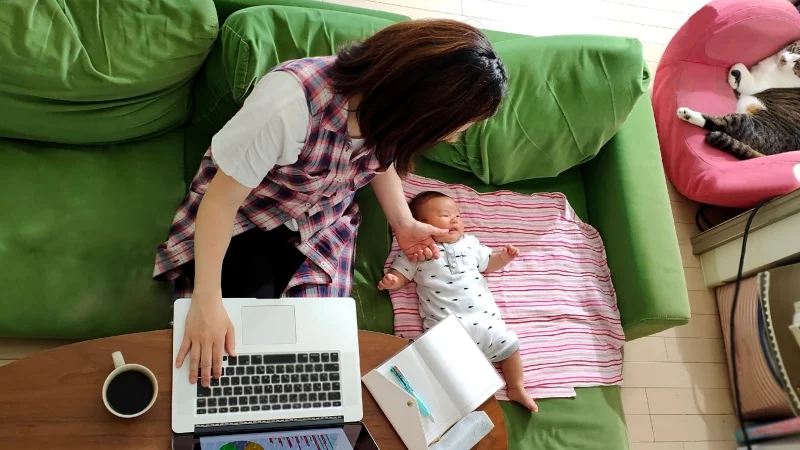
Adjusting to a New Identity at Work and Home
Returning to work after parental leave can feel overwhelming, even for those who had time to prepare. The emotional shift of stepping back into a professional role while managing the demands of a newborn often creates a sense of внутренний conflict. Many parents describe their first days back as a mix of चिंता, guilt, and pressure to perform at pre-leave levels.
Experts in workplace transitions, such as those at the <a href=”https://www.dol.gov/”>U.S. Department of Labor</a>, highlight that the absence of universal paid leave policies can intensify this challenge, particularly in the United States. Without consistent institutional support, parents are often forced to navigate two major life changes simultaneously, frequently while coping with sleep deprivation and limited guidance.
This transition is not only logistical but psychological. Moving from a singular professional identity to a dual role requires rapid adaptation. The adjustment period can vary widely, and even those with extended leave may find themselves struggling to reestablish routines. Recognizing this shift as a process rather than an immediate switch can help reduce the pressure many parents place on themselves.
Rethinking Expectations and Workplace Flexibility
One of the most effective ways to ease the return-to-work experience is by actively reshaping expectations. Instead of assuming that work conditions are fixed, parents can benefit from initiating conversations with employers about flexibility and support. Organizations increasingly acknowledge the importance of employee well-being, and guidance from institutions like the <a href=”https://www.shrm.org/”>Society for Human Resource Management</a> suggests that open dialogue can lead to practical adjustments.
Simple changes—such as modified start times, hybrid schedules, or phased returns—can significantly improve daily balance. Planning ahead is equally important. Establishing a structured reentry plan before leave ends allows both employee and employer to align expectations and reduce uncertainty.
Regular check-ins during leave or shortly after returning can also provide clarity and reassurance. These conversations help ensure that responsibilities are manageable and that priorities are clearly defined. In many cases, flexibility exists but must be requested proactively, making communication a key عنصر in creating a sustainable work routine.
Embracing Realistic Standards and Long-Term Adaptation
As parents settle back into their roles, adjusting personal expectations becomes essential. Research highlighted by organizations such as the <a href=”https://www.apa.org/”>American Psychological Association</a> indicates that parenthood often enhances efficiency and focus, as individuals learn to manage time more deliberately. However, this does not eliminate the challenges of balancing competing demands.
Adopting a “good enough” mindset can help reduce unnecessary stress. Rather than striving for perfection across all areas—career, parenting, and personal life—prioritizing what truly matters allows for more sustainable progress. This approach encourages parents to evaluate which responsibilities are essential and which may be self-imposed pressures.
Support systems also play a critical role in long-term adaptation. Access to childcare resources, family assistance, and workplace accommodations can ease the burden significantly. Platforms like <a href=”https://www.childcare.gov/”>ChildCare.gov</a> provide tools and information that help parents navigate these practical needs.
Over time, many parents find that their confidence grows as they establish new routines and redefine success on their own terms. The transition may take months or longer, but gradual adjustment allows for a more stable integration of professional and family life.