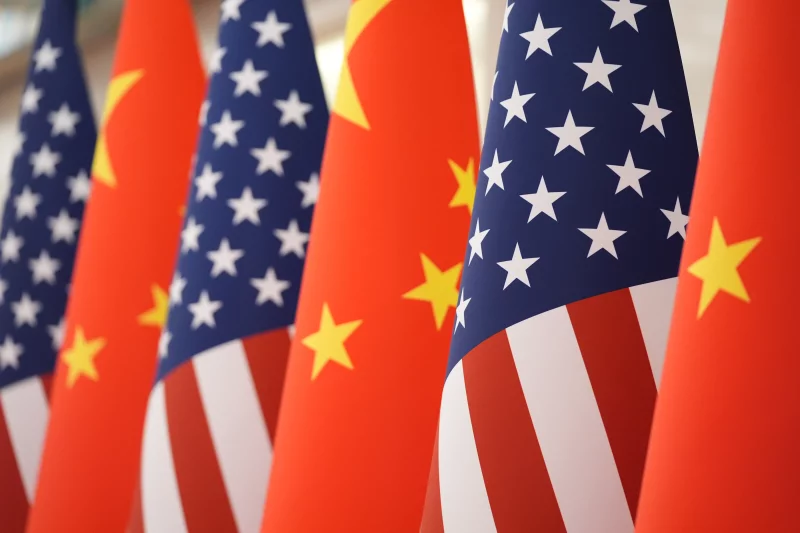
Hong Kong trade status has emerged once again as a key issue in relations between the United States and China. This comes after Beijing indicated that Washington may allow a policy introduced during the previous administration to expire. Chinese officials described the move as a constructive step. They said it could help rebuild confidence between the world’s two largest economies.
The announcement follows months of diplomatic contacts aimed at stabilizing bilateral ties. Both governments are seeking areas where economic cooperation can continue despite broader geopolitical differences. While U.S. officials have not detailed the practical effects of the policy change, the development has attracted close attention from investors, businesses and international observers.
Official information on U.S. trade policy is available through the Office of the United States Trade Representative.
Hong Kong trade status remains central to bilateral economic ties
Hong Kong has historically enjoyed a unique commercial position because of its role as an international financial center. The city connects global businesses with mainland China. Changes to its preferential treatment have affected trade, investment and financial cooperation since special measures were withdrawn several years ago.
Chinese authorities said recent discussions with U.S. officials included commitments related to Hong Kong and broader commercial issues. According to Beijing, allowing previous restrictions to lapse reflects progress in implementing understandings reached during earlier economic negotiations.
Although the long-term impact remains uncertain, businesses operating in Asia are closely monitoring whether additional trade benefits or regulatory changes could follow. Analysts say any easing of restrictions would likely improve investor sentiment. It would also facilitate commercial exchanges between international companies and Hong Kong-based institutions.
Additional information on international trade policy can be found at the World Trade Organization.
Sanctions and diplomatic engagement continue to shape policy
Despite the positive tone from Beijing, several measures affecting Hong Kong remain in place under separate U.S. legal authorities. American officials confirmed that some sanctions associated with an expired executive order have ended. However, other restrictions continue under different legislation.
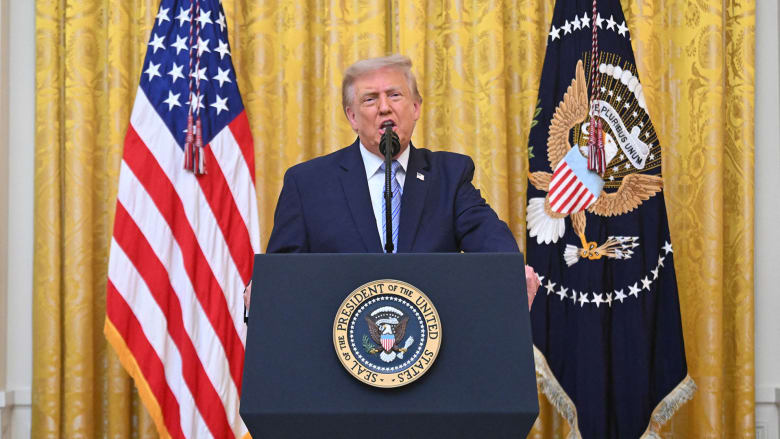
The policy adjustment comes after a period of renewed diplomatic engagement between Presidents Donald Trump and Xi Jinping. Recent high-level meetings have addressed trade, investment, regional security and other areas where both governments are attempting to reduce tensions. At the same time, they are protecting their respective strategic interests.
Observers also noted recent humanitarian developments, including the release of an American citizen previously detained in China. This is another indication that dialogue between Washington and Beijing has become more active.
Official sanctions information is published by the U.S. Office of Foreign Assets Control.
Business leaders watch for broader economic implications
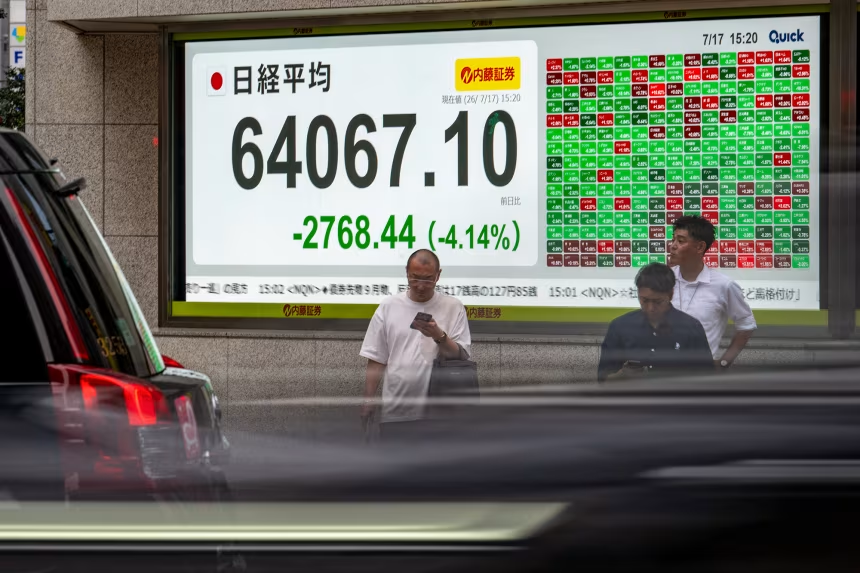
Financial markets are evaluating whether the latest diplomatic signals could pave the way for additional cooperation on trade and investment. Hong Kong continues to serve as one of Asia’s leading financial hubs. Any changes affecting its commercial relationship with the United States could influence multinational corporations, financial institutions and international investors.
At the same time, political differences surrounding Hong Kong’s governance and national security framework remain unresolved. Western governments have continued expressing concerns about civil liberties in the territory. Meanwhile, Chinese authorities maintain that existing legislation is essential for preserving stability and long-term economic development.
For global companies, the evolving relationship between Washington and Beijing will remain a critical factor influencing investment decisions. It will also affect regional supply chains and cross-border financial activity in the Asia-Pacific region.
Background on Hong Kong’s economy and financial system is available from the World Bank.