Google has introduced a new artificial intelligence feature for Google Earth that allows users to generate fictional satellite images using simple text prompts, a move that has prompted concern among journalists, researchers, and open-source intelligence experts.
The feature, announced as part of Google Earth’s latest update, enables users to zoom into virtually any location, select “Create Image,” and generate AI-created satellite imagery based on their imagination.
While Google describes the tool as a creative experience, critics warn it could make it significantly easier to create convincing fake satellite images depicting events that never occurred.
Experts Warn of Deepfake Satellite Imagery
Open-source investigators, who frequently rely on satellite imagery to verify conflicts, natural disasters, and breaking news, have expressed alarm over the technology’s potential misuse.
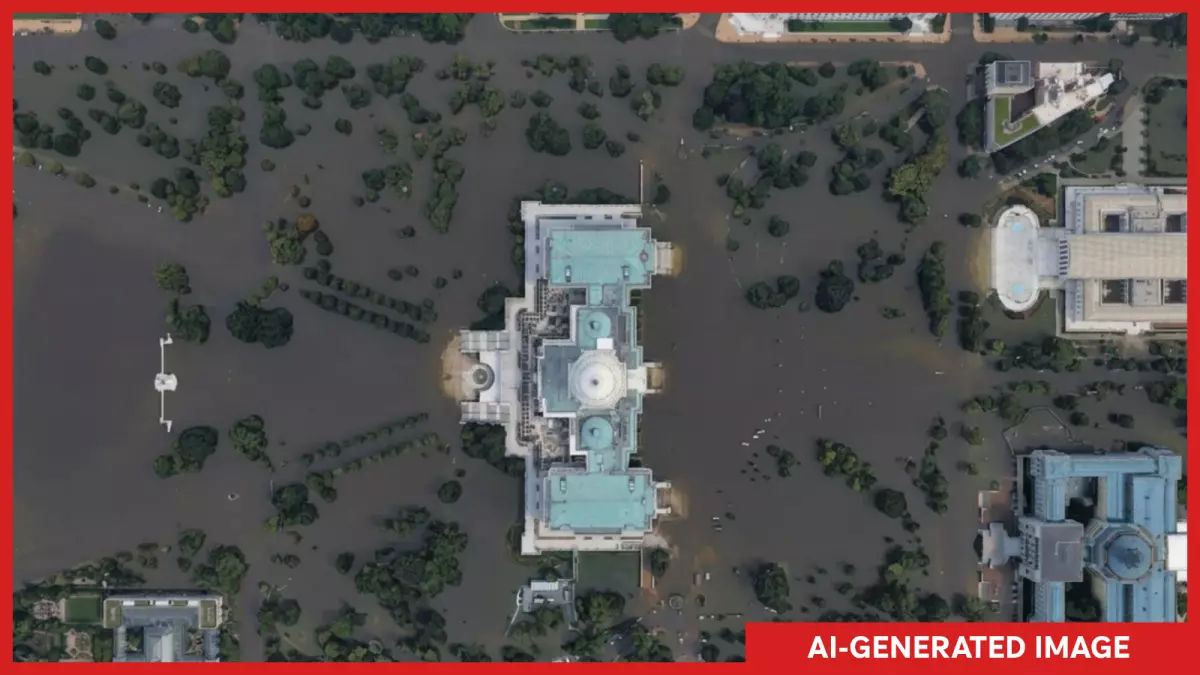
Tests conducted by researchers demonstrated that the tool could generate realistic images of fictional events, including military attacks, natural disasters, and damaged infrastructure. Such fabricated images could easily circulate online during crises and be mistaken for authentic evidence.
Analysts argue that satellite imagery has historically served as one of the most trusted forms of visual verification because it originates from commercial or government-operated satellites rather than user-generated content.
That longstanding trust, they say, may now become more difficult to maintain.
Verification Challenges for Journalists
Organizations specializing in digital investigations use satellite imagery alongside photos, videos, and geolocation techniques to verify events occurring around the world, particularly in areas inaccessible to journalists.
Experts warn that AI-generated satellite images could complicate these investigations by introducing highly realistic fabricated content into the information ecosystem.
They also caution that governments or organizations accused of wrongdoing may increasingly dismiss authentic satellite evidence as artificial, further eroding public confidence in legitimate reporting.
Google Highlights Built-In Safeguards
Google says the new feature includes several protections designed to reduce misuse.
According to the company, all AI-generated images include SynthID, Google’s digital watermark technology, allowing compatible Google products to recognize content created using artificial intelligence.
The company also says it blocks image generation involving certain harmful topics and continues to improve its safety systems.
Despite those safeguards, many researchers remain unconvinced, arguing that watermarks may not be visible once images are shared across social media platforms, cropped, edited, or redistributed outside Google’s ecosystem.
Growing Debate Over AI and Digital Trust
The launch comes as concerns continue to grow about the impact of generative AI on journalism, public trust, and online misinformation.
As artificial intelligence becomes increasingly capable of producing realistic images, videos, and audio, experts say reliable methods of verifying digital content are becoming more important than ever.
For investigators who have long relied on satellite imagery as one of the most dependable forms of visual evidence, the arrival of AI-generated satellite images represents a significant shift—one that may require new verification techniques and greater public awareness in the years ahead.