Pope Leo XIV Pushes Back Against Trump Criticism Over Iran War
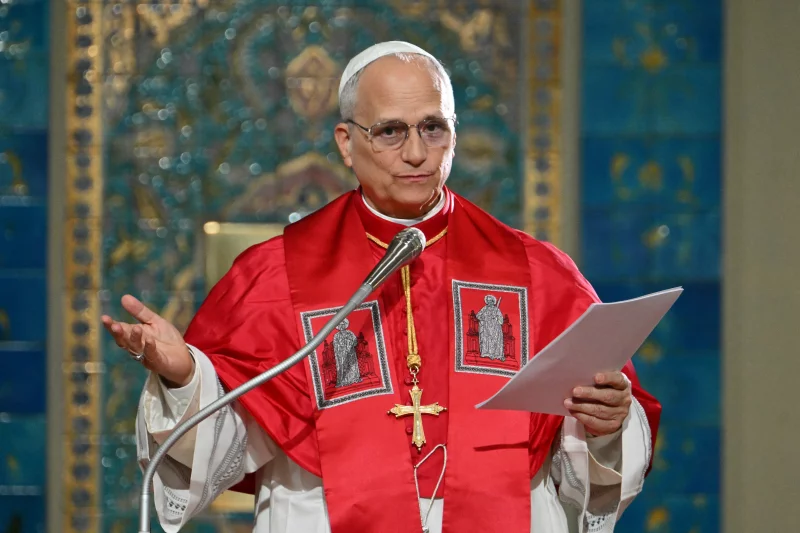
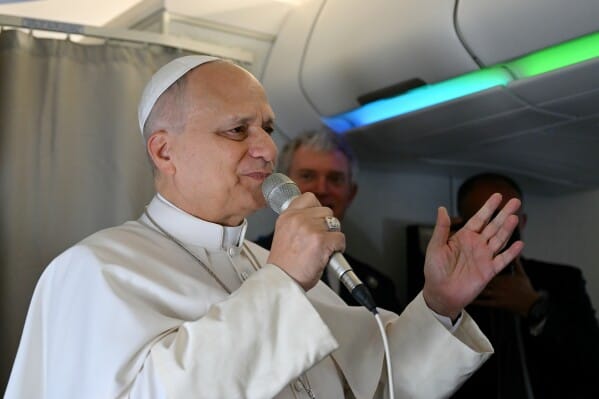
Tensions between the Vatican and the United States escalated as Pope Leo XIV publicly responded to criticism from President Donald Trump regarding his stance on the Iran war. Speaking aboard the papal plane during an international trip, the pontiff firmly rejected political framing of his message, emphasizing that his calls for peace are rooted in religious principles rather than geopolitical positioning.
The exchange highlights a rare and increasingly visible clash between religious leadership and political authority, particularly in the context of ongoing conflict involving the United States, Israel, and Iran.
Pope Leo Emphasizes Peace and Rejects Political Framing
Pope Leo XIV made clear that his statements on the Iran war are not directed at any individual leader but reflect a broader moral stance grounded in the teachings of the Gospel. He stressed that promoting peace, reconciliation, and dialogue remains central to the mission of the Catholic Church.
Rather than engaging directly in political debate, the pope framed his message as a universal appeal to reduce violence and prevent further loss of life. His remarks come at a time when global tensions remain high and diplomatic efforts continue under fragile conditions.
Discussions around international diplomacy and conflict resolution continue to evolve, with institutions such as the United Nations playing a key role in mediation efforts, as outlined on https://www.un.org.
The pope also warned against what he described as a “delusion of omnipotence,” a concept he linked to escalating conflicts worldwide. His comments suggest concern over rhetoric that prioritizes power and dominance over negotiation and cooperation.
Trump Criticizes Pope Leo’s Leadership and Position
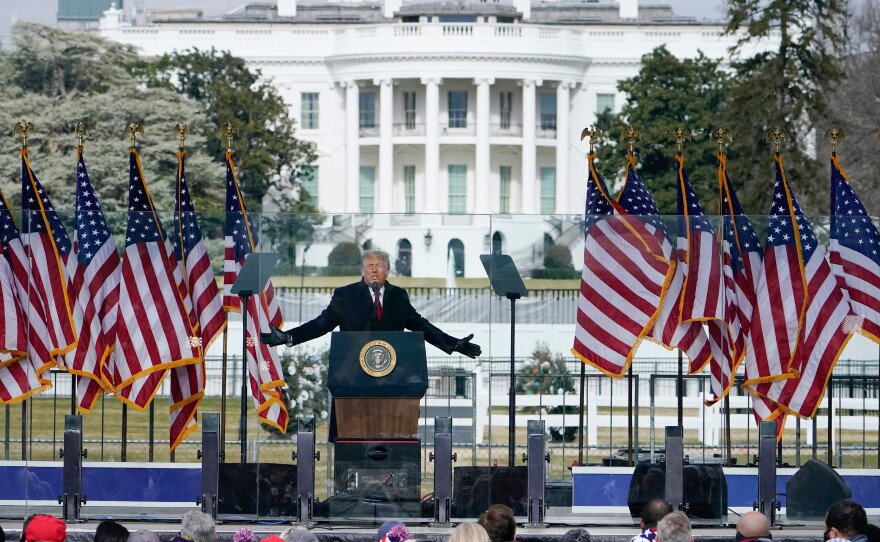
President Trump responded with unusually direct criticism of the pope, questioning his leadership and labeling him as politically biased. The remarks were delivered through both social media and public statements, signaling a strong disagreement with the Vatican’s position on the Iran conflict.
Trump defended his administration’s actions as aligned with national interests and electoral mandates, while also framing the pope’s perspective as out of step with security priorities. His comments extended beyond foreign policy, touching on broader ideological differences.
Analysis of U.S. foreign policy strategies and military engagement can be found through resources such as https://www.state.gov, which outlines official positions and diplomatic initiatives.
The public nature of the exchange marks a departure from traditional interactions between U.S. presidents and the papacy, which have historically maintained a level of diplomatic caution even amid disagreement.
Broader Implications for Global Diplomacy and Religion
The confrontation between Pope Leo XIV and President Trump reflects deeper tensions between moral authority and political power in times of conflict. While the Vatican continues to advocate for multilateral dialogue and peaceful solutions, political leaders often face pressure to prioritize national security and strategic interests.
Faith-based perspectives on war and peace remain influential in shaping public opinion and ethical debates. Organizations focused on humanitarian issues, such as those highlighted on https://www.icrc.org, continue to stress the human cost of armed conflict and the importance of protecting civilians.
At the same time, the intersection of religion and politics is becoming more pronounced, particularly when leaders invoke spiritual justification for military actions. This dynamic adds complexity to international relations and raises questions about the role of religious voices in global decision-making.
As diplomatic negotiations continue and tensions persist, the exchange between Pope Leo XIV and President Trump underscores a fundamental divide in how conflict is interpreted and addressed—one rooted in differing visions of power, responsibility, and the path toward peace.