Legal Disputes Escalate Over Trump’s Kennedy Center Renovation and Governance Overhaul
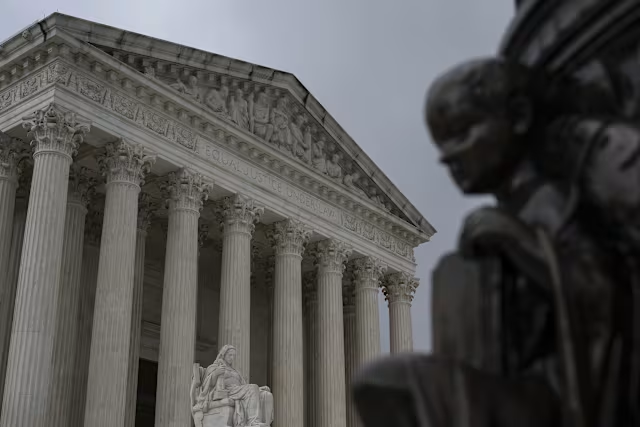
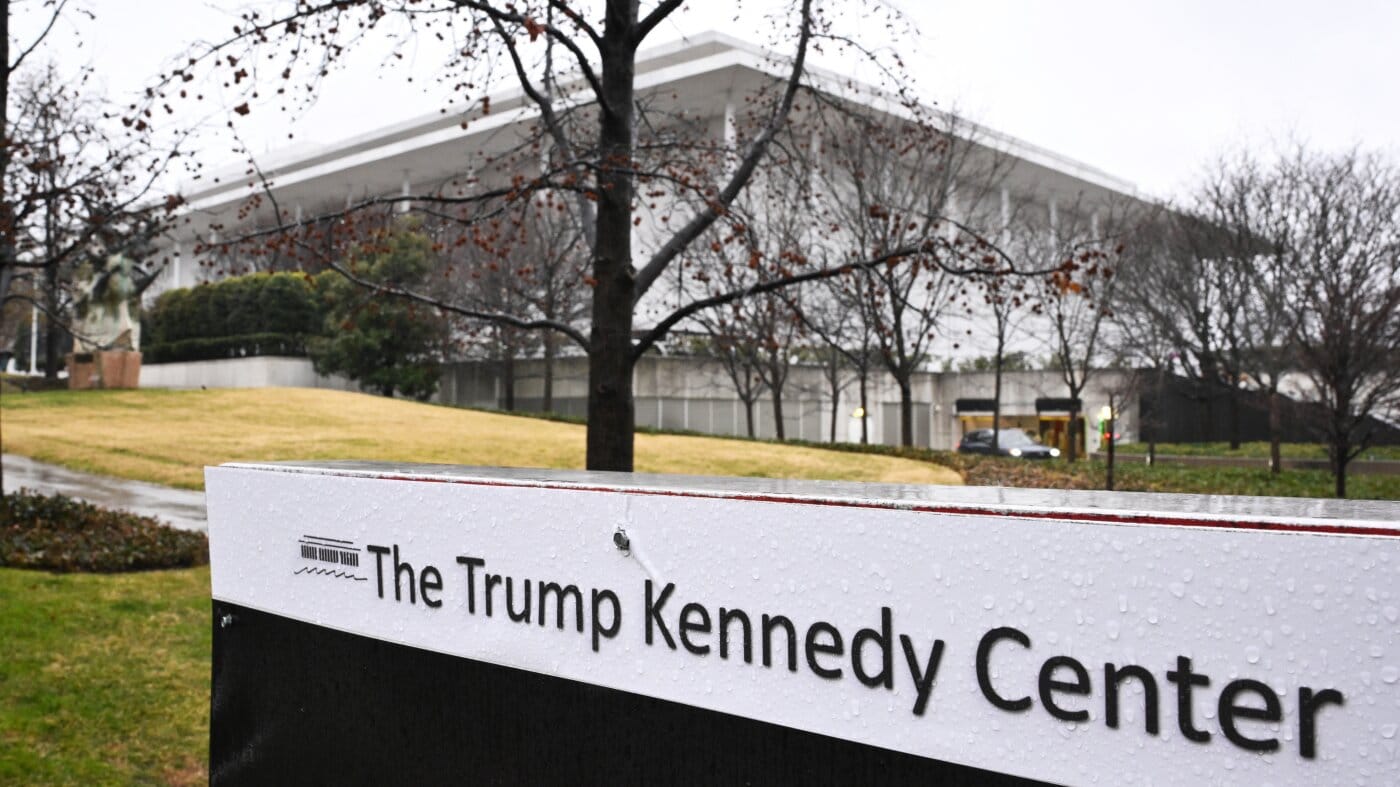
The future of the John F. Kennedy Center for the Performing Arts has become the center of a growing legal and political battle, as multiple lawsuits challenge both the scope of proposed renovations and recent governance changes tied to President Donald Trump. The disputes highlight broader tensions over federal authority, historic preservation, and the management of one of the nation’s most symbolic cultural institutions.
Two separate legal actions, argued in federal court in Washington, D.C., reflect increasing scrutiny over decisions that could reshape the Center’s physical structure and institutional identity. At the core of both cases is whether proper legal procedures have been followed and whether Congress retains oversight over major changes to a federally funded landmark.
Governance Changes and Legal Challenges Intensify
The controversy follows a series of sweeping leadership changes implemented early in Trump’s second term. The dismissal of existing leadership and removal of previously appointed board members marked a significant shift in control. New appointees later voted to install Trump as chair of the board, a move that quickly drew criticism from lawmakers and cultural organizations.
One of the lawsuits, led by Representative Joyce Beatty, seeks to remove Trump’s name from the institution, arguing that such a move conflicts with statutory limitations governing the memorial nature of the Center. The legal argument focuses on whether adding new designations violates provisions established to preserve the Center as a tribute to President John F. Kennedy.
At the same time, a coalition of preservation and architectural organizations—including groups connected to institutions like the https://www.aia.org and the https://savingplaces.org—is challenging the planned closure of the building. Their argument centers on the absence of a detailed renovation plan submitted to Congress for approval, which they claim is required given the scope and funding of the project.
These legal disputes are unfolding within the broader framework of federal oversight, raising questions about executive authority and the role of Congress in managing nationally significant cultural sites. Additional institutional context can be explored through the official Kennedy Center platform at https://www.kennedy-center.org.
Renovation Plans Raise Questions Over Scope and Transparency
The renovation project itself is backed by $257 million in federal funding approved for capital repairs, restoration, maintenance backlog, and security upgrades. According to testimony presented during the hearings, the building faces substantial infrastructure challenges, including water damage, aging electrical systems, and structural deterioration.
Officials overseeing operations have described these issues as urgent safety concerns, justifying the need for a temporary closure to complete repairs within a defined timeline. The funding allocated for the project must be utilized by 2029, creating additional pressure to move forward efficiently.
However, attorneys representing the plaintiffs argue that the necessity of repairs does not override legal requirements for transparency and congressional oversight. They emphasize that previous maintenance and upgrades were conducted without closing the facility entirely, suggesting that alternative approaches could be considered.
The debate has also been shaped by broader concerns about precedent. Legal arguments referenced past federal renovation controversies, pointing to fears that initial assurances about limited changes could evolve into more extensive alterations without proper authorization. This has intensified calls for clearer documentation and formal approval processes.
Cultural and Structural Changes Fuel Ongoing Debate
Beyond the legal and procedural issues, visible changes to the Kennedy Center have already sparked public debate. Modifications to the building’s appearance and surrounding landscape have been cited as evidence that the project may extend beyond routine repairs.
These include the addition of Trump’s name to the building’s facade, alterations to architectural elements such as column finishes, and the removal of landscaping features along the Potomac River. Critics argue that these changes risk undermining the historical and symbolic integrity of the site.
At the same time, differing descriptions of the project’s scope have added to the uncertainty. While some officials characterize the work as strictly restorative, Trump has publicly described a broader transformation into a large-scale entertainment complex designed to enhance the venue’s appeal for future generations.
This divergence has become a central point of contention in court, where attorneys are attempting to determine whether the project aligns with its stated purpose or represents a more significant reimagining of the institution.
For additional context on federal arts funding and cultural policy, reference materials are available through the https://www.arts.gov, which outlines national priorities and regulatory frameworks affecting institutions like the Kennedy Center.
As the legal proceedings continue, the outcome of these cases could have lasting implications not only for the Kennedy Center itself but also for how federally supported cultural landmarks are governed, preserved, and transformed in the years ahead.