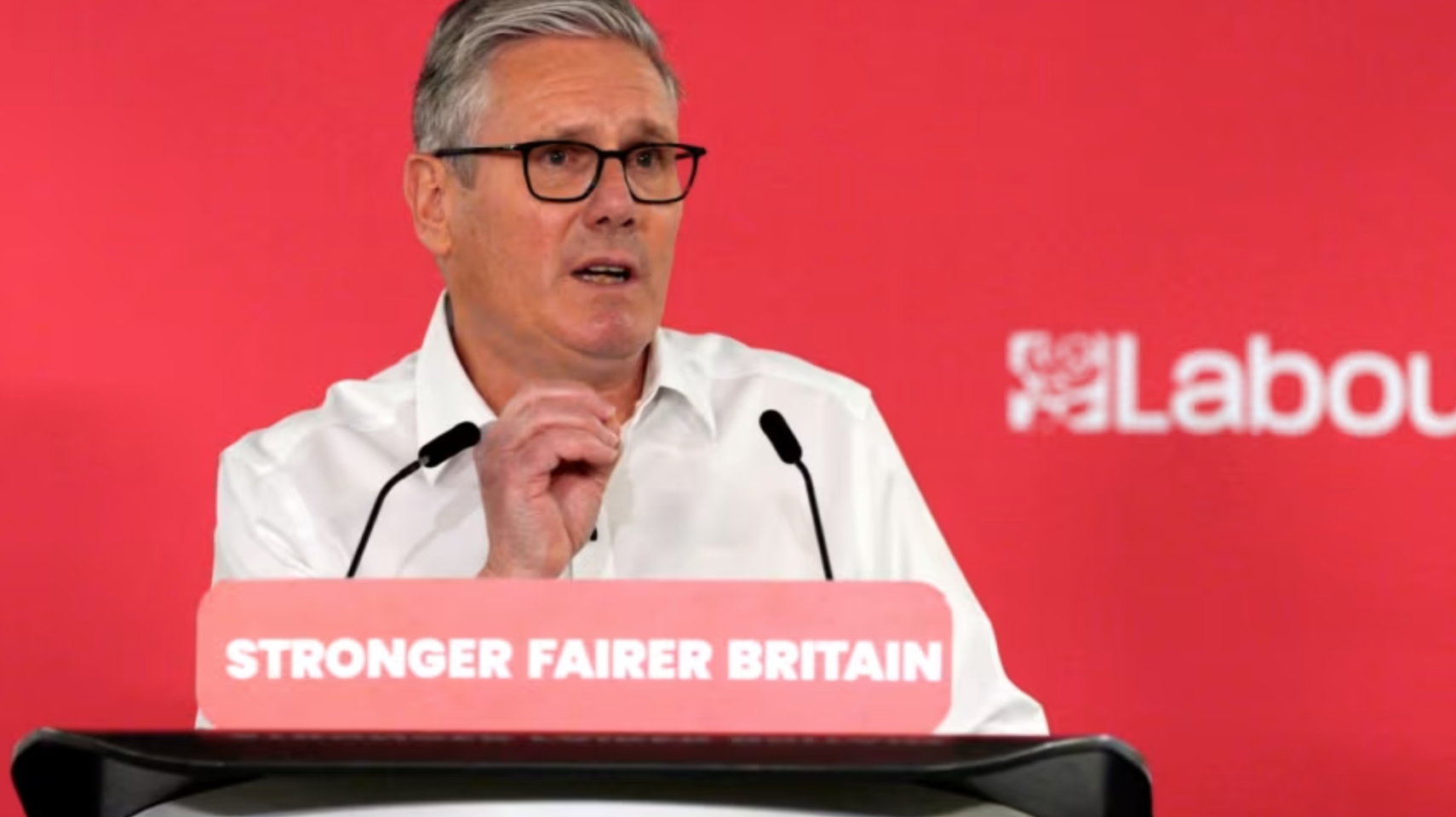
British Prime Minister Keir Starmer is confronting the most serious political crisis of his leadership. This comes after heavy electoral losses sparked a growing rebellion within the Labour Party. Dozens of lawmakers are now openly urging him to resign.
The turmoil follows devastating local election results across England, Wales and Scotland. These results sharply weakened Labour’s political standing despite the party’s sweeping national victory in 2024. Starmer attempted to steady his government with a public appeal for unity and renewal. He warned that internal conflict could drag Britain back into the political instability that defined the final years of Conservative rule.
However, his message appears to have done little to calm dissent within his own ranks. More than 70 Labour Members of Parliament have reportedly demanded either his immediate resignation or a clear timeline for his departure. Meanwhile, several junior government officials have stepped down from their posts in protest.
The growing unrest has intensified scrutiny on the future of the Labour Party. The party now faces the possibility of another leadership battle at a time of mounting economic and political pressure across the United Kingdom.
Election Losses Deepen Pressure on Starmer
Labour’s poor performance in local elections became a turning point for many lawmakers. These lawmakers had already expressed concerns about Starmer’s political strategy and public image. The party lost more than 1,400 council seats in England. It also suffered a major setback in Wales, where Labour had long maintained political dominance.
Critics inside the party argue that voters have become increasingly frustrated with the government’s handling of immigration, economic reform and public spending. Others accuse Starmer of failing to articulate a compelling long-term vision. They say he has not energized both progressive supporters and moderate voters.
The backlash has exposed divisions between Labour’s centrist leadership and members demanding a more ambitious policy agenda. Several MPs have publicly questioned whether Starmer can lead the party successfully into the next general election expected before the summer of 2029.
Political analysts say Labour lawmakers are particularly worried about the rapid growth of opposition parties on both the left and right. Reform UK, led by Nigel Farage, gained momentum during the recent elections. Additionally, dissatisfaction among younger progressive voters has also become increasingly visible.
Debate surrounding Britain’s future relationship with Europe has further complicated Starmer’s position. During a recent speech, he pledged to improve cooperation with European partners following years of tensions linked to Brexit. Critics complained the proposals lacked detail and urgency.
Observers following developments through the UK Parliament note that Labour’s internal divisions now threaten to overshadow the government’s legislative agenda.
Labour Lawmakers Debate Leadership Challenge
Unlike the Conservative Party, Labour has historically avoided directly forcing sitting prime ministers from office. Yet frustration inside the party has reached levels not seen in years. Some lawmakers are now openly discussing mechanisms to trigger a formal leadership contest.
Under Labour rules, opponents would need support from 81 MPs to initiate a leadership challenge. While no rival has officially launched a campaign, several high-profile figures are being discussed as possible successors. They may emerge if Starmer’s position continues to weaken.
Among the names attracting attention is Angela Rayner, who remains influential despite previous controversy surrounding tax-related issues tied to property declarations. Although she has not announced plans to challenge Starmer, her recent statements calling for significant political change fueled speculation about growing tensions within the party leadership.
Cabinet divisions are also reportedly emerging behind closed doors. Senior ministers are said to be pressuring Starmer to present a clearer strategy for restoring public confidence and rebuilding Labour’s electoral support.
Political historians point out that British prime ministers have previously recovered from severe midterm election losses. Former Conservative leader Margaret Thatcher and former Labour Prime Minister Tony Blair both endured major local election setbacks before later winning national victories.
Still, many Labour MPs fear current conditions are fundamentally different. Britain continues to face economic uncertainty and public service pressures. Voter fatigue has also grown following years of political instability linked to Brexit, inflation and leadership turnover.
Several analysts referenced studies published by the Institute for Government. These studies have repeatedly highlighted growing public distrust toward major political parties and declining confidence in Westminster leadership.
Britain Faces More Political Uncertainty
The possibility of another leadership contest has raised concerns about renewed instability at a time when Britain is attempting to stabilize its economy and strengthen international partnerships.
Starmer has argued that replacing another prime minister so soon after years of Conservative turmoil would damage the country’s credibility. It would also distract from urgent policy priorities. During recent remarks, he warned against repeating the cycle of rapid leadership changes that characterized previous governments.
Despite those warnings, pressure from within Labour continues to intensify. Lawmakers pushing for change argue that the party risks losing public support if it fails to redefine its political direction before the next election cycle gains momentum.
At the center of the debate is a broader question about Labour’s identity and future priorities. Some MPs want a more aggressive economic agenda focused on public investment and social programs. However, others favor moderate fiscal policies designed to appeal to centrist voters and business leaders.
Britain’s relationship with Europe is also expected to remain a defining issue in the coming months. Starmer has promised closer cooperation with European institutions while avoiding proposals that could reopen divisions surrounding Brexit.
Economic groups monitoring British political stability, including the OECD, have repeatedly warned that prolonged uncertainty inside government can affect investment confidence, trade negotiations and long-term economic planning.
As cabinet ministers prepare for additional meetings in Downing Street, attention is increasingly turning toward whether Starmer can regain authority over his party. Otherwise, Labour may be approaching a full-scale leadership battle.