A niche sport that found its defining moment
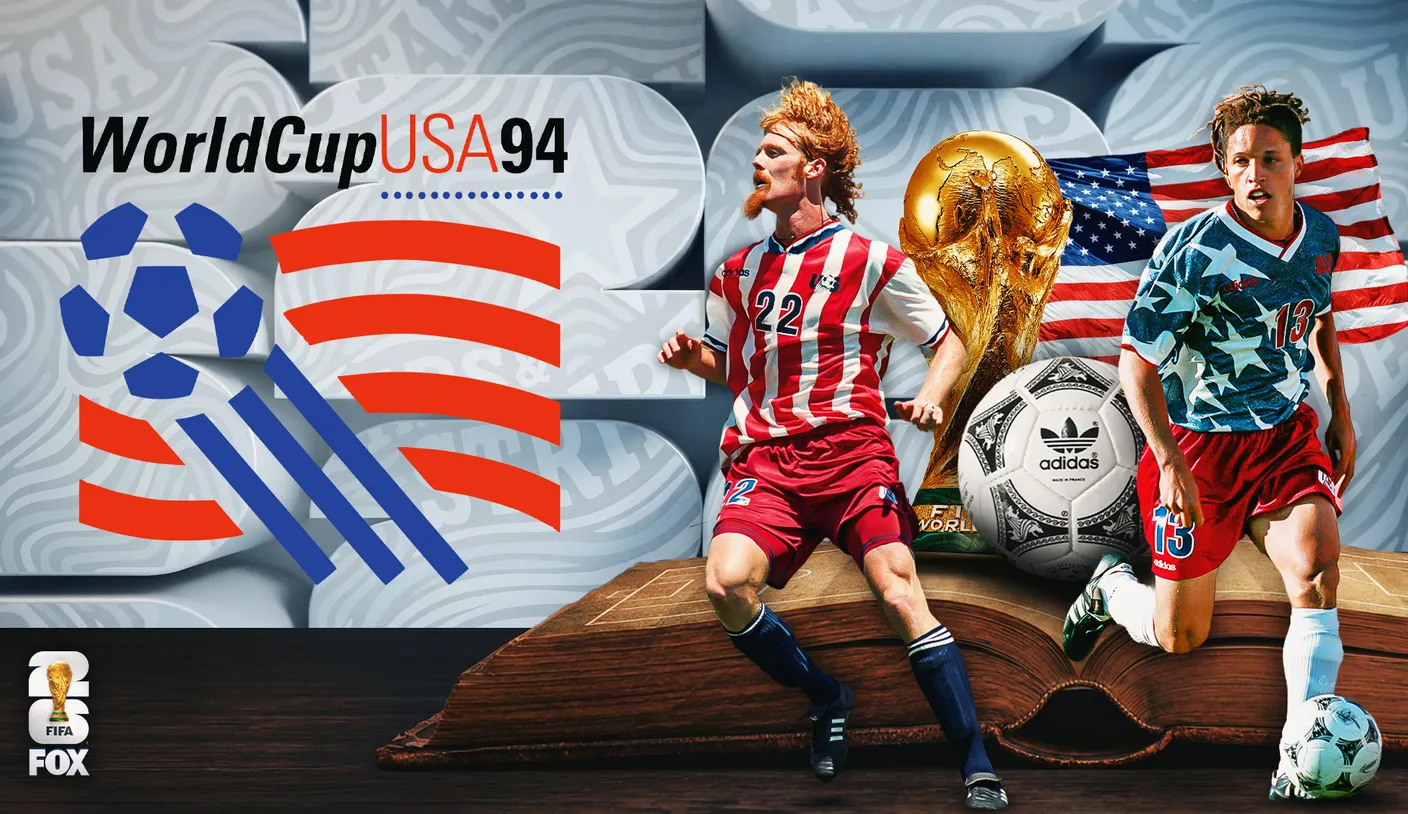
For decades, soccer was widely considered a marginal sport in the United States, overshadowed by American football, baseball, and basketball. That perception began to shift dramatically with the arrival of the 1994 FIFA World Cup.
The tournament opened with a powerful signal of what was to come. At Soldier Field in Chicago, more than 63,000 spectators filled the stadium for the opening match between Germany and Bolivia. Among those in attendance were high-profile figures such as Bill Clinton and Oprah Winfrey.
At the time, there were serious doubts about whether Americans would embrace the tournament. Surveys conducted before the event ranked soccer far below other sports in popularity, highlighting the uncertainty surrounding its potential success.
The unexpected success of USA 1994
Sold-out stadiums and a festival-like atmosphere
Despite early skepticism, the tournament quickly exceeded expectations. Stadiums across the country were consistently filled, attracting not only dedicated fans but also newcomers curious about the global sport.
Players such as Mike Sorber, who represented the U.S. national team during the tournament, later described the atmosphere as electric. Affordable ticket prices, combined with a diverse and international audience, helped turn each match into a large-scale celebration.
The tournament ultimately set a then-record for total attendance, proving that soccer could draw massive crowds in the United States when presented on a global stage.
The beginning of a new soccer era
One of the most important legacies of the 1994 World Cup was the launch of Major League Soccer. Established shortly after the tournament, the league played a crucial role in building a sustainable professional soccer ecosystem in the country.
At the same time, the continued success of the U.S. women’s national team helped further expand interest in the sport, contributing to its long-term growth and cultural acceptance.
Why soccer struggled to gain traction in the U.S.
Cultural perceptions and historical roots
Although cities like St. Louis, Philadelphia, and New York had established soccer traditions dating back to the 19th century, the sport remained closely associated with immigrant communities.
This perception limited its mainstream appeal. Critics often argued that soccer lacked the physical intensity of more established American sports, reinforcing its outsider status.
Failed momentum before the breakthrough
There were earlier attempts to popularize soccer in the U.S., including the arrival of Brazilian legend Pelé in the 1970s. While these moments generated temporary excitement, they failed to create lasting impact.
The collapse of the North American Soccer League in 1984 marked a significant setback, leaving professional soccer without a stable foundation.
Recognizing the untapped potential of the U.S. market, FIFA viewed the 1994 World Cup as a strategic opportunity to establish a foothold in one of the world’s largest sports markets.
A turning point with long-term impact
The success of the 1994 tournament demonstrated that soccer could thrive in the United States under the right conditions. Beyond attendance figures, it reshaped public perception and introduced the sport to a broader audience.
Today, as the 2026 FIFA World Cup approaches, the sport returns to a country where it now enjoys unprecedented popularity and a rapidly growing fanbase.
What was once considered a niche sport has become an integral part of the American sports landscape, with roots firmly planted thanks to the breakthrough moment of 1994.