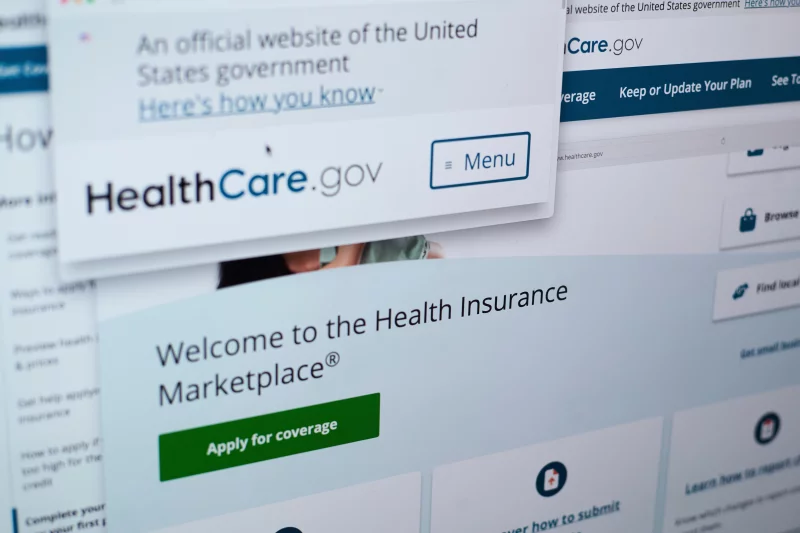
Millions of Americans who rely on Affordable Care Act marketplace plans are expected to lose health coverage this year. This comes as rising premiums and the expiration of enhanced federal subsidies reshape the insurance landscape. New projections indicate the decline in enrollment could be substantially worse than originally anticipated. As a result, there are growing concerns about affordability and long-term access to healthcare across the country. In fact, experts worry that an ACA health coverage decline will only worsen these concerns.
Health policy analysts estimate that as many as five million people may leave ACA marketplace plans during 2026. Initial enrollment numbers already showed weaker participation compared to previous years. However, insurance experts warned that the full impact would likely emerge gradually. This will happen as consumers struggle to keep up with higher monthly costs and increased deductibles, leading to a steep decline in ACA health coverage for many families.
Researchers say the expiration of expanded premium tax credits at the end of last year has become one of the central reasons behind the sharp decline in coverage. Previously, those subsidies had helped millions of Americans lower their monthly insurance payments. This support allowed them to maintain access to healthcare plans. Otherwise, plans would have become too expensive, especially with the ongoing ACA health coverage decline.
According to analysts from KFF, enrollment in ACA marketplace plans could fall from approximately 22 million people in 2025 to roughly 17 million this year. Moreover, experts say many individuals who leave the marketplaces are unlikely to secure alternative coverage. As a result, this increases the risk of a larger uninsured population nationwide, further contributing to the ACA health coverage decline.
Higher Premiums Push Consumers Out of the Market
Insurance costs have risen sharply across many states following the expiration of enhanced federal assistance. Analysts say the increase has affected both monthly premiums and out-of-pocket medical expenses. As a result, this change has created additional financial pressure for middle-income and lower-income households, fueling the ACA health coverage decline this year.
Some consumers have responded by abandoning coverage altogether, while others have downgraded to lower-tier insurance plans that offer reduced monthly premiums but significantly higher deductibles. In many cases, policyholders now face substantially larger healthcare costs. These costs arise before insurance benefits begin covering treatments or doctor visits — a trend linked to the ACA health coverage decline.
Data from the Centers for Medicare & Medicaid Services suggests insurers anticipated much of the enrollment decline and adjusted pricing structures accordingly. Nevertheless, healthcare economists warn that affordability challenges remain severe for many families, especially in light of the ACA health coverage decline faced nationwide. Many families are already dealing with broader inflation and rising living expenses.
Deductibles reportedly increased by an average of nearly $1,000 last year. This marks one of the largest jumps since the Affordable Care Act marketplaces were created. That increase means many consumers who technically remain insured may still postpone medical treatment. This is because of the financial burden associated with using their coverage, and it further demonstrates the ACA health coverage decline.
Healthcare policy specialists note that high deductibles can discourage preventive care, routine checkups and early diagnosis of medical conditions. Delayed treatment often leads to more serious health complications later, increasing both personal financial risk and broader healthcare system costs. All these factors contribute to the ACA health coverage decline that is taking place across the country.
Insurance Companies Prepare for a New Market Reality
Despite concerns about declining enrollment, some analysts believe insurers may have successfully predicted the market changes caused by the subsidy expiration. Insurance companies spent much of the past year adjusting pricing models. They also estimated how many consumers would likely leave the marketplaces. This happened once federal support ended, contributing to the ACA health coverage decline that insurers had anticipated.
Experts say this could help prevent an even larger disruption in the health insurance industry. If insurers accurately forecasted the enrollment decline, the current market shock may stabilize more quickly than originally feared. Still, upcoming rate filings will provide clearer insight into whether companies plan additional premium increases next year, which could further exacerbate the ACA health coverage decline.
Organizations such as the Health Insurance Marketplace continue encouraging consumers to compare available plans carefully, especially as many households reconsider coverage options amid changing costs. Some policyholders may qualify for state-level assistance programs. Others may qualify for alternative coverage categories depending on income and employment circumstances. In light of the ACA health coverage decline, staying informed is increasingly important for consumers.
Healthcare advocates argue that uncertainty surrounding future premium levels could continue discouraging enrollment among younger and healthier individuals, a group considered essential for balancing insurance risk pools. If healthier consumers leave the market at higher rates, insurers could face pressure to raise prices further. This could happen in future years, intensifying the ACA health coverage decline across the population.
Rising Healthcare Costs Increase Financial Risks
Economists warn that losing health insurance can expose households to significant financial vulnerability, particularly in cases involving emergencies, chronic illnesses or unexpected hospitalizations. Even relatively short periods without coverage may lead to substantial medical debt for uninsured patients, especially as the ACA health coverage decline leaves more Americans without protection.
Research from the Commonwealth Fund has consistently shown that uninsured individuals are more likely to delay treatment, skip medications and experience long-term financial hardship after major medical events. Notably, rising premiums combined with higher deductibles may therefore affect both insured and uninsured Americans alike—another aspect of the current ACA health coverage decline.
Policy experts also note that consumers remaining in marketplace plans are not necessarily protected from financial strain. Many families now pay considerably higher monthly premiums while simultaneously facing reduced benefits or larger out-of-pocket expenses before coverage activates. This situation illustrates the ongoing ACA health coverage decline, which has wide-reaching impacts across the marketplace.
Insurance administrators and healthcare economists are now closely watching upcoming filings from insurance companies. They want to determine whether the ACA marketplaces are entering a period of long-term stabilization. Alternatively, additional premium increases could trigger another wave of enrollment declines next year, resulting in a continued ACA health coverage decline if current trends persist.