When Natural Disasters Disrupt Lifelines
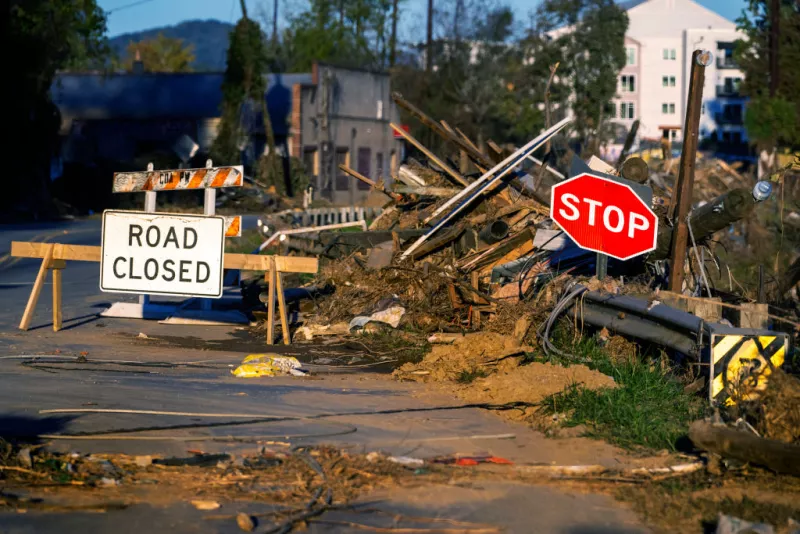
In the aftermath of Hurricane Helene, which struck western North Carolina in late September 2024, entire communities were left without electricity, water, or communication. As a result, roads became impassable and neighborhoods were flooded. Daily routines were abruptly halted. For many residents, the storm represented more than just physical destruction—it created immediate risks for those relying on consistent medical care. In these situations, natural disasters present critical challenges for opioid recovery patients.
Toni Brewer, a resident near Asheville, was among those forced to evacuate. After clearing out her home and driving more than an hour to stay with relatives, she discovered a critical issue. She had only three days’ worth of Suboxone, a medication containing buprenorphine that helps manage opioid cravings. Without continued access, the stability she had maintained for over a year and a half was suddenly at risk.
Medications like buprenorphine are widely recognized in treatment programs supported by institutions such as Substance Abuse and Mental Health Services Administration. These programs emphasize their role in reducing relapse and supporting long-term recovery. However, when disasters interrupt supply chains and communication, access to these treatments can quickly become uncertain. In turn, this impacts natural disasters opioid recovery efforts considerably.
Systemic Barriers Exposed in Emergencies
Healthcare professionals warn that extreme weather events are exposing long-standing weaknesses in how addiction treatment is delivered. Strict regulations, limited distribution channels, and reliance on in-person visits create barriers even under normal circumstances. During emergencies, those barriers can become overwhelming and especially problematic for people experiencing natural disasters while seeking opioid recovery.
Physicians specializing in addiction medicine have highlighted how disrupted infrastructure—closed clinics, overwhelmed pharmacies, and damaged transport routes—can delay or prevent patients from obtaining essential prescriptions. Research into past disasters, including Hurricane Maria and Superstorm Sandy, has shown significant interruptions in treatment access. Sometimes these interruptions affect up to 70% of patients dependent on recovery medications.
The broader opioid crisis, which has resulted in more than $800,000 deaths in the United States since 1999, continues to intersect with these vulnerabilities. Data tracked by organizations like the Centers for Disease Control and Prevention illustrates how external stressors, including displacement and economic instability, can intensify the risk of relapse and overdose. As a result, these factors demonstrate that the intersection between natural disasters and opioid recovery is critical for public health interventions.
Experts are urging policymakers to rethink emergency preparedness strategies. Proposed solutions include allowing extended take-home prescriptions, improving interstate access to medications, and integrating addiction treatment into disaster response systems. Coordination with agencies such as the Federal Emergency Management Agency could ensure that medical needs are addressed alongside immediate rescue and recovery efforts. Clearly, the challenges of natural disasters opioid recovery necessitate innovative emergency responses.
The Human Cost of Interrupted Treatment
For individuals in recovery, even short gaps in medication access can trigger intense cravings and anxiety. Brewer described the fear of returning to a cycle of dependency as overwhelming, recalling how addiction once dominated every aspect of her daily life. This demonstrates the far-reaching impacts of natural disasters on opioid recovery journeys.
Efforts to refill prescriptions during the crisis were complicated by widespread communication outages. Healthcare providers had relocated to areas with internet access, attempting to reach patients remotely. Brewer eventually managed to contact multiple doctors, one of whom authorized a refill. However, finding a pharmacy with available medication required additional travel across state lines.
In some cases, pharmacies limited the quantity of medication dispensed to unfamiliar patients, further complicating access. Pricing also became a barrier. A prescription that would normally be covered locally ended up costing approximately $130, adding financial strain during an already unstable period. Therefore, navigating opioid recovery in the context of natural disasters adds financial and logistical challenges.
Despite these obstacles, Brewer persisted, prioritizing her recovery above all else. Her experience reflects a broader challenge faced by thousands navigating addiction treatment during crises. Initiatives highlighted by platforms like findtreatment.gov aim to connect individuals with available services, but accessibility remains inconsistent when infrastructure collapses.
Healthcare providers continue to advocate for reforms that would allow more flexible, resilient systems—ensuring that individuals in opioid recovery are not left vulnerable when natural disasters strike.