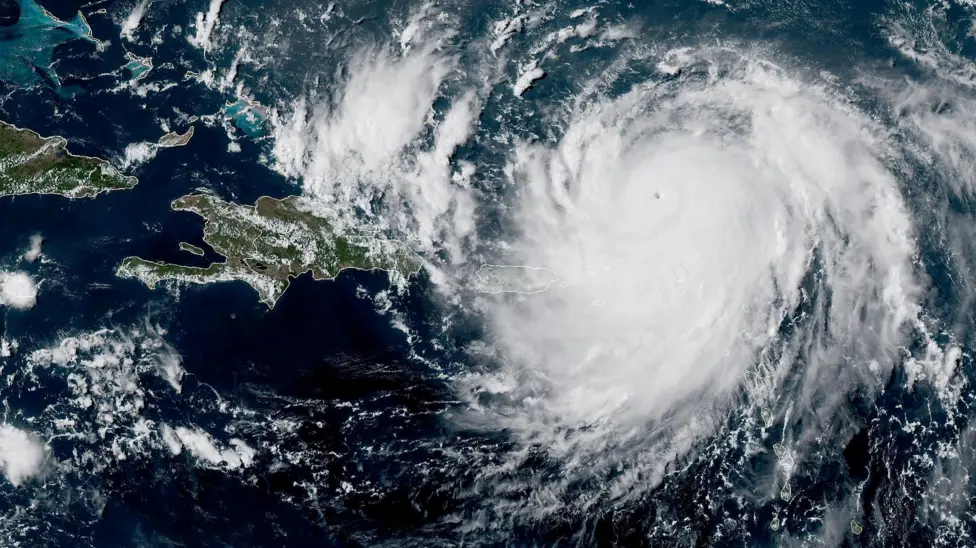
Meteorologists across the United States are forecasting a less active Atlantic hurricane season for 2026. Climate experts point to the growing influence of El Niño as the primary factor expected to suppress storm activity across the basin. While ocean temperatures remain unusually warm, atmospheric conditions linked to El Niño are likely to reduce the number of hurricanes capable of developing into major storms.
According to projections released by the National Oceanic and Atmospheric Administration, there is a 55% probability that the 2026 Atlantic hurricane season will fall below historical averages. Forecasters estimate that between eight and 14 named storms could form during the season. Meanwhile, three to six hurricanes are expected overall. Of those, only one to three are projected to intensify into major hurricanes classified as Category 3 or higher.
The Atlantic hurricane season officially runs from June 1 through November 30. In a typical year, meteorologists would expect approximately 14 named storms, seven hurricanes, and three major hurricanes. Despite the quieter outlook, experts continue to warn that even a relatively calm season can still produce catastrophic weather events capable of causing severe economic and human losses.
El Niño Expected to Limit Hurricane Formation
Scientists say the key reason behind the weaker forecast is the increasing likelihood of a strong El Niño event developing across the Pacific Ocean. El Niño occurs when trade winds weaken or reverse direction. As a result, warm water accumulates near the western coasts of the Americas. That shift can dramatically alter weather patterns around the globe. For example, it affects atmospheric conditions over the Atlantic Ocean.
One of the most important effects associated with El Niño is increased vertical wind shear. These strong upper-level winds can disrupt the structure of tropical systems before they have the opportunity to organize into powerful hurricanes. Even when sea surface temperatures remain favorable for storm formation, excessive wind shear can effectively tear developing storms apart.
Researchers from institutions including Colorado State University have issued similar seasonal outlooks, also predicting below-average activity for 2026. Their projections suggest around 13 named storms, six hurricanes, and two major hurricanes throughout the season.
Warm Atlantic waters remain a concern, however. Hurricanes derive energy from heat stored in ocean surfaces, and elevated temperatures can still support rapid storm intensification under the right atmospheric conditions. This creates a delicate balance between competing climate factors. Consequently, it makes long-range forecasting especially challenging.
Forecasters emphasize that hurricane predictions are based on probabilities rather than certainties. Seasonal forecasts help emergency planners, insurers, shipping industries, and coastal communities prepare for potential risks. However, they cannot determine where or when individual storms will form.
Forecasters Warn One Powerful Storm Can Change Everything
Weather officials continue to stress that a quieter season does not eliminate the threat of destructive hurricanes. A single major storm making landfall in a populated coastal region can still define an entire season financially and historically.
Experts frequently point to past examples such as Hurricane Andrew in 1992 and Hurricane Betsy in 1965, both of which developed during below-average seasons but caused enormous devastation. Hurricanes are capable of producing catastrophic storm surges, destructive winds, inland flooding, and widespread infrastructure damage.
The National Weather Service has warned that uncertainty remains high regarding how atmospheric conditions may evolve over the coming months. Hurricane activity often fluctuates rapidly depending on ocean temperatures, wind patterns, and moisture levels across the Atlantic basin.
Last year’s season highlighted just how unpredictable hurricane forecasting can be. Although 2025 ultimately produced fewer storms than originally projected, several hurricanes intensified rapidly and became exceptionally destructive. Hurricane Melissa, one of the strongest storms of the year, struck Jamaica as a Category 5 hurricane. It caused damage estimated between $6 billion and $7 billion across parts of the Caribbean.
Other major systems including Erin, Humberto, and Gabrielle also intensified into powerful hurricanes despite periods of unusually quiet activity during the traditional peak months of the season. Meteorologists noted that no named storms formed between late August and mid-September in 2025. This marked one of the longest pauses in activity recorded during the heart of hurricane season.
Coastal Communities Continue Preparing for Extreme Weather
Emergency management agencies throughout the Atlantic and Gulf coasts are continuing preparation efforts despite the lower forecast. Officials say residents should not allow the below-average outlook to create a false sense of security, especially in areas vulnerable to flooding and storm surge.
Organizations such as the American Red Cross encourage households to maintain emergency kits, evacuation plans, backup communication methods, and updated insurance coverage before the season intensifies. Coastal infrastructure teams are also reviewing flood barriers, emergency shelters, and disaster response systems ahead of peak hurricane months.
Meteorologists expect the highest storm activity to occur during September, which historically remains the busiest period for Atlantic hurricane development. Advances in satellite monitoring, computer modeling, and atmospheric analysis have improved forecasting accuracy over recent decades. Yet hurricane behavior continues to surprise experts due to the complexity of climate interactions.
Climate researchers say the 2026 season may ultimately become another example of how difficult it remains to predict tropical cyclone activity months in advance. Atmospheric shifts associated with El Niño could weaken unexpectedly. Meanwhile, warmer Atlantic waters may provide additional fuel for isolated but intense storm systems later in the season.
As forecasting agencies continue updating seasonal outlooks throughout the summer and fall, emergency officials remain focused on readiness rather than storm totals. They know that even a single hurricane can produce lasting consequences across coastal communities.