

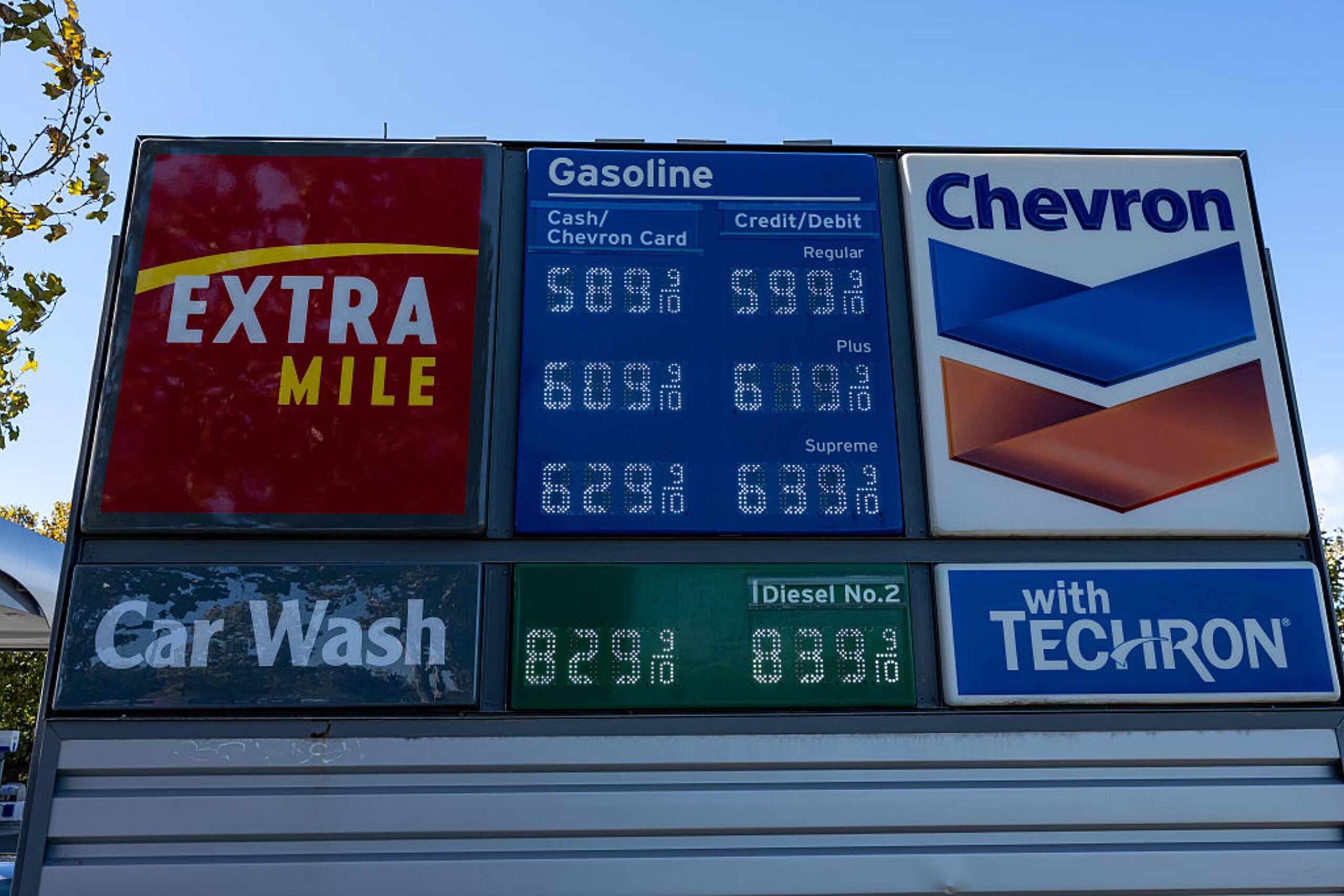
Diesel prices in the United States have climbed above $6 per gallon, reaching another record and adding pressure to transportation companies, businesses and consumers.
The national average reached $6.05 per gallon on Friday, up from $5.85 the previous week and significantly higher than the $3.70 average recorded at the same time last year, according to AAA.
The sharp increase is adding to concerns about transportation costs and the potential impact on prices for everyday products.
Rising Fuel Costs Put Pressure on Freight Networks
Diesel plays a critical role in the U.S. transportation system. Trucks and other commercial vehicles rely heavily on the fuel to move food, consumer products, industrial materials and packages across the country.
As diesel becomes more expensive, trucking and delivery companies face higher operating costs. Those expenses can eventually make their way through the supply chain and reach consumers.
For businesses that depend on frequent deliveries, the increase can create additional pressure at a time when many companies are already dealing with elevated operating expenses.
Consumers Could Feel the Impact
Higher transportation costs can affect much more than what drivers pay at the pump.
Companies may respond to rising fuel expenses by increasing delivery charges, adding fuel surcharges or raising prices on products and services.
Some businesses have already begun passing higher costs directly to customers, including through additional fees on online purchases and mailed packages.
That means consumers could encounter higher costs even when they are not purchasing fuel themselves.
Global Fuel Disruptions Add to the Pressure
The latest increase in U.S. diesel prices comes amid disruptions to global fuel markets connected to the conflict involving the United States and Iran.
Because petroleum markets operate globally, disruptions to production, transportation or supply routes can quickly influence fuel prices in the United States and other countries.
Diesel prices are particularly important because of the fuel’s central role in commercial transportation and logistics.
Trucking Industry Faces a Difficult Environment
The trucking industry is among the sectors most directly exposed to higher diesel prices.
Fuel represents a major operating expense for freight carriers, meaning a sustained increase can put pressure on profit margins and potentially lead companies to adjust their rates.
For smaller carriers, which may have less financial flexibility than large transportation companies, rapidly rising fuel costs can be especially difficult to absorb.
A Potential Ripple Effect Across the Economy
The record diesel price highlights how developments in global energy markets can affect everyday economic activity.
From grocery deliveries and online shopping to construction materials and industrial shipments, countless products depend on diesel-powered transportation at some point in the supply chain.
If elevated prices persist, businesses could increasingly pass transportation costs on to consumers.
For now, the $6-per-gallon threshold represents another significant milestone in the latest surge in U.S. diesel prices — and a warning that higher fuel costs could continue to ripple through the broader economy.


