US tariff policy entered a new phase after Washington introduced updated import duties covering a broad group of international trading partners. These measures affect a substantial share of products entering the United States. Additionally, they are expected to influence global supply chains, trade negotiations and business planning across multiple industries.
The revised tariff framework follows months of trade reviews and reflects the administration’s broader strategy of using import duties as a tool. This aims to address trade practices, strengthen domestic manufacturing and encourage changes in international commercial policies. While many importers had anticipated adjustments, businesses are now evaluating how the new rates may influence sourcing decisions. Moreover, companies are considering the impact on long-term investment plans.
Information on U.S. trade measures and enforcement is available through the United States Trade Representative. This agency publishes official trade policies and related announcements.
US Tariff Policy Signals a New Direction for International Trade
The updated measures apply to numerous trading partners while maintaining exemptions for selected products considered strategically important or difficult to source domestically. Economists note that tariff policy has become an increasingly significant component of broader economic and industrial strategy. In addition, it now extends beyond traditional customs administration.
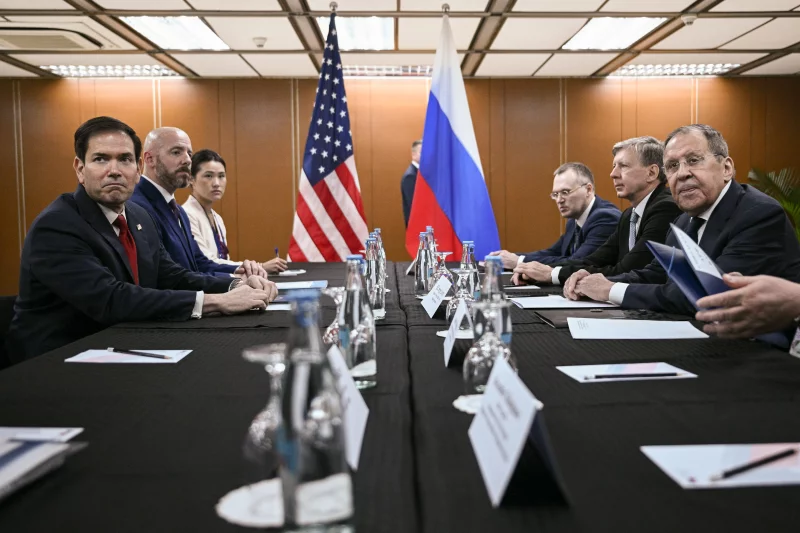
Governments affected by the new duties are reviewing the potential impact on exporters and manufacturers. At the same time, they are continuing diplomatic discussions with U.S. officials. Several countries have indicated they prefer negotiations over immediate retaliatory measures. Furthermore, they emphasize the importance of preserving stable commercial relationships.
Background information on international trade rules is available through the Trade Organization. The WTO provides resources on global trade agreements and dispute procedures.
Businesses Evaluate Supply Chains and Import Costs
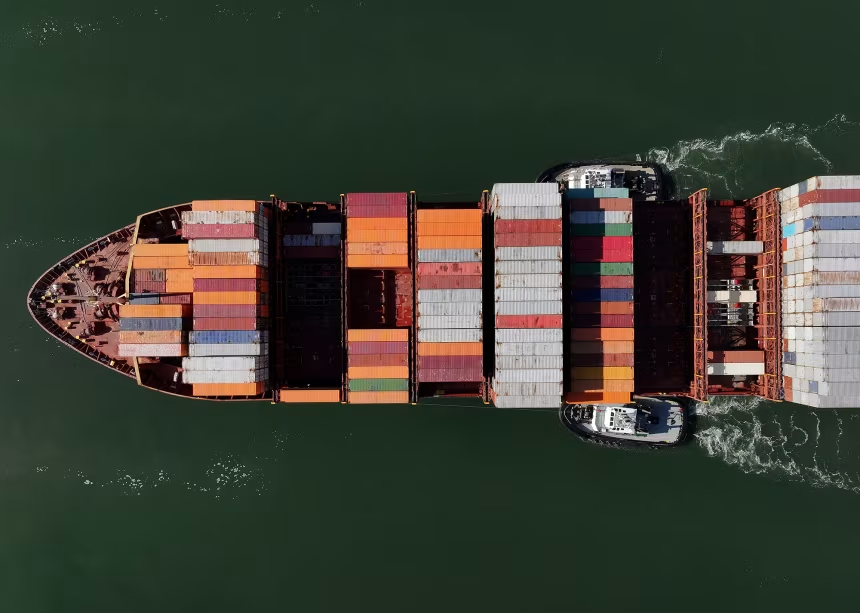
Manufacturers, retailers and logistics providers are assessing how the revised tariff schedule could affect purchasing decisions during the coming months. Companies with diversified supplier networks may have greater flexibility. However, businesses dependent on imports from affected markets could face higher operating costs if alternative sourcing options remain limited.
Trade specialists say many organizations are focusing on contract negotiations, inventory management and supplier diversification to reduce uncertainty. Financial markets are also monitoring whether additional policy actions could reshape international commerce. Furthermore, analysts are watching if policy actions influence inflation expectations over the medium term.
Economic analysis and trade statistics are available through the Bureau of Economic Analysis. The BEA publishes data on international trade and economic performance.
Global Markets Continue Monitoring Future Trade Decisions
The latest tariff actions highlight the growing role of trade policy in shaping investment decisions and cross-border commerce. Analysts expect businesses to continue monitoring regulatory developments. Meanwhile, governments will pursue negotiations aimed at reducing uncertainty and maintaining access to international markets.
Future policy adjustments could influence manufacturing strategies, capital investment and supply chain planning across multiple sectors. Investors and exporters alike are expected to remain focused on upcoming regulatory announcements as international trade relationships continue evolving.
Additional economic research on international trade and competitiveness is available for Economic Co-operation and Development. The OECD publishes analysis on global economic trends and trade policy.