
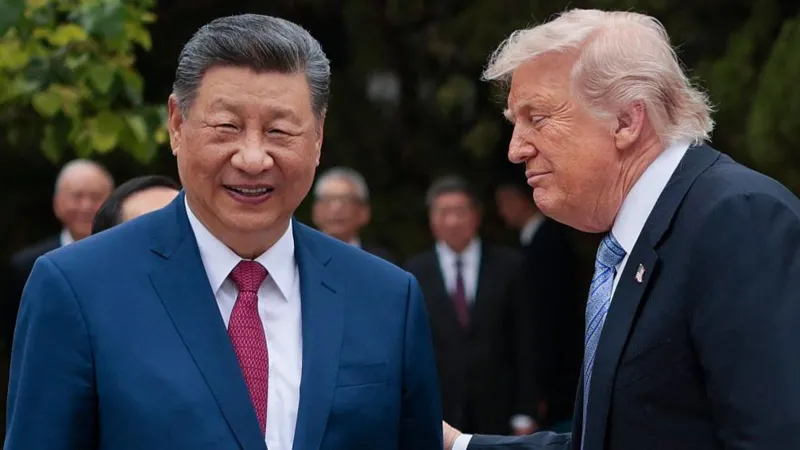
President Donald Trump concluded his highly anticipated visit to China after two days of meetings with Chinese President Xi Jinping in Beijing. He described the discussions as “very successful” while signaling optimism about future economic cooperation between the world’s two largest economies. Despite the upbeat language from both leaders, neither Washington nor Beijing formally confirmed any large-scale trade agreements or binding commercial deals following the summit.
The visit marked the first trip by a sitting U.S. president to China in nearly a decade and came at a critical moment for global markets, supply chains, and geopolitical stability. The summit unfolded against a backdrop of tensions involving tariffs, technology restrictions, Taiwan, and instability in the Middle East. Even so, both governments emphasized the importance of maintaining communication and preventing further deterioration in bilateral relations.
Trump traveled to Beijing alongside senior administration officials and executives from major American corporations involved in aviation, agriculture, artificial intelligence, and electric vehicle manufacturing. The presence of prominent business leaders underscored the economic significance of the trip. In addition, there was pressure from corporations eager to stabilize commercial ties between the two nations.
Trade and Technology Dominate the Agenda
Although no comprehensive agreements were officially unveiled, Trump repeatedly claimed that progress had been made on several commercial issues. During remarks aboard Air Force One, he suggested China was prepared to significantly expand purchases of American products, including aircraft and agricultural goods.
Trump stated that China could potentially purchase hundreds of aircraft from Boeing, a move that would represent one of the company’s largest opportunities in the Chinese market in years. However, Chinese officials stopped short of publicly confirming any finalized aviation agreements. This left uncertainty over whether negotiations had advanced beyond preliminary discussions.
Agriculture also emerged as a major topic during the summit. U.S. officials indicated that China may increase imports of soybeans and other American farm products, providing potential relief for agricultural producers affected by previous tariff disputes. The discussions reflected continued efforts to reduce trade tensions that intensified during earlier rounds of economic retaliation between both countries.
Technology cooperation and restrictions were another central focus. Executives connected to the artificial intelligence and semiconductor industries played a visible role during the trip. As a result, speculation grew that access to advanced AI technologies had become a priority issue. Companies involved in AI chip development and electric vehicles remain deeply tied to the Chinese market despite ongoing export controls imposed by Washington.
During the meetings, both governments also explored broader economic coordination mechanisms. According to the White House, the leaders discussed creating a framework that could manage future commercial disagreements without immediately escalating tariff conflicts. The discussions reflected growing concerns among global investors about instability in international trade and manufacturing.
China meanwhile continued advocating for broader access to advanced technology while criticizing policies that limit Chinese companies’ access to high-end semiconductors and AI systems. Analysts believe these disagreements remain among the most difficult obstacles in the bilateral relationship.
The summit also highlighted the growing importance of artificial intelligence in global economic competition. Executives and policymakers increasingly view AI development as critical to industrial leadership, military modernization, and long-term economic growth. Organizations such as the World Economic Forum have repeatedly warned that AI competition could reshape global trade dynamics and geopolitical alliances over the next decade.
Taiwan and Security Issues Remain Sensitive
While trade discussions attracted most public attention, Taiwan remained one of the most delicate subjects raised during the summit. Chinese officials emphasized that the self-governed island continues to represent Beijing’s most sensitive national security issue and warned against deeper U.S. involvement with Taipei.
According to Chinese government summaries of the meeting, Xi stressed that mishandling the Taiwan issue could seriously damage relations between both countries. Beijing considers Taiwan part of its territory, while the United States maintains unofficial relations with the island and continues supplying defensive military equipment.
The issue has become increasingly complicated because Taiwan plays a dominant role in the global semiconductor industry. Many advanced technology companies depend heavily on Taiwanese chip production, making regional stability economically critical for manufacturers worldwide.
The discussions also touched on military tensions and broader strategic stability in Asia. Both sides appeared eager to avoid direct confrontation while simultaneously protecting their national interests. Diplomatic observers noted that the summit’s calm tone contrasted sharply with previous periods of escalating rhetoric between Washington and Beijing.
In addition to Taiwan, the two presidents addressed instability in the Middle East, particularly concerns involving the Strait of Hormuz and disruptions to global energy markets. Trump indicated he hoped China could use its influence to encourage regional stability and protect vital shipping routes that are essential to international oil supplies.
Chinese officials acknowledged discussions involving Middle Eastern security but provided fewer details than their American counterparts. Beijing has traditionally favored more cautious public positioning on international conflicts, especially when balancing relationships with multiple regional powers.
The summit also reflected broader concerns about global economic uncertainty. Institutions including the International Monetary Fund have warned that prolonged geopolitical tensions between major economies could slow global growth, disrupt supply chains, and increase inflationary pressures across international markets.
Symbolism, Diplomacy and Unanswered Questions
The Beijing visit featured extensive ceremonial displays aimed at projecting stability and mutual respect between the two powers. Trump participated in a formal state banquet, military honors, and high-level meetings with Chinese leadership inside exclusive government compounds rarely opened to foreign dignitaries.
Both leaders publicly praised the atmosphere of the summit. Xi described the meetings as historic and emphasized the importance of long-term cooperation between China and the United States. Trump similarly highlighted the positive tone of the conversations while suggesting that additional negotiations would continue in the months ahead.
Chinese Foreign Minister Wang Yi later confirmed that Xi is expected to visit Washington later this year for another summit. This could potentially create an opportunity for both sides to finalize agreements that remained unresolved in Beijing.
Still, major questions remain unanswered. Neither government clarified the future of tariff policies currently paused under an existing trade truce. Moreover, officials provided limited detail about implementation timelines for any proposed economic cooperation.
The uncertainty surrounding tariffs, export restrictions, and market access continues to weigh heavily on multinational corporations operating across both countries. American companies seeking expansion in China still face regulatory challenges. Meanwhile, Chinese firms remain concerned about U.S. restrictions tied to national security and advanced technologies.
At the same time, business groups continue urging both governments to maintain stable communication channels. Organizations such as the U.S. Chamber of Commerce have repeatedly argued that predictable trade policies are essential for investment planning and long-term economic growth.
Although the summit ended without major signed agreements, analysts noted that the continuation of direct dialogue itself represented an important development at a time of rising geopolitical tension.