
Navy Secretary Exit Deepens Pentagon Leadership Shakeup Amid Military Operations, Iran Tensions, and Strategic Defense Realignment
The abrupt departure of the U.S. Navy’s top civilian leader has intensified an ongoing wave of leadership changes within the Pentagon, raising new questions about stability, strategic direction, and decision-making at the highest levels of defense. The announcement, made without explanation, comes at a critical moment marked by active naval operations, geopolitical tensions, and shifting priorities within the military establishment.
Leadership Changes Accelerate Across the Pentagon
The resignation marks a significant milestone as the first departure of a military service secretary during the current presidential term, but it is far from an isolated event. In recent months, multiple high-ranking defense officials—including senior generals and admirals—have either stepped down or been removed, signaling a broader restructuring effort within the Department of Defense.
These leadership changes reflect an aggressive approach to reshaping military command and administrative structures. The pattern suggests a focus on aligning leadership more closely with evolving defense priorities, operational strategies, and political directives.
The speed and frequency of these decisions have drawn attention from defense analysts, who note that rapid turnover at the top can introduce both opportunities for reform and risks related to continuity and institutional knowledge.
For more on U.S. defense structure and leadership roles, visit https://www.defense.gov and https://www.rand.org
Transition Occurs Amid Active Military Operations
The timing of the leadership transition is particularly notable given the current operational tempo of the U.S. Navy. Naval forces are actively engaged in multiple regions, including the Middle East, where maritime operations have intensified amid ongoing tensions and fragile ceasefire conditions.
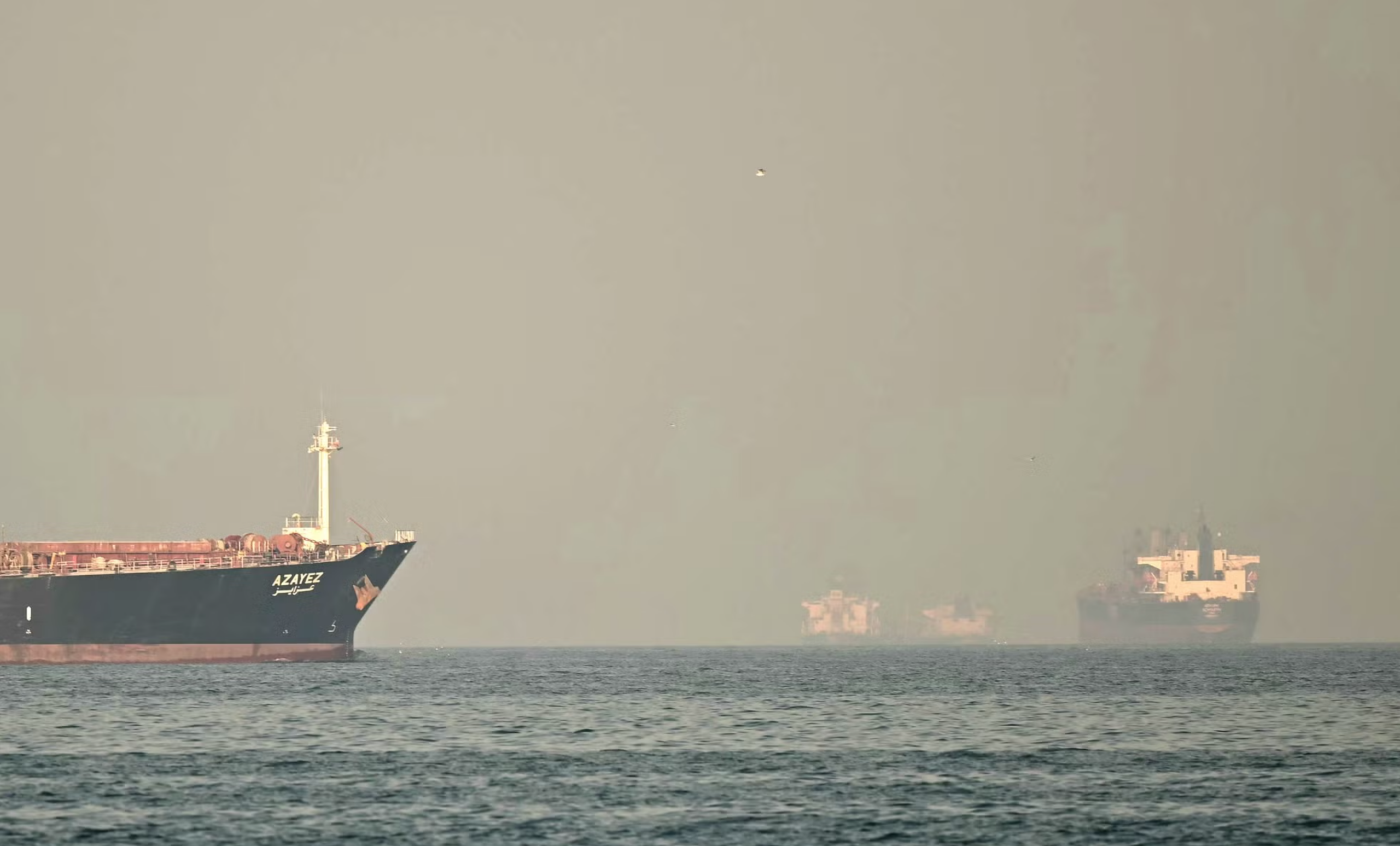
In addition to deployments involving aircraft carriers and strategic assets, naval forces have been involved in maritime enforcement actions targeting vessels linked to adversarial networks. These operations require high levels of coordination, long-term planning, and clear command structures—factors that can be affected by sudden leadership changes.
Beyond the Middle East, the Navy maintains a presence in other strategic areas, including counter-narcotics operations and regional security initiatives. This global footprint underscores the importance of stable leadership during periods of heightened operational demand.
Insights into global naval strategy and maritime security can be explored at https://www.csis.org and https://www.navy.mil
New Acting Leadership Signals Policy Continuity and Shift
The appointment of an acting Navy secretary introduces a new phase in the department’s leadership, with expectations that policy direction will both continue and evolve. The incoming leader brings a combination of military experience and political visibility, reflecting a broader trend of appointing figures with diverse backgrounds to key defense roles.
This transition may influence priorities related to force structure, recruitment, and internal policies. Recent debates within the military have centered on issues such as personnel standards, organizational culture, and strategic readiness, all of which could be revisited under new leadership.
At the same time, the broader pattern of leadership changes suggests an ongoing effort to redefine the military’s direction in response to emerging global challenges. The balance between operational effectiveness, institutional stability, and political alignment will likely remain a central issue as the Pentagon continues to navigate a complex security environment.
Further perspectives on defense policy and leadership transitions are available at https://www.brookings.edu and https://www.atlanticcouncil.org
The departure of the Navy’s top civilian leader adds another layer of uncertainty to an already dynamic period for the U.S. military, where leadership decisions are increasingly intertwined with global strategy, domestic policy debates, and the evolving nature of modern warfare.