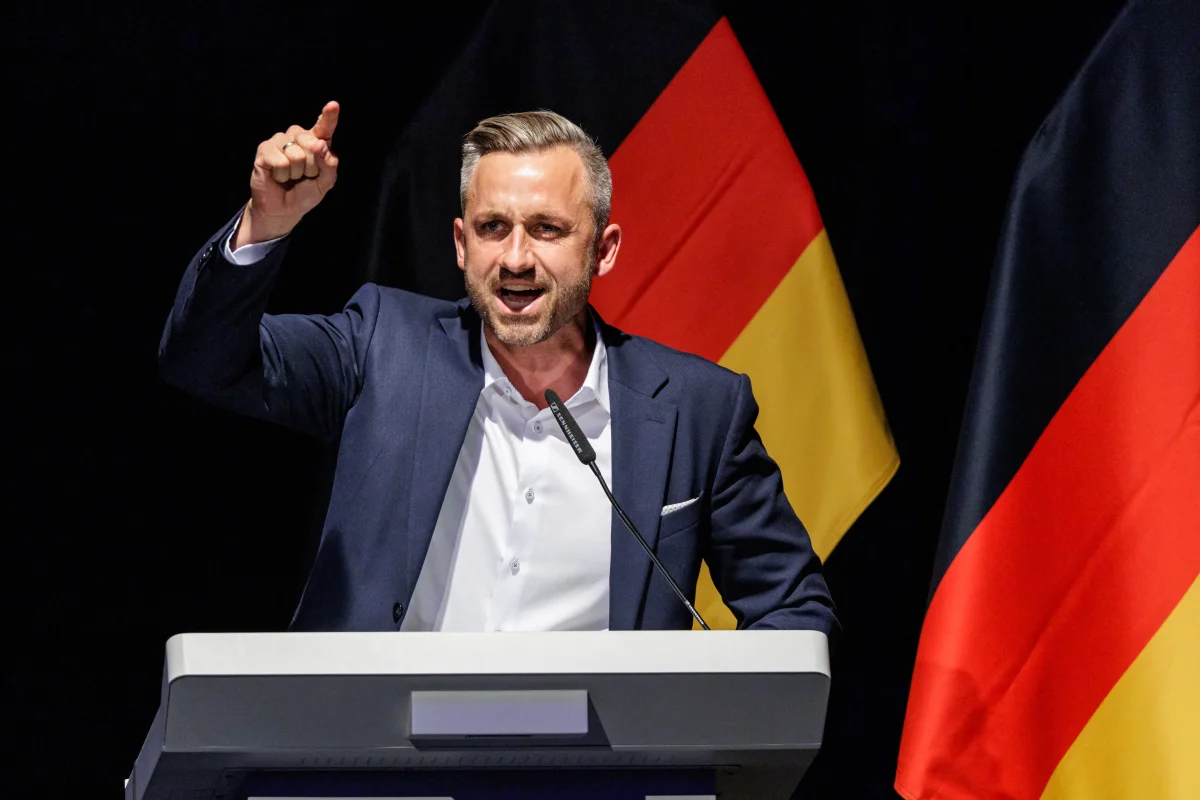
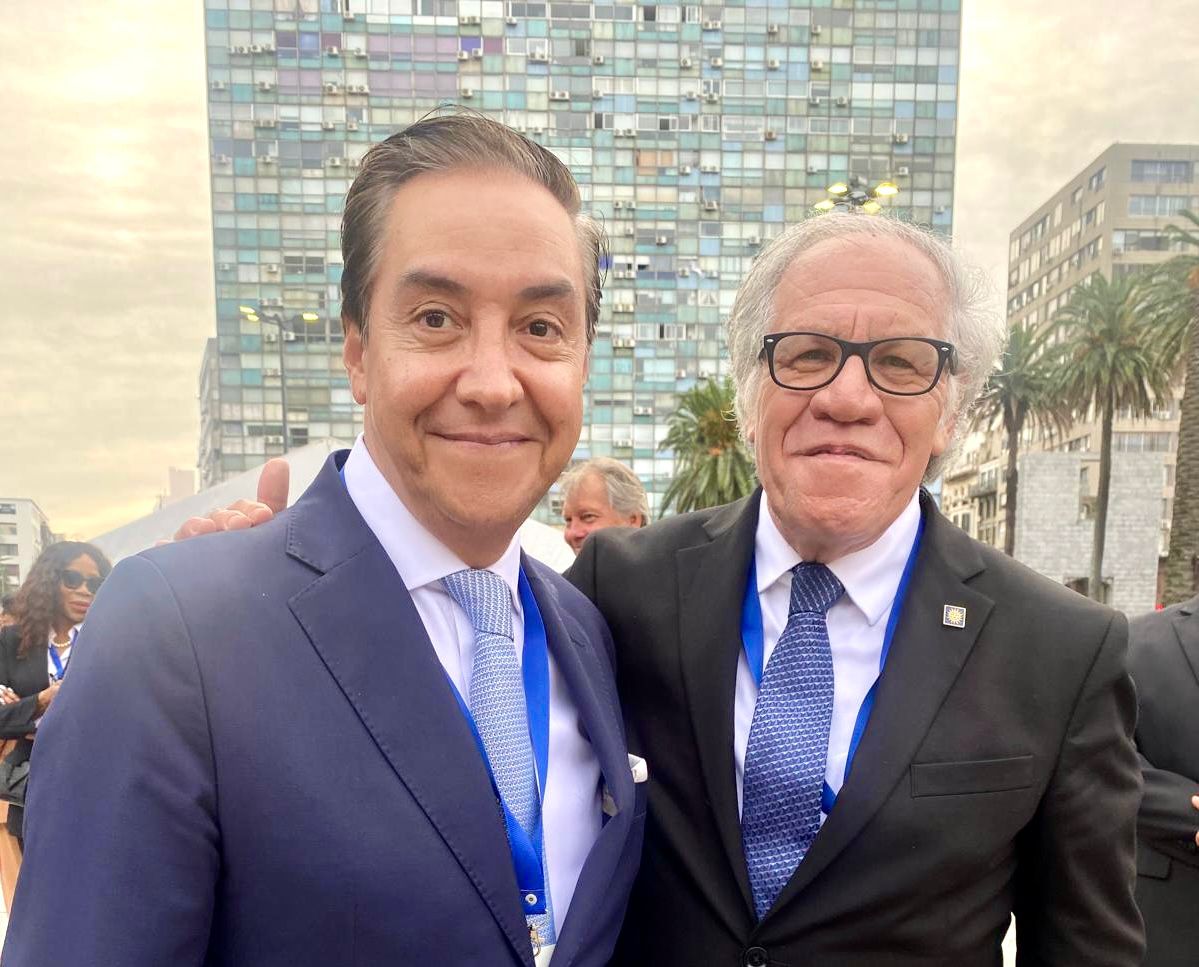
Javier Cárdenas-Moreno, President and CEO of Rhino Equipment, joined Luis Almagro, former Secretary General of the Organization of American States (OAS), and other prominent political and business leaders at a high-level event focused on Uruguay’s role as a platform for regional development.
The gathering brought together influential representatives from the private sector, government, and international affairs to discuss opportunities for economic growth, investment, trade, infrastructure, and regional integration.
At the center of the conversation was Uruguay as a platform for regional development, exploring how the country’s geographic position, institutional framework, business environment, and international connections can contribute to broader economic opportunities across Latin America.
For business leaders such as Javier Cárdenas-Moreno, these discussions are particularly relevant as companies increasingly look for strategic locations from which to access new markets, develop operations, strengthen supply chains, and participate in infrastructure and industrial projects across the region.
Javier Cárdenas-Moreno Brings a Business Perspective to the Conversation
As President and CEO of Rhino Equipment, Javier Cárdenas-Moreno participated in the gathering from the perspective of an international business leader with a focus on heavy equipment and industries connected to construction, infrastructure, and economic development.
His participation highlighted the importance of the private sector in conversations about regional competitiveness.
Infrastructure development depends on both public policy and private investment. Companies operating in construction and industrial markets can play an important role in providing the equipment, technology, services, and expertise required to support economic expansion.
For Cárdenas-Moreno, participating in high-level business and political gatherings also provides an opportunity to connect with leaders who influence investment, economic policy, international relations, and regional development.
The conversation around Uruguay therefore extended beyond the country’s domestic economy and examined its potential role as a strategic business hub for Latin America.
Luis Almagro Shares a Regional and International Perspective
Luis Almagro brought extensive experience in international affairs and regional diplomacy to the discussion.
Almagro served as Secretary General of the Organization of American States from May 2015 until May 2025, after being elected in 2015 and reelected for a second term in 2020. Before leading the OAS, he served as Uruguay’s Minister of Foreign Affairs from 2010 to 2015.
His decade at the OAS placed him at the center of major political, economic, and institutional discussions across the Americas. The OAS describes his tenure as focused, among other priorities, on democracy, human rights, security, development, and prosperity throughout the hemisphere.
His experience is particularly relevant to discussions about Uruguay’s potential role as a regional platform because economic development increasingly depends on relationships that extend beyond national borders.
Trade agreements, investment flows, diplomatic relationships, logistics, infrastructure, and regional cooperation all influence a country’s ability to serve as a gateway to broader markets.
Uruguay as a Strategic Platform for Regional Development
Uruguay’s position in South America makes it an important country to consider when discussing regional connectivity and economic integration.
Located between Argentina and Brazil, Uruguay has access to some of the largest economies in South America while maintaining connections to international markets through its ports, logistics infrastructure, and commercial relationships.
This geographic position can create opportunities for companies seeking to establish regional operations or develop business relationships across the Southern Cone.
The concept of Uruguay as a platform for regional development therefore involves more than attracting investment into the country itself. It also raises the possibility of using Uruguay as a base from which companies can access neighboring markets and participate in broader regional value chains.
Investment and the Business Environment
One of the key elements in positioning a country as a regional business platform is its ability to attract and retain investment.
Investors typically consider factors such as institutional stability, infrastructure, connectivity, access to markets, skilled talent, regulatory conditions, and long-term economic prospects.
For Latin America, strengthening these conditions can help attract capital while encouraging the development of productive sectors and regional supply chains.
The discussion involving Cárdenas-Moreno and Almagro reflected the importance of connecting these different elements. Business leaders need opportunities to invest and grow, while governments and institutions need private-sector participation to support economic development.
This relationship between the public and private sectors can be particularly important for countries seeking to position themselves as destinations for international business.
Infrastructure as a Driver of Regional Competitiveness
Infrastructure represents another fundamental component of Uruguay’s potential as a regional platform.
Efficient transportation networks, ports, energy systems, telecommunications, and logistics infrastructure can reduce business costs and facilitate the movement of goods and services between countries.
For companies involved in construction and heavy equipment, infrastructure development is directly connected to economic growth.
As roads, ports, industrial facilities, energy projects, and logistics networks expand, demand for construction equipment and specialized machinery can also increase.
This makes the conversation about regional development especially relevant to companies such as Rhino Equipment, whose products serve industries involved in construction, infrastructure, industrial activity, and other demanding applications.
Uruguay and Regional Economic Integration
The discussion also highlighted the importance of regional economic integration.
Latin American economies are interconnected through trade, investment, logistics, energy, manufacturing, agriculture, and services. Strengthening these connections can help companies expand their markets while allowing countries to participate more effectively in regional and global value chains.
Uruguay can potentially serve as a bridge between different markets, particularly within the Southern Cone.
For international businesses, this type of connectivity can influence decisions about where to establish operations, how to organize supply chains, and which markets to prioritize.
The presence of leaders with experience in both business and international affairs underscored the importance of looking at regional development from multiple perspectives.
The Private Sector’s Role in Uruguay’s Growth
A central element of the conversation was the role of business leaders and private investment in supporting economic development.
Companies can contribute to national and regional growth through job creation, investment, innovation, technology adoption, supplier development, and the expansion of international trade.
For Javier Cárdenas-Moreno, the discussion provided an opportunity to reinforce the importance of entrepreneurship and private-sector participation in building competitive economies.
Business leaders can also contribute by developing long-term relationships across markets and identifying opportunities that connect local economies with international demand.
The ability to combine investment with innovation and regional partnerships can help create economic ecosystems capable of generating value beyond individual companies.
Connecting Business Leadership with Regional Development
The gathering between Javier Cárdenas-Moreno, Luis Almagro, and other political and business leaders demonstrated the value of bringing together different perspectives on Latin America’s economic future.
Business executives understand the opportunities and challenges involved in investing and operating across markets. Political and diplomatic leaders bring experience in international relations, public policy, and regional cooperation.
When these perspectives meet, conversations can move beyond individual countries and focus on the broader conditions required for sustainable economic development.
Uruguay’s potential as a regional platform illustrates this approach: its value can be considered not only through its domestic market, but also through its connections to neighboring economies and international markets.
A Vision for Uruguay as a Gateway to Regional Opportunities
The discussion ultimately placed Uruguay within a broader conversation about Latin America’s competitiveness and regional development.
As companies seek greater connectivity, resilient supply chains, new markets, and strategic investment opportunities, countries capable of combining institutional stability, infrastructure, connectivity, and international relationships can become increasingly relevant.
For Javier Cárdenas-Moreno and Rhino Equipment, engaging in these conversations reinforces the importance of understanding the economic forces shaping infrastructure and business development across the Americas.
For Luis Almagro, his experience in Uruguay’s foreign affairs and at the OAS provides a regional perspective on the importance of cooperation and international connections. The OAS confirms that during his tenure as Secretary General, he emphasized development, security, democracy, and prosperity across the hemisphere.
Together with other political and business leaders, their participation highlighted a central question for the region: How can Uruguay strengthen its position as a platform for investment, connectivity, and regional development?
The answer will depend on continued collaboration between governments, businesses, investors, institutions, and entrepreneurs—and on the ability to transform strategic advantages into long-term opportunities for economic growth across Latin America.