
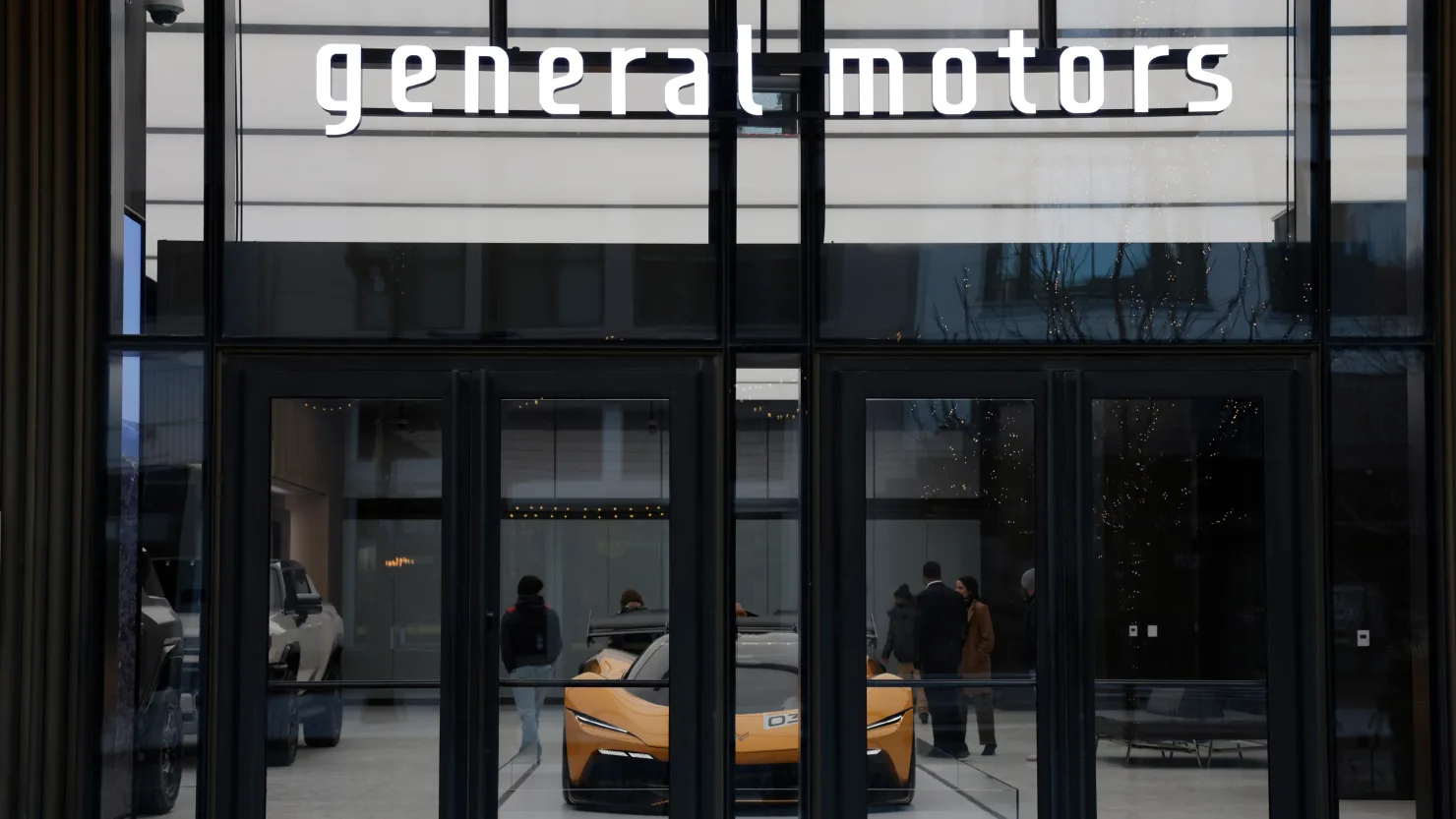
General Motors is cutting hundreds of salaried positions within its information technology division as the automaker accelerates cost-control measures while reshaping its long-term workforce strategy.
The reductions, which began this week, are expected to affect between 500 and 600 employees globally. Many of the impacted workers are based in Texas and Michigan. This decision reflects a broader effort by the Detroit automaker to streamline operations. In addition, it prioritizes investments in advanced software, artificial intelligence and next-generation mobility technologies.
Company executives have increasingly focused on efficiency as automakers navigate a rapidly evolving market. This market is shaped by electric vehicles, automation and rising technology expenses. The latest workforce changes come as GM continues balancing cost reductions with ongoing hiring in specialized technical roles.
According to listings on the company’s careers website, dozens of technology-related positions remain open, including jobs connected to AI systems, autonomous driving and digital engineering.
GM Restructures IT Operations for Future Growth
General Motors confirmed the layoffs in a statement describing the changes as part of a transformation inside its information technology organization. Executives said the restructuring is designed to better align the company with future operational and technological demands.
While the automaker did not publicly disclose exact numbers, individuals familiar with the matter said the majority of affected employees work in Austin, Texas, and Warren, Michigan. These cities are two major hubs for GM’s engineering and technology operations.
The company emphasized that support programs will be offered to employees impacted by the workforce reductions. GM also acknowledged the contributions made by affected staff members during a period of significant technological transition across the automotive industry.
The move reflects an ongoing trend among major manufacturers seeking to reduce overlapping corporate functions. At the same time, these manufacturers are expanding investment in software-driven operations. Automakers are increasingly behaving like technology companies as digital systems become central to vehicle development, manufacturing and customer services.
Industry analysts note that information technology divisions are undergoing rapid restructuring as companies prioritize cloud computing, cybersecurity and connected vehicle systems. Data-driven engineering and artificial intelligence are now considered critical competitive advantages in the global automotive sector.
Research from organizations such as the World Economic Forum has repeatedly highlighted how automation and digital transformation are reshaping labor demands across manufacturing industries worldwide.
Cost Pressures Continue Across the Auto Industry
GM’s latest staffing adjustments arrive during a period of mounting financial pressure for automakers. Rising development costs tied to electric vehicles, battery systems and software infrastructure have forced companies to carefully evaluate spending priorities.
Although vehicle demand remains relatively strong in several markets, manufacturers are also confronting higher labor costs, global supply chain uncertainty and intense competition. This competition comes from both traditional rivals and emerging EV companies.
General Motors has conducted multiple workforce reviews over the past few years as executives reassess business conditions and future talent requirements. In late 2025, the company eliminated more than 200 engineering positions tied to computer-aided design operations. This action was taken due to changing market conditions and organizational needs.
Corporate leaders across the industry are increasingly shifting resources toward specialized technical expertise rather than maintaining broader staffing structures. Companies now seek workers with advanced skills in machine learning, software architecture and autonomous mobility systems.
The growing importance of digital operations is also influencing investor expectations. Financial markets have rewarded automakers that demonstrate disciplined spending while still advancing innovation initiatives tied to electric and self-driving technologies.
Economic observers following manufacturing employment trends through institutions such as the U.S. Bureau of Labor Statistics have noted ongoing shifts away from traditional automotive roles toward highly specialized software and engineering positions.
Hiring Continues in AI and Autonomous Vehicle Development
Despite the layoffs, General Motors continues recruiting talent in several strategic areas. The company currently has open positions connected to artificial intelligence, motorsports technology, software systems and autonomous vehicle research.
Executives have repeatedly stated that future growth depends heavily on digital integration across vehicles and manufacturing systems. Modern vehicles increasingly rely on millions of lines of software code. Therefore, automakers must expand expertise in cybersecurity, cloud connectivity and data management.
GM has invested heavily in advanced mobility programs over recent years, including electric vehicle production, driver-assistance systems and autonomous transportation platforms. These investments remain central to the company’s long-term strategy despite broader cost-cutting initiatives.
Technology specialists say the company’s current approach reflects a wider trend in corporate America. In this trend, businesses reduce general overhead while selectively expanding departments tied to future innovation and automation.
Analysts following labor market transitions through McKinsey & Company research have noted that companies increasingly prioritize adaptable digital skill sets capable of supporting rapid technological change across multiple industries.
GM reported employing roughly 68,000 salaried workers globally at the end of last year, including approximately 47,000 white-collar employees in the United States.