World Cup 2026 Hotel Demand Falls Behind Expectations
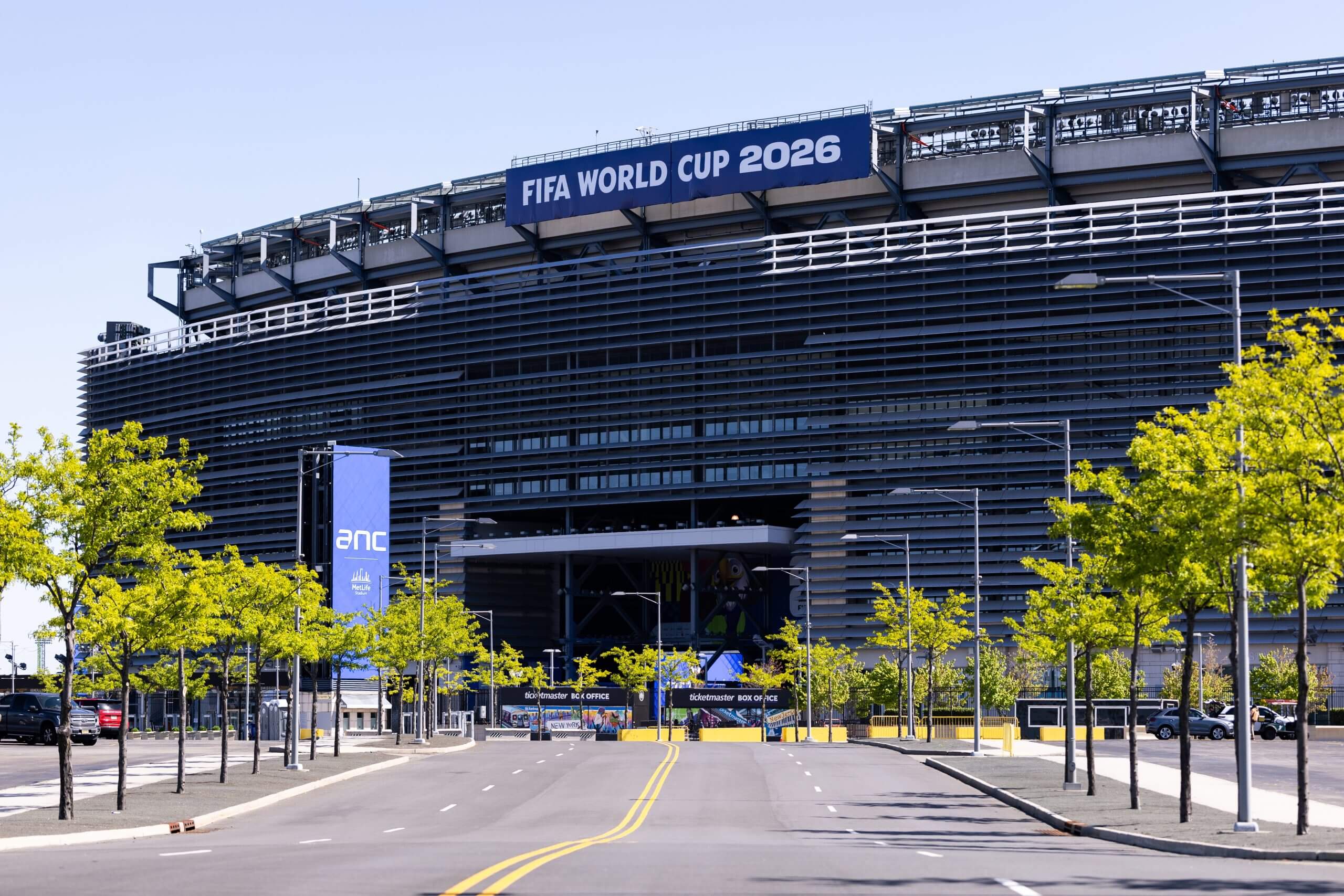
With just weeks remaining before the start of the 2026 FIFA World Cup, hotels across several U.S. host cities are facing an unexpected slowdown in bookings, raising concerns within the hospitality sector about projected revenues and occupancy rates during one of the largest global sporting events.
According to industry data released by the American Hotel and Lodging Association, a significant share of hotel operators report reservations falling well below initial forecasts. In some metropolitan areas, occupancy levels are not only underperforming projections tied to the tournament but are also trailing typical seasonal averages for June and July.
Cities such as Kansas City are among the most affected, with a large majority of hotel operators indicating weaker-than-expected demand. Despite millions of tickets sold globally, this surge in attendance has yet to translate into a proportional increase in hotel reservations, suggesting a disconnect between ticket purchases and travel commitments.
For more on global tourism trends, visit https://www.unwto.org
Insights on hospitality performance can be found at https://www.ahla.com
International Travel Barriers Impact Visitor Numbers
A major factor influencing booking trends appears to be a slowdown in international travel to the United States. Industry analysts point to multiple contributing elements, including stricter immigration procedures, longer visa processing times, and higher travel-related costs.
The strength of the U.S. dollar has also made travel more expensive for foreign visitors, further dampening demand. Additionally, concerns about airport screening processes and entry requirements are shaping perceptions among potential travelers, creating hesitation around attending the tournament in person.
The FIFA has maintained that ticket sales remain strong and expects record-breaking attendance. However, the hospitality sector relies heavily on international tourists, who historically spend more per visit and stay longer than domestic travelers.
For U.S. travel policy updates, visit https://travel.state.gov
For currency and economic indicators, visit https://www.imf.org
Uneven Performance Across Host Cities
While several cities are experiencing slower booking activity, others are showing more resilience. Markets such as Miami and Atlanta have reported booking levels that are either meeting or exceeding expectations, suggesting that destination appeal, international connectivity, and tourism infrastructure play a significant role in performance variation.
Local organizing committees remain optimistic about long-term outcomes, projecting substantial visitor inflows throughout the tournament period. In Kansas City, for example, officials continue to anticipate hundreds of thousands of visitors despite current booking trends, signaling confidence in last-minute travel surges.
The broader concern for the hospitality industry lies in the timing. With limited weeks remaining before kickoff, hotels may need to adjust pricing strategies, marketing efforts, and partnerships to stimulate demand and fill vacant inventory.
For global event economic impact studies, visit https://www.weforum.org
Outlook for the Hospitality Industry
As the tournament approaches, the gap between expectations and actual bookings highlights the evolving dynamics of global travel behavior. Large-scale events no longer guarantee automatic demand, particularly in an environment shaped by economic uncertainty, policy shifts, and changing traveler preferences.
Hotels, airlines, and tourism boards are now closely monitoring booking patterns to determine whether a late surge in reservations will materialize. The coming weeks will be critical in assessing whether the 2026 FIFA World Cup can deliver the economic boost that many cities and businesses had anticipated.
The situation underscores a broader industry lesson: even the world’s most anticipated sporting events must contend with complex global factors that influence how, when, and whether people choose to travel.