U.S. Wildland Fire Service Prepares for Extreme 2026 Fire Season Amid Policy Shifts and Rising Wildfire Risks
As the United States enters what experts warn could be one of the most intense wildfire seasons in recent years, the newly established U.S. Wildland Fire Service is accelerating preparations to respond to increasingly dry and dangerous conditions. The agency, created during the administration of Donald Trump, is part of a broader effort to centralize federal wildfire response capabilities under a single coordinated structure.
With drought conditions intensifying across multiple regions, fire officials are warning that the pace and scale of wildfires could escalate rapidly, placing pressure on both personnel and resources.
Early Mobilization and Resource Expansion
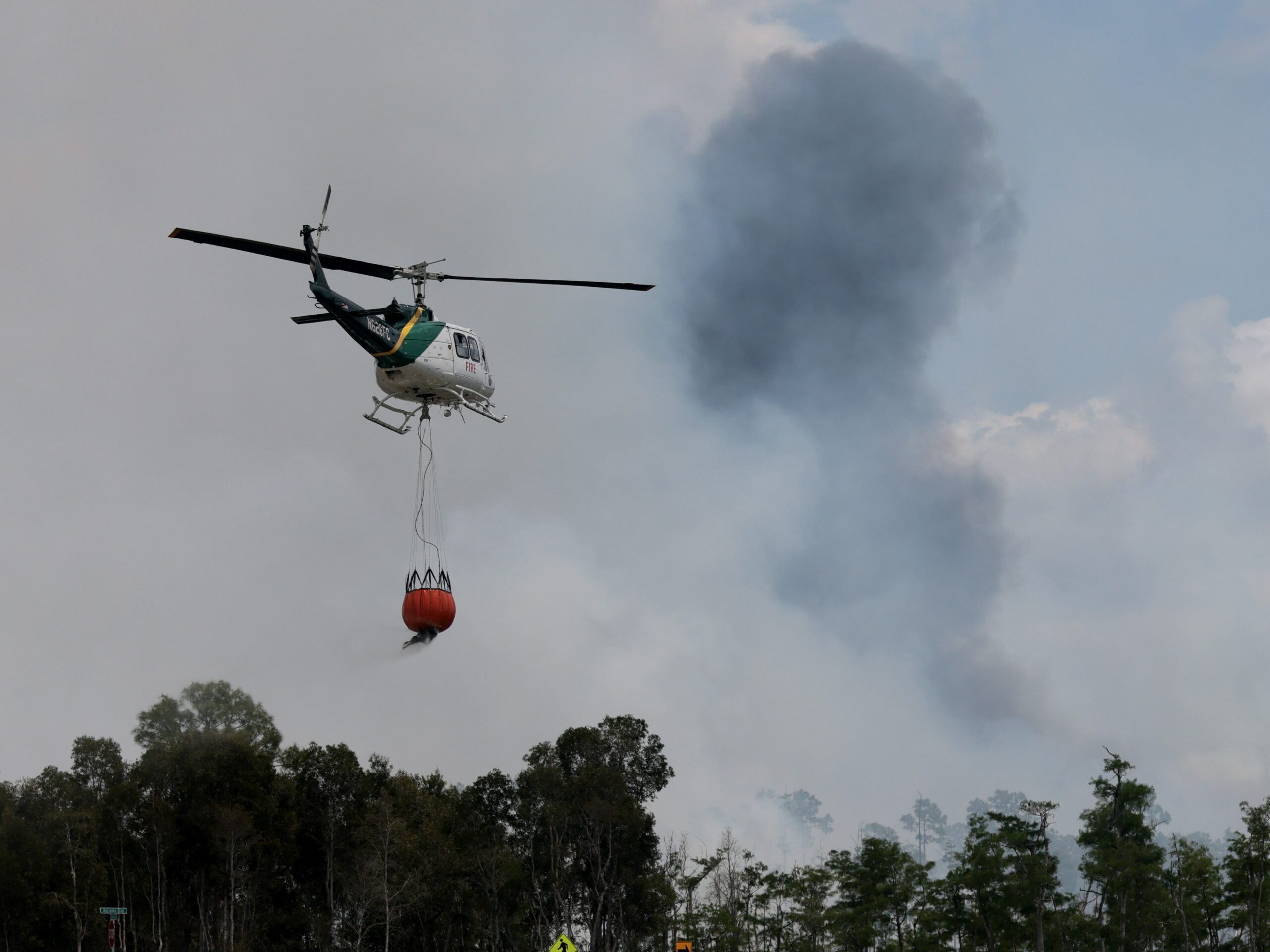
Leading the agency is Brian Fennessy, who has emphasized the urgency of early action. Federal teams are deploying firefighting crews ahead of peak season and increasing the availability of aerial resources, including water-dropping aircraft and surveillance systems.
This proactive approach reflects lessons learned from previous fire seasons, where delayed mobilization contributed to larger and more destructive fires. The agency is prioritizing rapid response capabilities, aiming to contain outbreaks before they expand into major incidents.
Additional insights into federal wildfire preparedness strategies can be explored through National Interagency Fire Center, which tracks nationwide fire activity and resource coordination.
Prevention Challenges and Decline in Prescribed Burns
Despite the increased focus on suppression, concerns are growing over a decline in preventative strategies such as prescribed burns. These controlled fires are widely recognized as one of the most effective tools for reducing excess vegetation and limiting the intensity of future wildfires.
Data indicates that in 2025, the number of prescribed burns dropped significantly, raising alarms among scientists and environmental experts. Researchers in University of California, Los Angeles, including climate specialist Park Williams, argue that without expanded prevention efforts, wildfire risks will continue to escalate.
Scientific background on fire ecology and land management practices is available through U.S. Forest Service, which outlines the role of controlled burns in ecosystem health.
Policy Debate Over Fire Suppression vs. Prevention
The creation of the new agency also comes with evolving policy directives that some analysts say prioritize immediate fire suppression over long-term prevention. This shift has sparked debate within the wildfire management community about the most effective approach to mitigating large-scale disasters.
Supporters of the current strategy argue that rapid containment is essential given the increasing frequency of extreme fire conditions. Critics, however, contend that neglecting preventative measures could lead to more severe and costly fires in the future, with damages often exceeding $10,000,000,000 annually.
Policy frameworks and environmental risk assessments related to wildfire management can be further reviewed through Environmental Protection Agency y National Oceanic and Atmospheric Administration, both of which provide data on climate patterns and fire-related impacts.
As the 2026 wildfire season approaches, the balance between suppression and prevention remains a central issue, with significant implications for public safety, environmental sustainability, and federal resource allocation.