Kennedy Center Closure Plan Sparks Political and Cultural Debate as $Millions in Repairs Raise Questions Over Management and Oversight
The future of the Kennedy Center has become the center of a growing national debate, as leadership at the iconic performing arts venue seeks to justify a proposed two-year closure tied to extensive infrastructure repairs. During a recent behind-the-scenes tour, officials showcased structural deterioration and aging systems, arguing that only a full shutdown can address the scope of the issues. However, critics across cultural, political, and preservation circles are questioning whether the closure is truly necessary or if deeper management concerns are driving the decision.
Extensive Infrastructure Damage Raises Urgency for Repairs
During the guided tour, executive leadership highlighted widespread physical deterioration throughout the facility, pointing to significant water intrusion, corrosion in steel support structures, and visible degradation in concrete surfaces within the parking infrastructure. According to officials, hundreds of water entry points have accelerated structural wear, creating long-term risks if not addressed comprehensively.
Aging mechanical systems were also presented as a central concern. Heating and cooling infrastructure, including boilers and chillers dating back decades, are reportedly operating beyond their intended lifespan. Leadership emphasized that replacing these systems with modern, energy-efficient alternatives would require a coordinated overhaul that cannot be executed while maintaining normal operations.
The complexity of the building’s interconnected systems adds another layer of difficulty. Coordinating repairs around live performances, technical rehearsals, and public access creates unpredictable constraints that officials argue would increase costs and extend timelines if the venue remains open.
More information on infrastructure modernization strategies can be explored at https://www.energy.gov y https://www.asce.org
Leadership Defends Full Shutdown as Only Viable Option
Kennedy Center leadership maintains that attempts were made to develop phased construction plans that would allow the facility to remain operational. However, those efforts were ultimately deemed impractical due to the uncertainty inherent in large-scale renovation projects.
Officials argue that once construction begins, unforeseen structural issues often emerge, requiring rapid adjustments that are difficult to manage in an active performance environment. The inability to predict scheduling conflicts with productions further complicates any phased approach.
From a financial perspective, leadership suggests that a full closure could reduce long-term costs by enabling contractors to work more efficiently without operational interruptions. This approach is positioned as a strategic investment designed to extend the life of the facility while improving safety, reliability, and energy performance.
Insights into large-scale project planning and risk management can be found at https://www.mckinsey.com y https://www.pmi.org
Critics Question Motives and Demand Greater Transparency
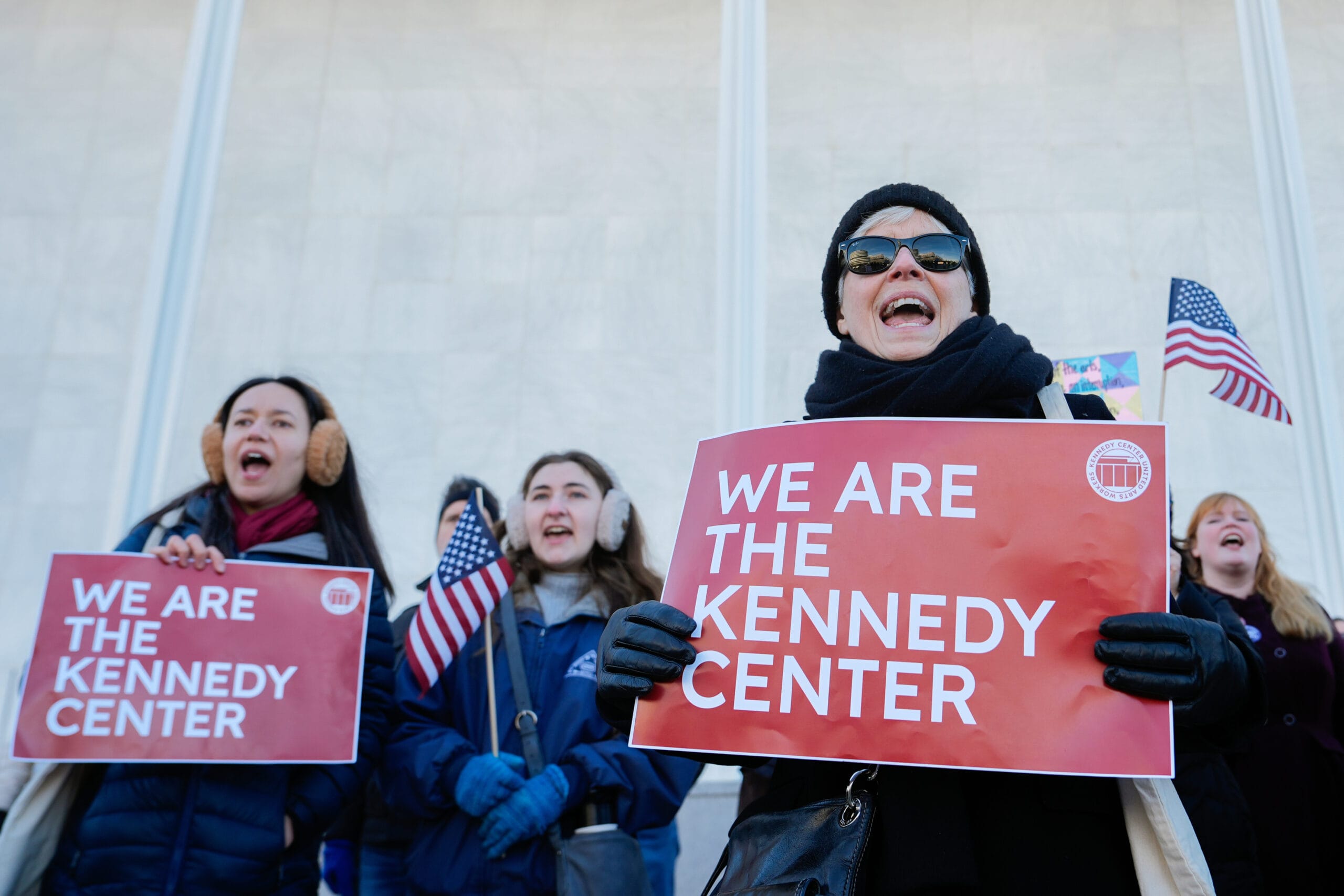
Despite the arguments presented by leadership, opposition to the closure remains strong. Preservation groups and cultural stakeholders argue that similar institutions have successfully completed major system upgrades without halting operations entirely. They contend that daytime construction combined with evening performances has long been a viable model in the performing arts sector.
Legal action has emerged as part of the pushback, with a coalition of organizations seeking greater transparency around renovation plans, funding allocation, and authorization processes. Critics emphasize the importance of congressional oversight, particularly given the national significance of the institution.
Concerns have also been raised regarding governance and financial management. Some policymakers have suggested that operational decisions and leadership changes may have contributed to the current situation, framing the closure as a response to internal challenges rather than purely structural necessity.
For further context on cultural preservation and regulatory frameworks, visit https://www.nps.gov y https://www.heritage.org
As the debate continues, the Kennedy Center stands at a crossroads between modernization and controversy, with decisions made in the coming months likely to shape not only its physical future but also its role within the broader cultural landscape.