A French woman infected during the hantavirus outbreak aboard the expedition cruise ship MV Hondius remains in critical condition in Paris. International health authorities continue monitoring passengers and crew connected to the growing outbreak. In addition, doctors treating the patient said the disease caused severe complications affecting both her lungs and heart. These complications forced specialists to place her on an advanced artificial lung support system.
The outbreak linked to the cruise vessel has now reached 11 reported cases. Nine infections have been officially confirmed by health agencies. Three deaths have already been associated with the outbreak. These deaths include a Dutch couple believed to have been exposed before boarding the ship during travels across South America.
Medical teams across Europe are continuing quarantine procedures and epidemiological investigations. At the same time, international authorities attempt to determine the exact origin and transmission chain of the virus. Global infectious disease monitoring organizations, including the World Health Organization, have stated that the current risk to the wider public remains limited. However, officials continue to warn that additional cases could still emerge due to the virus’s lengthy incubation period.
French Patient Under Intensive Medical Support
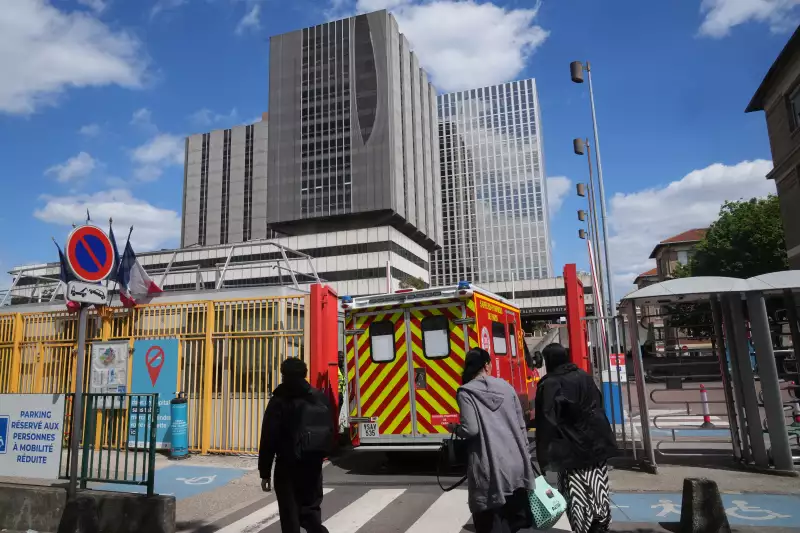
Doctors at Bichat Hospital in Paris confirmed the French passenger developed an aggressive form of hantavirus infection that severely damaged respiratory and cardiovascular function. According to infectious disease specialists, the patient is currently connected to extracorporeal membrane oxygenation equipment, commonly known as ECMO. This technology temporarily replaces lung function by oxygenating blood outside the body.
Medical experts explained that this treatment is typically reserved for the most serious cases when conventional ventilation is no longer sufficient. Consequently, physicians hope the advanced support system will reduce pressure on the patient’s organs and provide time for recovery.
The hantavirus strain identified in the outbreak is believed to be the Andes variant. This form differs from other kinds of the virus because it may rarely spread between humans through prolonged close contact. In addition, public health agencies such as the Centers for Disease Control and Prevention continue to evaluate the risk profile associated with the outbreak.
Meanwhile, Spanish health authorities confirmed another passenger tested positive after being transferred from the vessel to a military hospital in Madrid. Officials there stated the patient remains isolated under strict monitoring procedures.
Investigators Search for the Source of Exposure
Health officials in Argentina announced plans to send a scientific investigation team to locations visited by the first known infected passengers before they boarded the cruise ship. Additionally, authorities are particularly examining areas where infected rodents may have been present.
The Dutch couple who later died had reportedly traveled through Argentina and neighboring regions for several months prior to joining the expedition cruise. Officials are focusing on a bird-watching excursion. Notably, this excursion included a stop near a landfill site where rodents carrying hantavirus may have been active.
Scientists are also reviewing environmental conditions and wildlife activity connected to the possible exposure points. Researchers studying zoonotic diseases through institutions such as the Pan American Health Organization have emphasized that hantavirus infections are most commonly associated with contact involving rodent urine, droppings or contaminated surfaces.
Despite the growing concern, health authorities stressed there is still no evidence of widespread community transmission outside the ship’s passengers and crew. The World Health Organization reiterated that monitoring and isolation remain the most effective tools for limiting further spread while investigations continue.
Quarantine Operations Continue Across Europe
The evacuation of passengers and crew from the MV Hondius has now been fully completed after a large-scale operation in Tenerife involving medical personnel equipped with protective suits and respiratory gear. The ship is currently returning to the Netherlands. There, it will undergo cleaning and full disinfection procedures.
Several international passengers transported back to Europe have been placed into quarantine facilities or instructed to isolate at home for up to 42 days. Dutch authorities confirmed that travelers arriving in Eindhoven from evacuation flights included citizens from the Netherlands, Australia, New Zealand and members of the ship’s crew from the Philippines.
At the same time, a hospital in the Dutch city of Nijmegen announced that 12 healthcare workers entered preventive quarantine after concerns emerged regarding the handling of biological samples from an infected patient. Importantly, hospital administrators stated the overall infection risk remains low but acknowledged that stricter procedures should have been followed.
Medical specialists monitoring the outbreak through organizations including the European Centre for Disease Prevention and Control continue tracking passengers for symptoms that may appear weeks after exposure. Common early signs include fever, chills, muscle pain and respiratory complications. Nevertheless, severe cases can rapidly progress into life-threatening illness requiring intensive care support.