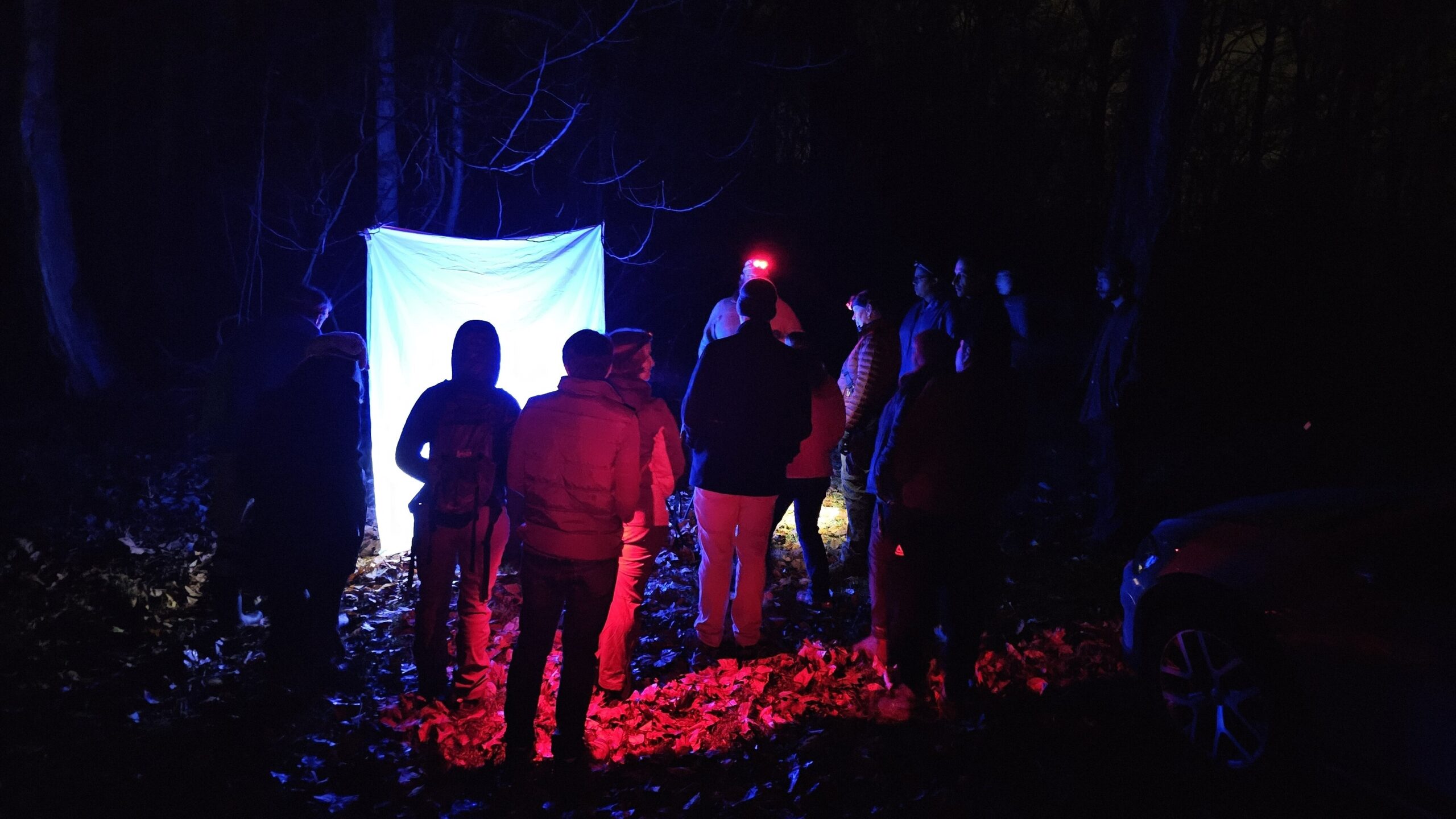
A cold winter night might seem like an unlikely time to explore the outdoors, yet in Maryland’s Patuxent River State Park, darkness and low temperatures create a stage for a remarkable display of hidden life. On a guided night hike led by host Emily Kwong and naturalist Serenella Linares, participants step into a quiet forest transformed by moonlight, headlamps, and ultraviolet beams. The experience reveals how wildlife continues to thrive in winter, relying on subtle adaptations that remain invisible to most daytime visitors.
Patuxent River State Park, known for its expansive forests and winding waterways, offers an ideal environment for nocturnal exploration. Trails that feel familiar during daylight take on a new character at night, encouraging hikers to slow down and observe the smallest details. From moss-covered rocks to decaying logs, every surface holds clues about how species endure freezing nights. This kind of immersive learning mirrors the mission of organizations like the National Park Service, which emphasizes environmental education and responsible outdoor recreation through its programs and public resources at nps.gov.
Discovering Color-Changing Lichens Under UV Light
One of the first highlights of the night hike is the search for lichens that respond dramatically under ultraviolet light. When illuminated, certain lichen species glow in vivid greens and blues, revealing chemical compounds that protect them from harsh sunlight and extreme temperatures. These symbiotic organisms, formed from algae and fungi living together, are among the hardiest life forms in temperate forests.
The group pauses along a damp section of trail as headlamps click off and a UV flashlight flickers on. Tree trunks and fallen branches suddenly sparkle with fluorescent patterns, transforming an ordinary forest scene into something that feels almost otherworldly. The effect sparks conversation about how lichens serve as environmental indicators, reflecting air quality and ecosystem health. Similar educational projects and citizen science efforts are often coordinated through platforms like iNaturalist, where hikers can log sightings and contribute to biodiversity research by sharing photos and location data.
The moment also underscores how winter can be an optimal time for spotting organisms that are usually overlooked. Without dense foliage blocking the view, bark textures and lichen colonies become easier to examine. This seasonal clarity allows participants to appreciate the quiet resilience of species that remain active, even when temperatures dip below freezing.
Tracking Salamanders Beneath Winter Logs
Further along the trail, the group gathers around a fallen log softened by moisture. With careful hands, Linares gently flips it over, revealing a salamander nestled in a layer of wet leaves. These amphibians rely on moisture to regulate their body temperature and respiration, making damp microhabitats essential for winter survival.
The salamander’s presence sparks discussion about how cold-blooded animals avoid freezing by seeking insulated shelters underground or beneath debris. Leaf litter acts as a natural blanket, trapping heat and maintaining humidity. Observations like these highlight the importance of leaving natural structures undisturbed in protected areas, a principle reinforced by conservation guidelines shared by organizations such as the U.S. Forest Service at fs.usda.gov.
For hikers, witnessing a salamander on a frigid night feels like a rare privilege. It also demonstrates how nocturnal exploration can deepen respect for fragile ecosystems. Even small disturbances can disrupt these carefully balanced survival strategies, making mindful hiking practices essential.
Bioluminescent Mushrooms and Community Nature Events
As the hike continues, anticipation builds around the possibility of encountering bioluminescent mushrooms. While sightings are rare and depend on precise environmental conditions, the mere hope of spotting faintly glowing fungi adds a sense of adventure. These mushrooms emit light through chemical reactions that remain a subject of ongoing scientific research, and they symbolize the mysterious side of forest ecology that often goes unnoticed.
Beyond individual discoveries, the night hike connects participants to broader outdoor initiatives. Community events like the City Nature Challenge encourage people worldwide to document urban and suburban wildlife, fostering a shared commitment to conservation. Similarly, the Great American Campout promotes accessible outdoor experiences that help families reconnect with nature. Information about these initiatives can be found through platforms like National Geographic’s education hub at nationalgeographic.org, which supports environmental literacy and global participation.
The sense of community extends beyond the trail. Participants exchange tips on local parks, upcoming events, and ways to stay involved in citizen science projects. This collaborative spirit reinforces the idea that nature exploration is not limited to experts but open to anyone curious enough to step outside, even on the coldest nights.
A winter night hike through Patuxent River State Park ultimately reveals how much life persists when most people assume the forest is dormant. From glowing lichens to sheltering salamanders and the elusive promise of bioluminescent mushrooms, the experience reframes winter as a season of subtle wonders rather than emptiness. By blending guided exploration with community engagement, these nocturnal adventures inspire a deeper appreciation for the natural world and encourage ongoing participation in conservation efforts supported by resources like parksandrecreation.org.
Stepping into the dark with curiosity and respect transforms a simple walk into an unforgettable journey, proving that winter nights hold stories waiting to be discovered by those willing to listen.