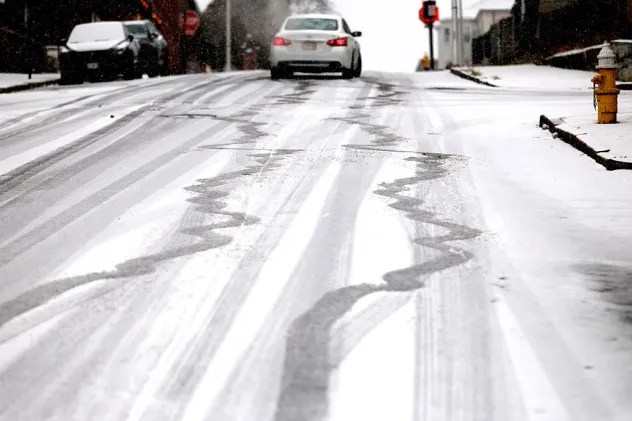
A powerful winter storm system is forecast to impact large portions of the United States in the coming days, bringing freezing temperatures, heavy snowfall, and hazardous road conditions. As weather patterns grow more unpredictable, winter driving safety tips are becoming essential for millions of motorists who may have no choice but to travel despite dangerous conditions. From preparing emergency kits to maintaining vehicles and heeding official weather warnings, proactive planning can make the difference between a manageable delay and a life-threatening situation.
Winter storms routinely disrupt highways, paralyze traffic, and leave drivers stranded for hours. Recent history has shown how quickly a routine commute can turn into an ordeal when snow and ice overwhelm roadways and emergency services. With that reality in mind, experts emphasize the importance of preparing both your vehicle and yourself before venturing out during winter weather.
Build a Comprehensive Emergency Kit for Your Vehicle
One of the most effective winter driving safety tips is to always keep a well-stocked emergency kit in your car. While snow and ice are obvious hazards, traffic accidents, road closures, and mechanical failures can happen in any season, leaving drivers immobilized for extended periods. In winter, these risks are magnified by freezing temperatures and limited visibility.
A practical emergency kit should include a first-aid kit, a flashlight with extra batteries, a phone charger or portable power bank, nonperishable food such as protein bars, bottled drinking water, and a shovel or ice scraper. Additional cold-weather items such as blankets, thermal clothing, gloves, scarves, and hats can help prevent hypothermia if you are forced to remain in your vehicle for hours. Pet owners should also carry extra pet food and water to ensure animals remain safe during delays.
Staying informed is equally important. Reliable weather updates from the National Weather Service can help drivers anticipate storm severity and plan travel accordingly. Many motorists also rely on real-time traffic tools such as Google Maps to identify road closures, congestion, and alternative routes before getting on the road.
Maintain Your Vehicle and Keep the Fuel Tank Full
Proper vehicle maintenance is a cornerstone of winter driving safety tips. Cold temperatures place added stress on batteries, tires, and engine components, increasing the likelihood of breakdowns. Drivers should check tire pressure regularly, ensure adequate tread depth, and confirm that antifreeze levels are sufficient for subzero conditions. Windshield wipers, defrosters, and headlights should also be in optimal working order to maximize visibility during snowfall and freezing rain.
Keeping the fuel tank topped off is another critical precaution. A full tank not only reduces the risk of running out of gas in stalled traffic but also allows drivers to periodically run the engine for warmth if stranded. However, engines should be run intermittently and only when the exhaust pipe is clear of snow and ice to avoid carbon monoxide buildup. Prolonged idling in enclosed or poorly ventilated spaces is especially dangerous and should be avoided.
Automotive safety guidance from the National Highway Traffic Safety Administration highlights the importance of clearing exhaust pipes, avoiding long idling periods, and ensuring vehicles are winter-ready before travel. Regular inspections and routine servicing can significantly reduce the risk of mechanical failure during severe weather.
Stay in the Vehicle and Follow Weather Warnings
When winter storms cause traffic to grind to a halt, the safest option is usually to remain inside the vehicle. Leaving a car exposes drivers to freezing temperatures, reduced visibility, and disorientation, especially in remote or unfamiliar areas. A vehicle provides shelter, insulation from wind, and a visible location for rescue teams if assistance becomes necessary.
Heeding weather warnings is one of the most overlooked winter driving safety tips. Forecasts often provide days of advance notice before major storms, giving drivers an opportunity to delay nonessential travel. Monitoring trusted forecasting services such as AccuWeather can help motorists make informed decisions about when to stay home and when conditions may improve.
In many past winter emergencies, dire outcomes could have been avoided if travelers had taken official warnings more seriously. Rapid snowfall rates, plummeting temperatures, and ice accumulation can overwhelm road crews and emergency responders, leaving drivers on their own for hours. Being proactive by adjusting travel plans, checking forecasts frequently, and preparing for worst-case scenarios is essential.
Severe winter storms will continue to pose a challenge across the United States, particularly as climate variability intensifies extreme weather events. By following proven winter driving safety tips—maintaining a well-equipped emergency kit, keeping vehicles in top condition, and respecting official weather advisories—drivers can significantly reduce their risk and improve their chances of staying safe during winter travel.