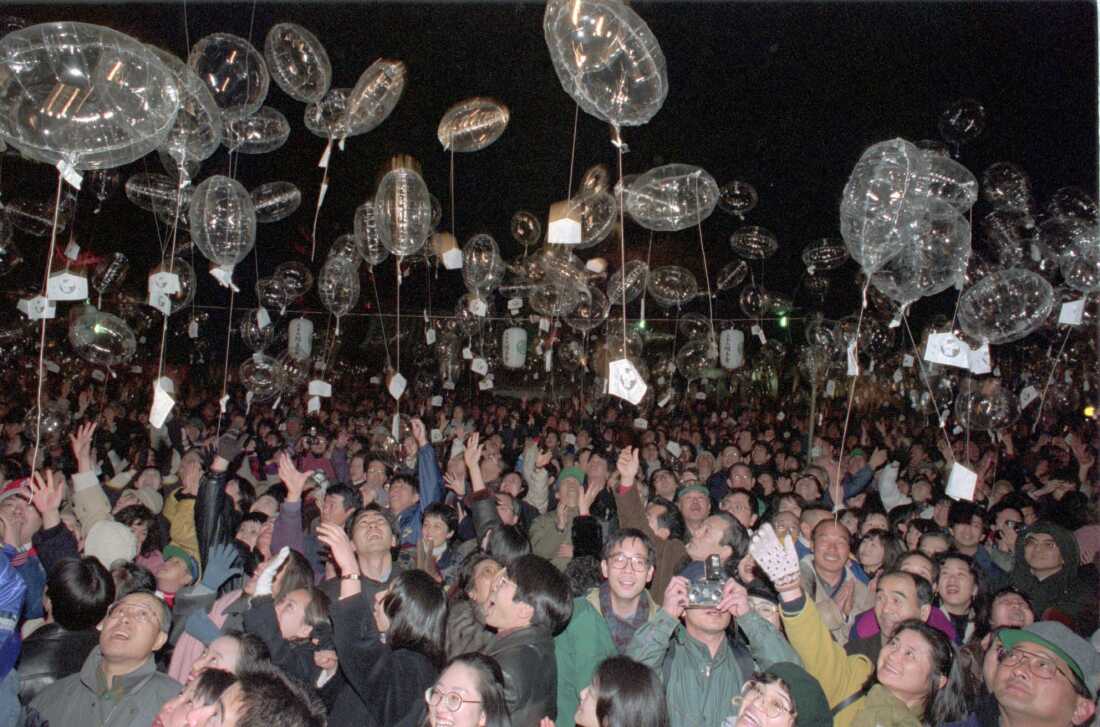
Ancient Origins of New Year Commitments
Historical records show that the act of making promises at the start of a new year predates the modern calendar by thousands of years. Early civilizations viewed the turning of the year as a moment charged with spiritual and social significance. In ancient Mesopotamia, seasonal festivals marked transitions in agricultural cycles, during which communities reaffirmed obligations and commitments essential to social stability. These early customs aligned personal behavior with communal expectations, reinforcing trust and continuity.
The Romans later formalized this practice by linking the beginning of January to Janus, the deity associated with transitions and duality. The symbolism of looking backward and forward at the same time resonated deeply with Roman society, where vows made at the start of the year were considered binding. This concept of intentional self-direction remains central to modern resolutions and can be traced through historical timelines documented on platforms such as https://www.britannica.com and https://www.history.com.
Language, Meaning, and the Rise of Personal Intentions
The word “resolution” itself evolved over centuries, gradually shifting from a technical term to one that emphasized determination and moral clarity. By the early modern period, written records show individuals documenting yearly pledges tied to faith, discipline, and ethical conduct. Personal diaries from this era demonstrate that reflection and self-correction were already considered essential practices for entering a new year with purpose.
As literacy expanded and calendars became standardized, these practices moved beyond religious settings and entered broader civic life. The growing availability of printed materials encouraged individuals to track goals and commitments more systematically. This evolution mirrors modern productivity practices discussed on educational and historical platforms like https://www.merriam-webster.com and https://www.loc.gov, where language and tradition intersect.
Modern Culture and the Enduring Appeal of Resolutions
By the twentieth century, New Year’s resolutions had largely transitioned into a secular tradition, closely tied to personal development rather than collective ritual. Economic shifts, urbanization, and changing work patterns made January a symbolic reset point, particularly for financial planning and lifestyle changes. The tradition gained further momentum through mass media, which reinforced the idea of starting fresh at the beginning of the calendar year.
Today, resolutions function as both personal benchmarks and cultural touchstones. They offer structure in a time of uncertainty and provide a socially accepted opportunity to pursue change without external pressure. The enduring popularity of resolutions suggests that, despite evolving social norms, the human desire for renewal and intentional growth remains constant across generations.