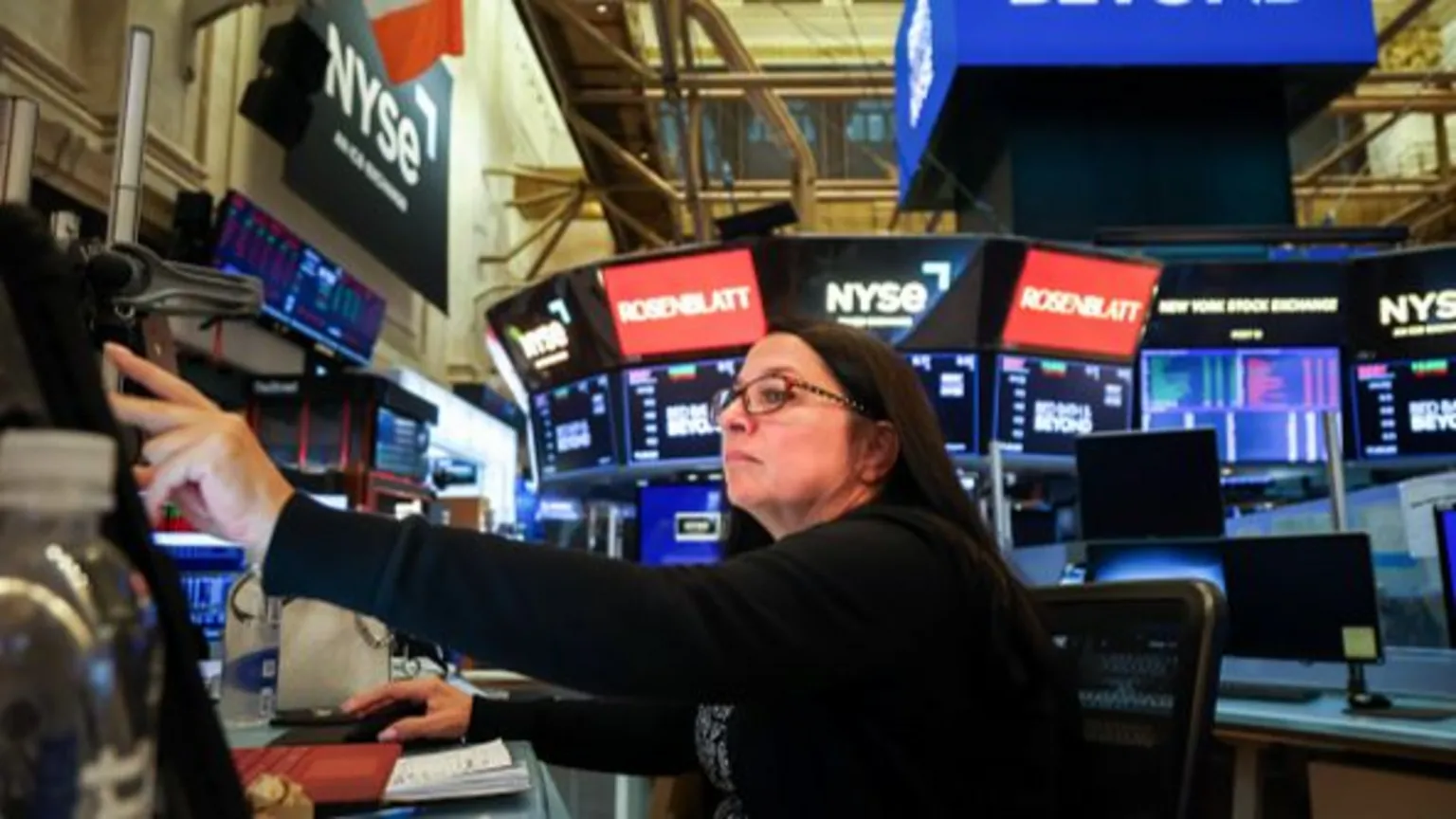
The US stock market is closing 2025 on a notably strong footing after one of the most turbulent years investors have faced in more than a decade. Sharp swings driven by global trade policy, aggressive investment in artificial intelligence, and uncertainty around interest rates repeatedly tested market confidence. Yet, by the final weeks of the year, major indexes were not only recovering. They were setting new highs. This underscores how resilient US equities have become despite persistent macroeconomic risks.
The S&P 500 is finishing the year with gains of roughly 17%, marking a third straight year of double-digit returns. The Nasdaq Composite, powered by technology and AI-focused companies, has climbed more than 20%. The Russell 2000 has also advanced, which signals that investor appetite extended beyond the largest corporations. Platforms tracking broad market performance, such as the data available through https://www.nasdaq.com, show how quickly sentiment shifted from fear in the spring to optimism by late summer.
Tariffs, volatility, and a rapid rebound
Early 2025 reminded investors how quickly political decisions can shake markets. Announcements of expanded US trade tariffs triggered sharp sell-offs, briefly pushing major indexes toward bear-market territory. Concerns centered on higher input costs, weaker global demand, and the possibility that prolonged trade tensions could slow economic growth. However, as tariff measures were softened and negotiations resumed, markets staged a rapid recovery that surprised many analysts.
Corporate earnings played a decisive role in stabilizing sentiment. Companies across sectors reported profits that exceeded expectations. They were helped by strong consumer spending and continued productivity gains. Financial data compiled by firms such as https://www.morningstar.com illustrates that earnings growth was not confined to a handful of mega-cap stocks but spread more broadly across the market as the year progressed.
At the same time, alternative assets benefited from investor caution. Gold prices surged nearly 70% year over year as traders sought hedges against geopolitical and policy risk. Digital assets, by contrast, struggled to maintain momentum, reminding investors that risk appetite can shift quickly when macro conditions change.
Artificial intelligence reshapes market leadership
Artificial intelligence was arguably the defining investment theme of 2025. Massive capital expenditures by technology leaders transformed AI from a growth narrative into a dominant force. It influenced valuations, hiring, and long-term strategy. Companies such as Nvidia, Apple, Microsoft, Amazon, and Alphabet now account for nearly 30% of the S&P 500. This reflects how concentrated market leadership has become.
Investor enthusiasm for AI infrastructure and applications drove significant inflows. However, it also raised questions about sustainability. Valuations in parts of the tech sector reached levels that prompted comparisons to past market bubbles. Research from consulting firms like https://www.mckinsey.com highlights how global spending on data centers and AI systems is expected to reach trillions of dollars by the end of the decade. This reinforces both the scale of opportunity and the magnitude of risk.
By the second half of the year, signs emerged that growth was broadening beyond technology. Mid-sized and smaller companies began posting stronger earnings, suggesting that AI-driven productivity gains may be diffusing throughout the economy. This rotation helped stabilize the market, even as scrutiny of Big Tech valuations intensified.
Economic growth, policy risk, and the 2026 outlook
The broader US economy exceeded expectations in 2025, expanding at an annualized rate above 4% in the third quarter. Strong growth supported equity markets, but underlying concerns remain. The unemployment rate has edged higher. Investors are closely watching how labor market softness might affect consumer spending in 2026.
Monetary policy is another major variable. A leadership transition at the Federal Reserve is expected in the coming months. Markets are already pricing in potential changes to interest-rate policy. Lower borrowing costs could support further gains in equities. Yet, any perception of political pressure on central bank independence may introduce fresh volatility. Market participants regularly monitor policy signals through official releases and analysis available at https://www.federalreserve.gov.
Trade negotiations also remain a wildcard. Even modest changes in tariff policy could ripple through supply chains and corporate earnings forecasts. As 2026 approaches, investors are balancing optimism about continued growth with caution about policy shocks that could trigger pullbacks.
The US stock market’s strong finish to 2025 reflects a year defined by adaptation. Despite sharp swings, rising geopolitical tensions, and debates over AI valuations, equities demonstrated an ability to absorb shocks and recover quickly. That resilience will be tested again in 2026. Investors will navigate a landscape shaped by technological transformation, evolving trade relationships, and pivotal decisions on monetary policy.