Mounting pressure to restore a vital global shipping route
U.S. officials are intensifying efforts to prevent a prolonged shutdown of the Strait of Hormuz, a critical artery for global energy flows. Behind closed doors, policymakers acknowledge that reopening the passage is far more complex than anticipated, with no immediate or guaranteed solution in sight.
The waterway, responsible for transporting a significant share of the world’s oil supply, has become a focal point of geopolitical tension. Analysts warn that even a temporary disruption can send shockwaves through international markets, affecting everything from fuel prices to supply chains.
Within defense circles, internal projections have explored scenarios in which the closure could extend for weeks or even months, depending on how effectively military operations degrade Iran’s capabilities. While officials emphasize that such projections represent worst-case planning, the uncertainty has forced strategic recalibration across agencies, including the <a href=”https://www.dia.mil”>Defense Intelligence Agency</a>.
At the same time, the pace and intensity of military operations continue to influence the timeline. As airstrikes and naval actions target key assets, the situation on the ground—and at sea—remains fluid, with daily shifts in risk assessments and operational priorities.
Military options expand amid persistent risks
To counter the threat, the United States has increased its military presence and deployed advanced systems designed to secure maritime routes. Operations led by the <a href=”https://www.defense.gov”>U.S. Department of Defense</a> now include aerial surveillance, targeted strikes on hostile vessels, and defensive measures aimed at intercepting drones and missiles.
Despite these efforts, the challenge extends beyond conventional warfare. Iran retains the ability to disrupt shipping through unconventional tactics, including the use of small, fast-moving boats, underwater mines, and improvised attack methods. These tools, while less sophisticated, complicate defense strategies and require constant vigilance.
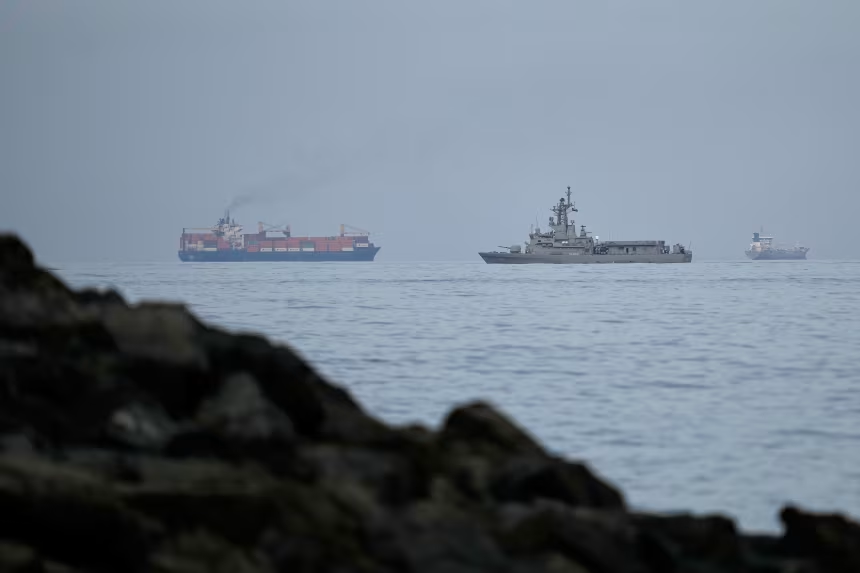
Naval escorts for commercial tankers have emerged as one possible solution, but they come with significant logistical demands. Protecting a single vessel may require multiple warships, stretching resources across a waterway that spans nearly 100 miles.
There is also the question of escalation. Deploying additional forces or establishing a sustained military presence in the region could deter attacks, but it would also increase the risk of direct confrontation. Strategic decisions must balance deterrence with the potential for broader conflict, particularly in such a confined and heavily trafficked maritime corridor.
Diplomatic limits and economic stakes intensify
Parallel to military planning, diplomatic efforts have sought to build international support for securing the strait. However, attempts to form a unified coalition have faced resistance, with several allies hesitant to commit resources to what could become an extended and unpredictable engagement.
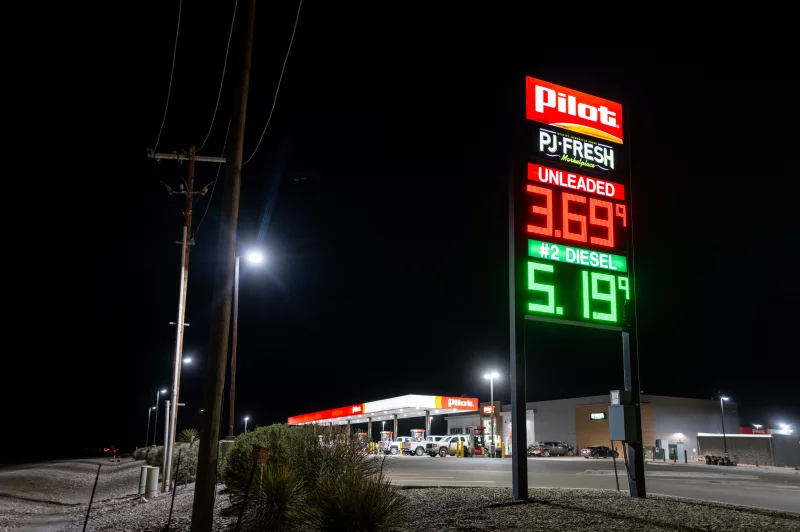
Economic pressures are mounting as the disruption continues. The flow of oil and liquefied natural gas through the region underpins global energy stability, and any sustained interruption could push prices higher and strain economies worldwide. Monitoring of shipping activity and trade flows, often tracked through platforms like <a href=”https://www.marinetraffic.com”>MarineTraffic</a>, has highlighted the scale of the slowdown and its ripple effects across global logistics.
Meanwhile, the broader implications for international trade are drawing attention from organizations such as the <a href=”https://www.imf.org”>International Monetary Fund</a>, where concerns are growing over inflationary pressures and economic volatility tied to energy supply disruptions.
Even if military operations succeed in weakening Iran’s offensive capabilities, restoring confidence among commercial shipping operators remains a separate challenge. Tanker companies and insurers must be convinced that the route is safe enough to resume operations at scale, a process that depends not only on security guarantees but also on the perceived durability of those assurances.
The evolving situation underscores how control over a narrow stretch of water can carry disproportionate influence over global markets, strategic calculations, and the pace of international trade.