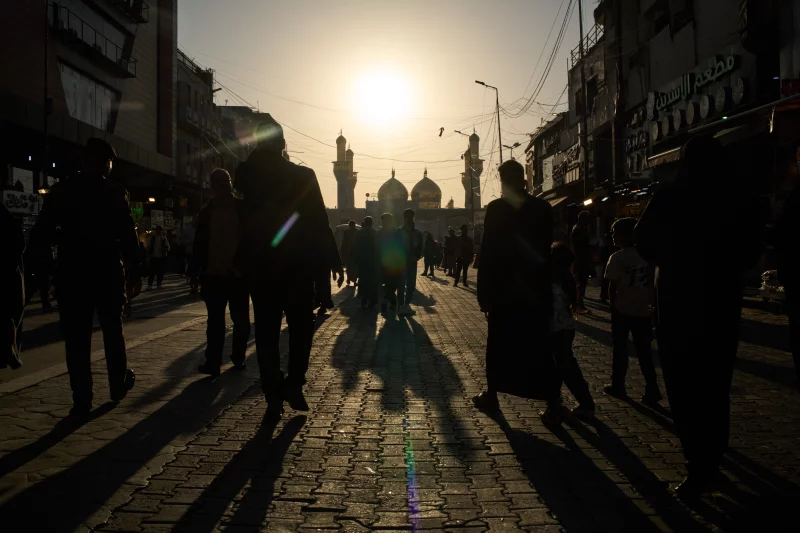
Kidnapping Raises Alarm for Foreign Nationals
A U.S. journalist has been abducted in Baghdad, intensifying concerns about the safety of foreign nationals as instability deepens across the region. The reporter, identified as an American contributor working in conflict zones, was taken after growing threats from armed groups aligned with Iran targeting U.S. citizens.
Authorities in Iraq confirmed that at least one individual connected to the kidnapping has been detained, though details remain limited. The incident underscores the increasingly volatile environment in the country, where security risks have surged in parallel with the broader regional conflict.
Officials monitoring the situation have acknowledged the case but have not released further specifics, citing privacy and operational considerations. Meanwhile, warnings urging Americans to leave Iraq have gained urgency, reflecting heightened fears of additional abductions or attacks.
The kidnapped journalist, known for covering conflicts in Iraq, Syria, and Afghanistan, had been operating as a freelance correspondent based in Europe. Her work frequently involved reporting from high-risk environments, where political tensions and militant activity remain persistent threats.
Escalating Conflict and Regional Spillover
The kidnapping comes amid intensifying military activity across the Middle East. Overnight developments included attacks on oil infrastructure and defensive operations involving missiles and drones in the Gulf region. In one incident, a tanker near a major commercial hub was struck, triggering a fire that was later contained without reported casualties or environmental damage.
Defense systems in several Gulf states have been activated in response to incoming threats, highlighting the widening geographic scope of the conflict. At the same time, missile strikes have been reported in Israel, with emergency responders deployed to impacted areas as casualties are assessed.
Military operations have also expanded beyond initial conflict zones. Airstrikes targeting strategic infrastructure have been reported in key urban centers, while ground offensives continue in neighboring territories. The ongoing escalation has contributed to a mounting humanitarian toll, with thousands affected by sustained hostilities.
Amid these developments, international diplomatic tensions have sharpened. Disagreements between allied nations over military involvement and strategic priorities have become more visible, complicating coordinated responses to the crisis.
Global Repercussions and Security Concerns
The broader implications of the conflict are being felt worldwide, particularly in energy markets and global security frameworks. Disruptions to critical shipping routes have contributed to volatility in oil supplies, prompting governments to reassess contingency plans.
International organizations are also responding to the deteriorating situation. An emergency session of the United Nations Security Council has been convened following the deaths of peacekeepers in a separate but related escalation. The incident has prompted calls for accountability and a comprehensive investigation.
Meanwhile, digital infrastructure and communication channels are increasingly under strain. Reports of restricted internet access and arrests tied to satellite connectivity services have raised concerns about information blackouts. Technologies such as Starlink have become critical tools for maintaining connectivity in restricted environments, though their use has also drawn scrutiny.
Military coordination between allied forces continues as well, with leadership figures engaging in strategic discussions to address evolving threats. According to updates shared through U.S. Central Command, operations are ongoing to counter regional destabilization and protect key interests.
At the same time, humanitarian and diplomatic efforts remain active through international bodies like the International Committee of the Red Cross, which is working to address the growing needs of civilians affected by the conflict.
The abduction in بغداد reflects the intersection of these overlapping crises, where geopolitical tensions, military escalation, and civilian risk converge in an increasingly unpredictable landscape.