Musk’s Comments Revive Debate Over H-1B Abuse and Outsourcing Practices
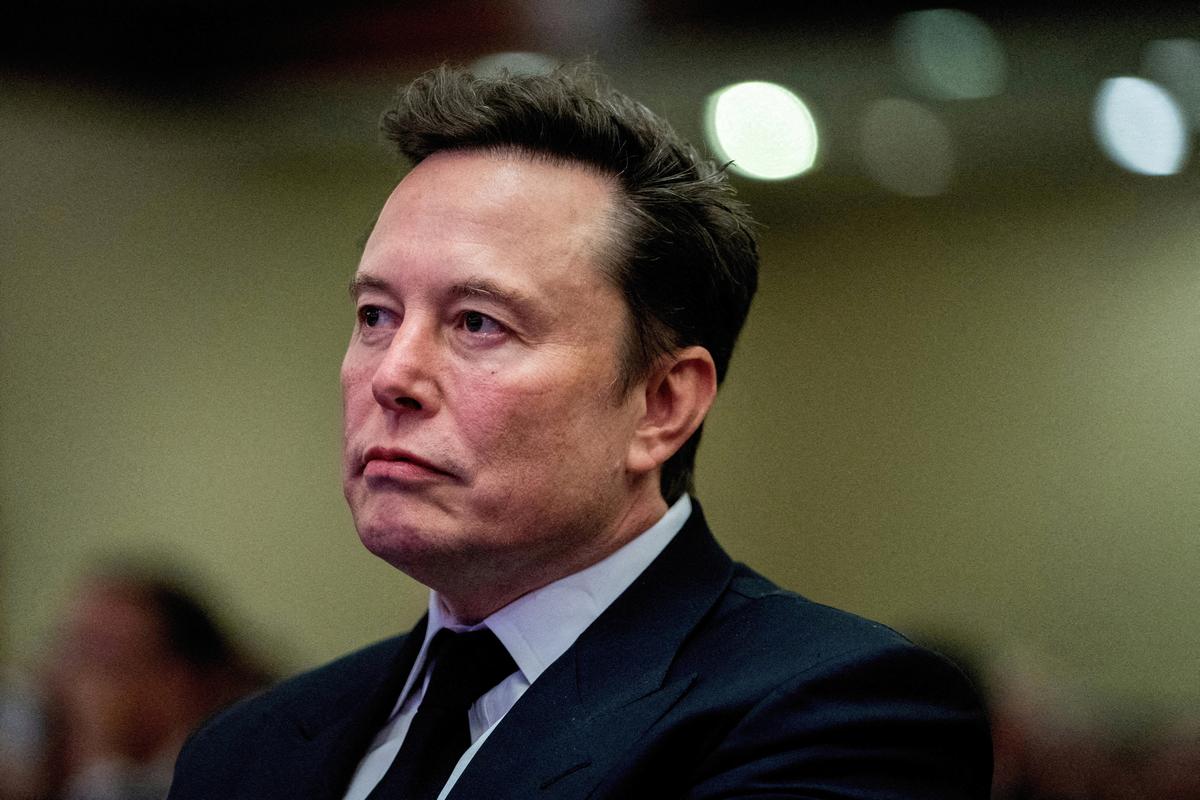
Elon Musk’s recent remarks about manipulation within the H-1B visa system have intensified scrutiny over how outsourcing companies navigate federal rules designed to bring highly skilled workers into the United States. While Musk reaffirmed that skilled immigration has long strengthened the country’s technological and scientific leadership, he emphasized that repeated misuse of the program threatens its credibility. His comments highlighted widespread concerns about H-1B visa abuse in certain U.S. outsourcing firms, as some staffing firms have exploited loopholes by submitting multiple lottery entries for the same applicant or by prioritizing lower-cost contract labor instead of specialized technical roles.
The debate has sharpened as employers adjust to a $100,000 application fee introduced this year, a change that has created new financial pressures for firms dependent on foreign talent. Economists warn that such steep costs may push companies to reevaluate recruitment strategies or rely more heavily on domestic hiring pools. In sectors such as artificial intelligence and healthcare, where labor shortages are acute, these shifts are prompting complex HR planning and increased consultation of regulatory guidance from resources like USCIS.gov to ensure compliance with evolving requirements.
Indian Tech Workers Face New Uncertainty as Approval Numbers Decline Sharply
For thousands of skilled Indian professionals, the H-1B system has long represented a critical pathway to U.S. career opportunities. The decline in approvals for these professionals highlights concerns about H-1B visa abuse by U.S. outsourcing firms. Yet recent data indicating a decade-low level of visa approvals for major Indian outsourcing firms has deepened concerns within the global technology workforce. The top seven Indian companies received only 4,573 approvals for initial employment this year—a striking 70% decline since 2015 and 37% fewer than in 2024. Analysts point out that this shift reflects both regulatory tightening and the government’s efforts to curb practices seen as undermining the intent of the program.
Workers and employers are increasingly turning to immigration policy resources, including MigrationPolicy.org , to interpret changing eligibility criteria and long-term trends. For many candidates, the heightened uncertainty coincides with rising competition from multinational corporations that can absorb higher application fees or sponsor fewer but more specialized roles. Despite the challenges, U.S. demand for high-skill labor in cybersecurity, software engineering, and biotech remains robust, setting the stage for continued debate over whether current reforms strike the right balance between attracting talent and minimizing systemic abuse.
Tariffs and Trade Tensions Add Pressure to U.S.–India Economic Relations
Musk also addressed broader economic tensions shaping the current political landscape, particularly the expanding role of tariffs in U.S. trade policy. He noted that he had attempted—unsuccessfully—to persuade the administration that sweeping tariffs can distort markets and create long-term inefficiencies. This year, the United States imposed 50% tariffs on a range of Indian goods, including an additional 25% penalty related to Russian oil purchases. These measures have had financial repercussions for exporters, many of whom operate on narrow margins and now face restructuring costs as they adjust supply chains and pricing models.
Despite these challenges, both nations continue to pursue negotiations aimed at reaching a mutually beneficial trade agreement by year’s end. Business groups monitoring the discussions often rely on economic analysis from platforms such as Trade.gov to understand how tariff schedules and regulatory changes may affect annual revenue forecasts. Indian exporters, meanwhile, confront some of the highest levies among major trade partners, even as other countries secure preferential deals with the United States. The convergence of visa reforms, tariff disputes, and global labor mobility issues, including potential visa misuse by outsourcing firms, is shaping one of the most consequential periods in recent U.S.–India economic relations.
Employers Prepare for Long-Term Adjustments in Talent Strategy and Compliance
Across the technology, engineering, and research sectors, employers are reassessing long-term hiring strategies in response to shifting visa policies and rising operational costs. HR departments increasingly evaluate whether to sponsor fewer foreign workers at higher financial risk or expand domestic apprenticeship and training programs to close skills gaps internally. Compliance teams use data from independent labor and policy organizations like PewResearch.org to forecast how political shifts may affect approval rates, denial trends, and enforcement actions.
At the center of this transformation is the question Musk raised: how to protect the integrity of the H-1B program while preserving America’s ability to attract global talent. Many executives argue that eliminating the system would harm innovation and reduce the country’s competitiveness, while others insist that without stronger safeguards, exploitation will continue, especially by outsourcing firms. As policymakers debate the next round of reforms, both workers and companies face an increasingly complex environment where immigration rules, trade tensions, and economic priorities intersect more tightly than ever.