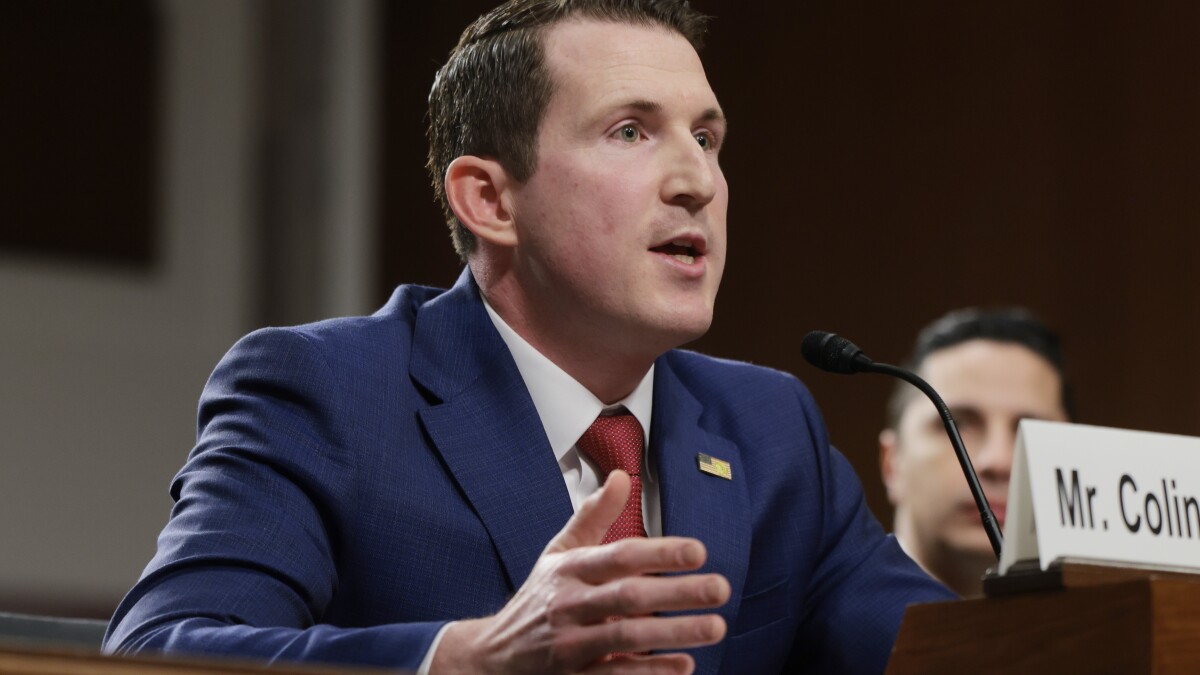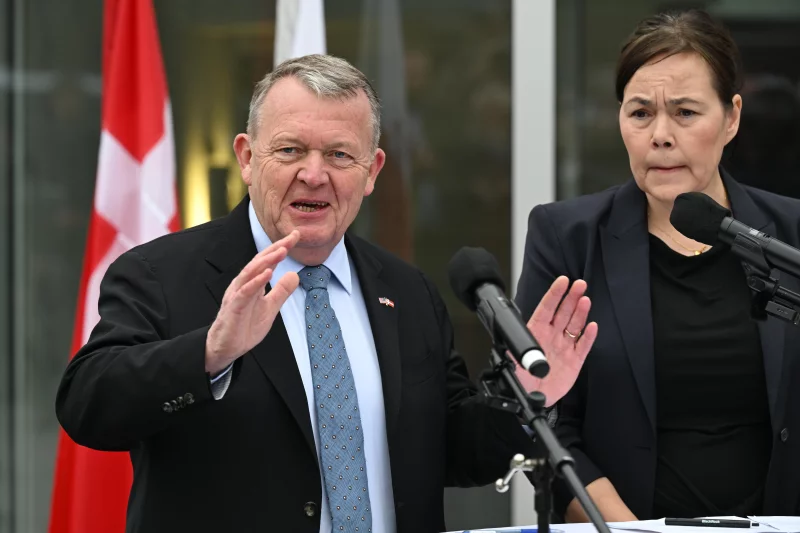
Denmark has confirmed a deep and ongoing disagreement with the United States over Greenland, reinforcing its position that the Arctic territory is not negotiable despite escalating rhetoric from Washington. The dispute has moved beyond diplomatic language into a broader debate over security, sovereignty, and the future balance of power in the Arctic, where climate change is rapidly altering strategic calculations.
Greenland, a self-governing territory within the Kingdom of Denmark, occupies a pivotal position between North America and Europe. As polar ice retreats, shipping routes shorten and access to rare earth minerals becomes more viable, intensifying global competition. Danish officials insist that any dialogue with Washington must respect national sovereignty while addressing shared security concerns within established alliances such as NATO.
Washington’s Strategic Argument and Denmark’s Red Lines
The U.S. administration has framed Greenland as essential to American national security, citing missile defense, Arctic surveillance, and growing Chinese and Russian interest in the region. From Denmark’s perspective, however, these concerns do not justify a transfer of control. Copenhagen has emphasized that security cooperation already exists and can be expanded without altering Greenland’s political status.
Denmark argues that the United States already operates under long-standing agreements that allow military activity on the island, including air and radar installations. These arrangements, anchored in Cold War–era treaties, give Washington broad operational access while preserving Danish and Greenlandic authority. Officials stress that strengthening cooperation within existing frameworks is preferable to destabilizing the region with unilateral demands.
Greenland’s own government has echoed this stance. Leaders in Nuuk have underlined that decisions about the island’s future must involve its population directly, pointing to the territory’s democratic institutions and its evolving role within the Kingdom of Denmark, as outlined by the Government of Greenland.
Arctic Militarization Accelerates Across NATO Allies
As rhetoric intensifies, Denmark has announced a measurable increase in its military footprint across the Arctic and North Atlantic. This includes expanded air patrols, naval deployments, and joint exercises with allied forces. The goal, according to defense officials, is deterrence through presence rather than escalation through confrontation.
The Danish Ministry of Defence has confirmed that allied participation is already underway, reflecting broader NATO concern over Arctic stability and freedom of navigation. Sweden and Norway, both deeply invested in northern security, have signaled readiness to coordinate operations as ice melt reshapes access routes and raises the stakes for infrastructure protection. These initiatives align with Denmark’s broader Arctic defense planning, detailed by the Danish Ministry of Defence.
From Copenhagen’s viewpoint, this buildup strengthens collective security while reinforcing the message that Arctic governance should remain cooperative, rules-based, and anchored in international law rather than driven by territorial acquisition.
Greenland’s Resources, Climate Change, and the Global Stakes
Beyond military strategy, Greenland’s untapped mineral reserves have become a focal point in the dispute. Rare earth elements critical for electronics, renewable energy systems, and advanced defense technologies are increasingly central to global supply chains. As access improves, so does interest from major economies seeking to reduce dependency on single-source suppliers.
Climate change accelerates this shift, opening waters that were once impassable and making extraction projects more feasible. Denmark and Greenland maintain that any development must proceed responsibly, balancing economic opportunity with environmental protection and local consent. They argue that external pressure risks undermining these priorities and destabilizing a region already undergoing rapid transformation.
For the United States, Arctic dominance is tied to broader defense initiatives, including missile detection and early-warning systems managed through the U.S. Department of Defense. Danish officials counter that these objectives can be achieved through partnership rather than ownership, warning that aggressive positioning could strain alliances at a time when cohesion is strategically vital.
As talks continue, Greenland has emerged not merely as a geographic asset but as a symbol of how power, climate, and sovereignty intersect in the 21st century. The outcome of this dispute is likely to shape Arctic governance for decades, setting precedents for how nations navigate security concerns without redrawing borders.