The United States has ordered the evacuation of diplomatic personnel from several Middle Eastern posts as hostilities with Iran intensify, signaling that Washington is preparing for the possibility of a drawn-out conflict. Drone strikes targeting U.S. facilities in the Gulf, coupled with expanding Israeli ground and air operations, have heightened fears that the regional war could stretch well beyond initial expectations.
President Donald Trump indicated that military operations might last four to five weeks, but warned they could extend even further. In public remarks shared through the official platform of the White House, he suggested that the United States possesses extensive military resources capable of sustaining a long campaign. Defense officials have acknowledged casualties among American service members and cautioned that further losses remain possible as tensions escalate.
Embassy Closures and Regional Evacuations Expand
The U.S. Embassy in Saudi Arabia urged American citizens to avoid its compound after drones struck the facility in Riyadh, causing minor structural damage and limited fires. Saudi authorities described the incident as a direct Iranian attack on diplomatic infrastructure. No immediate injuries were reported, but security measures were tightened across the kingdom.
In Kuwait, the American embassy suspended operations following a similar strike, while diplomatic personnel were evacuated from Jordan’s capital, Amman, amid credible threats. The U.S. Department of State instructed non-emergency staff to depart multiple missions throughout the region, citing serious safety risks.
Americans were urged to leave more than a dozen countries and territories, including Bahrain, Egypt, Iran, Iraq, Israel, Jordan, Kuwait, Lebanon, Oman, Qatar, Saudi Arabia, Syria, the United Arab Emirates and Yemen. Departures have become increasingly complicated as commercial flights are canceled and some airports temporarily close due to security concerns.
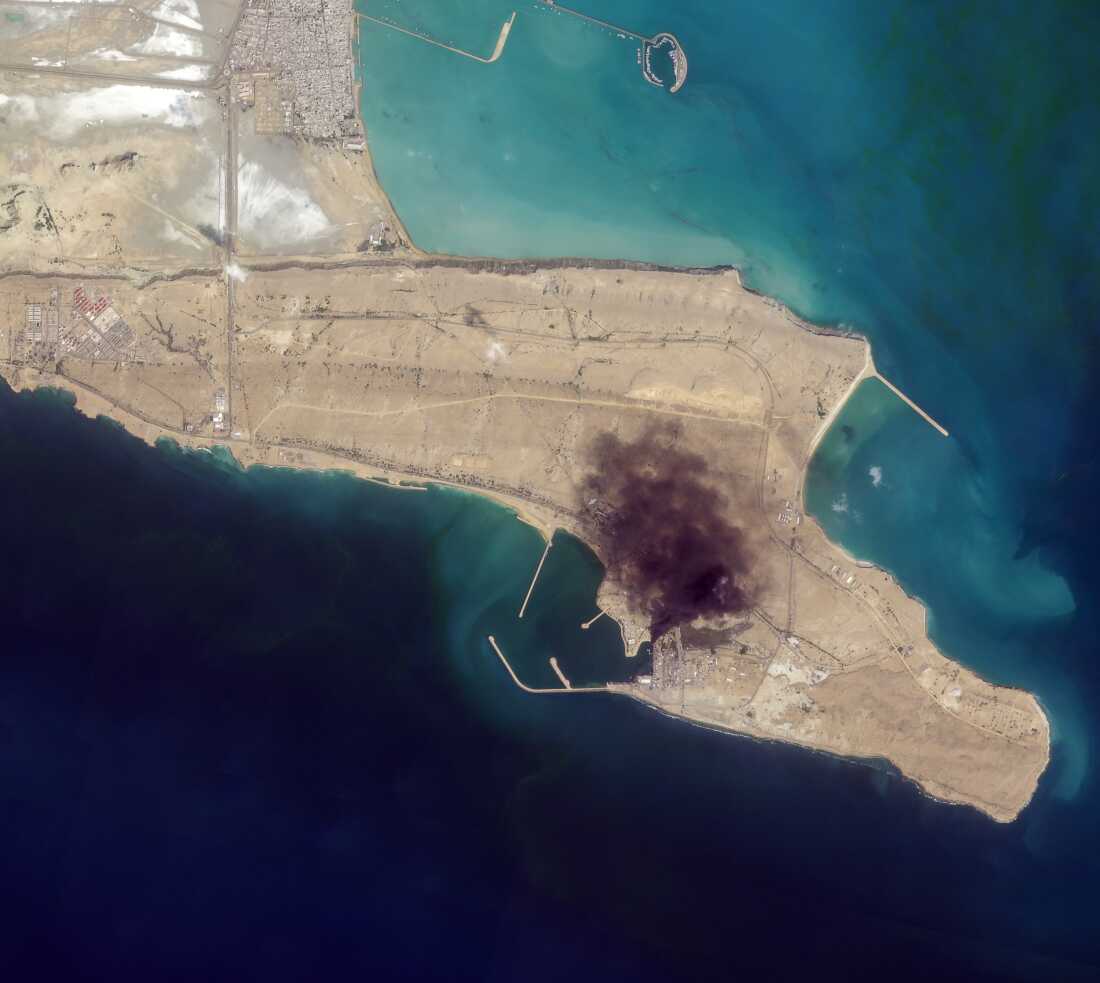
Meanwhile, Iran has expanded retaliatory strikes beyond military targets, hitting commercial infrastructure in Gulf nations traditionally considered stable. Technology and logistics companies reported operational disruptions after drone attacks damaged facilities in the United Arab Emirates and Bahrain, illustrating the widening economic footprint of the conflict.
Israel Intensifies Operations in Lebanon and Iran
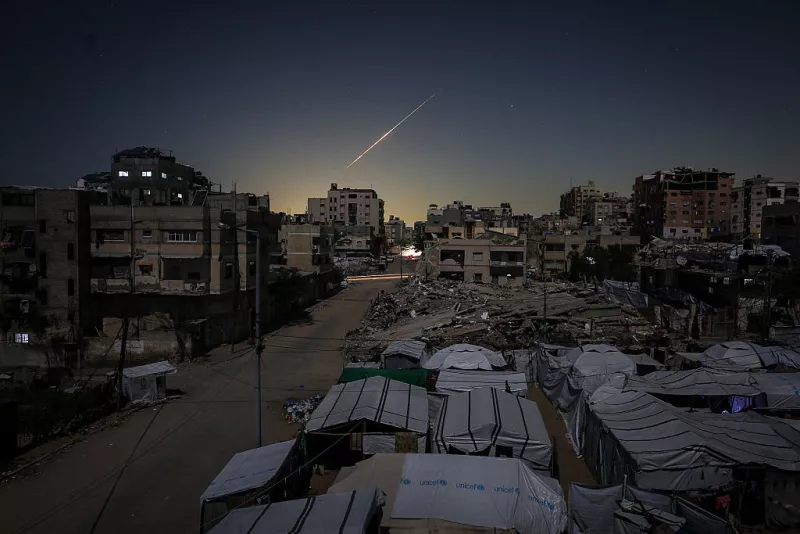
Israel confirmed that its forces entered southern Lebanon, describing the move as a tactical operation designed to reinforce security along its northern border. Airstrikes targeted Hezbollah command centers and weapons depots in Beirut’s southern suburbs, displacing thousands of civilians. Lebanese authorities reported dozens of fatalities since the latest escalation began, with shelters overwhelmed by families fleeing bombardments.
The Israeli military also continued strikes inside Iran, targeting intelligence facilities and missile infrastructure. Explosions were reported in Tehran and other cities as Israeli officials said their focus had shifted toward disabling Iran’s missile launch capabilities. According to figures released by the Iranian Red Crescent Society, at least 787 people have been killed across more than 150 cities since the conflict intensified.
Iranian missile attacks on Israel have declined in recent days, raising speculation among analysts that Tehran may be conserving munitions in anticipation of a prolonged confrontation. Israeli authorities maintain that their objective is to significantly degrade Iran’s military capacity within weeks, though regional observers caution that such timelines are difficult to predict.
Strait of Hormuz Closure Threatens Global Energy Flows
Iran has declared the Strait of Hormuz closed, warning that vessels attempting to pass through the narrow waterway could be targeted. The strategic corridor handles nearly 20% of global oil consumption and a substantial share of liquefied natural gas shipments, making it one of the world’s most critical energy chokepoints.
Energy markets reacted swiftly. Oil prices climbed sharply at the start of the week, while natural gas prices in Europe and Asia surged amid fears of supply disruptions. Onshore strikes in Qatar reportedly hit infrastructure near Ras Laffan, the world’s largest liquefied natural gas export facility, prompting production suspensions.
Data tracked by the U.S. Energy Information Administration show that strategic petroleum reserves may cushion some oil supply shocks. Natural gas, however, presents a more immediate vulnerability because storage levels are seasonally low at the end of winter in several importing regions.
The broader economic impact is already being felt across financial markets, shipping routes and energy-dependent industries, with governments and corporations scrambling to assess contingency plans as the conflict deepens across multiple fronts.