Washington Seeks New Paths to Break Diplomatic Deadlock
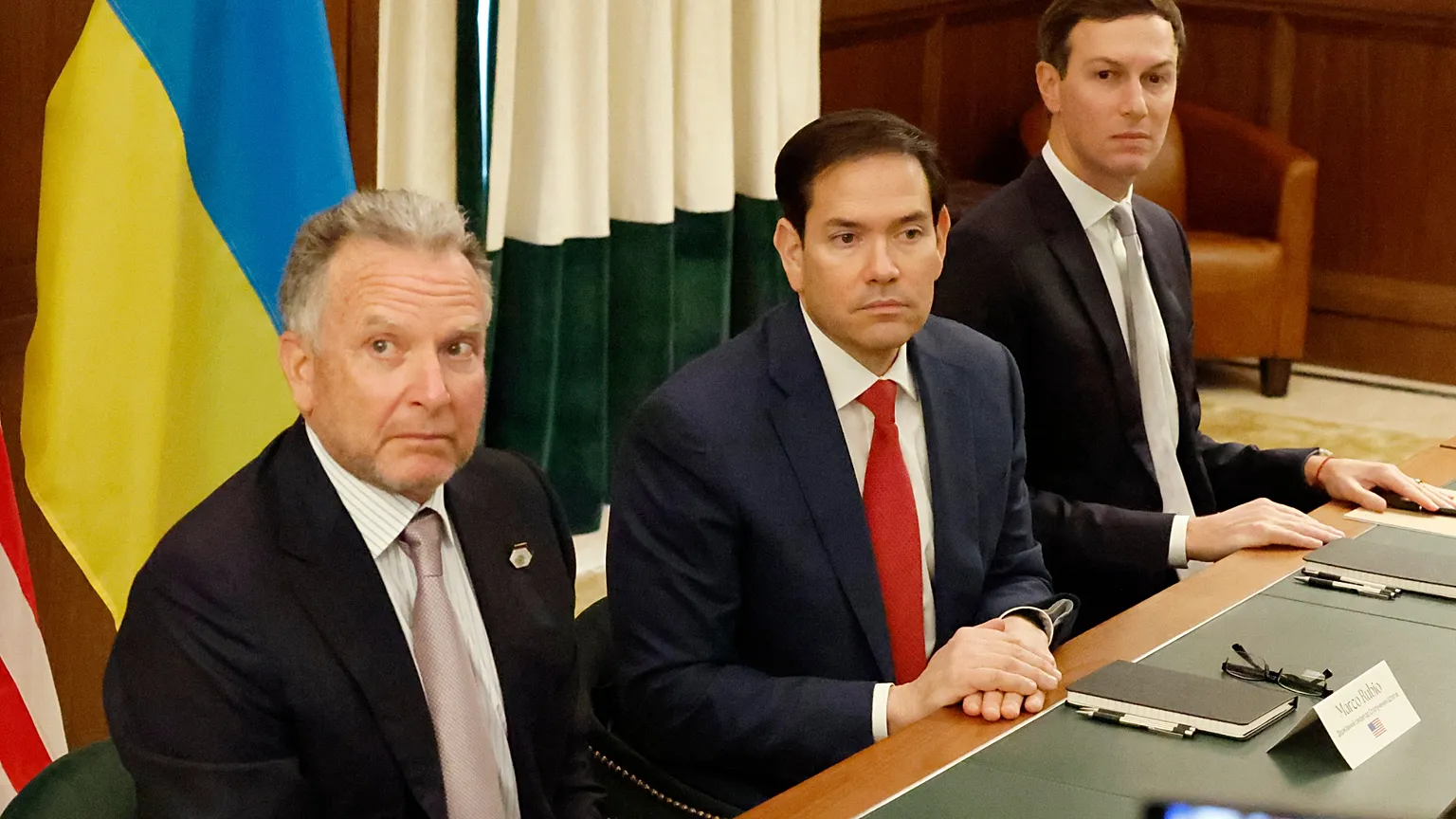
A new phase of negotiations between the United States and Ukraine is unfolding as American diplomats intensify efforts to develop a peace framework capable of halting the ongoing conflict with Russia. Behind closed doors, U.S. officials are working to craft proposals that address Moscow’s demands while preserving Kyiv’s core constitutional principles, particularly the long-held ambition to pursue Euro-Atlantic integration.
The latest rounds of talks show Washington experimenting with highly sensitive formulations that attempt to bypass the most difficult political obstacles. For example, instead of demanding that Ukraine formally renounce its future prospects for NATO membership, negotiators are exploring mechanisms where alliance members and Moscow could negotiate parallel arrangements that effectively restrict Ukraine’s entry without obligating Kyiv to legally abandon its aspirations.
This approach reflects growing urgency within the U.S., as the conflict continues to strain European stability and global supply chains. Analysts following regional dynamics often reference the evolving security environment in Eastern Europe, with resources such as the Council on Foreign Relations offering detailed background on shifting geopolitical risks. American officials hope that new formulations—ones that do not directly violate Ukrainian sovereignty—may create the diplomatic space needed to restart a stalled peace process.
Territorial Security Proposals Challenge Negotiators
Territorial issues remain one of the most difficult aspects of the peace proposals being discussed between U.S. and Ukrainian delegations. The United States has floated the idea of a demilitarized zone in parts of the Donbas, a concept that would allow Russia administrative involvement without enabling a military foothold that could threaten Ukrainian security. However, Kyiv views this as dangerously close to conceding strategic ground in areas holding some of the most fortified defensive positions in the country.
Sources familiar with the discussions emphasize that Ukraine will not be pressed into accepting any arrangement that weakens its long-term defense posture. Ukrainian officials remain especially wary of scenarios that could grant Russia influence over areas essential to national resilience. As negotiations continue, references to international security analyses—such as those available from NATO’s official information portal become critical in understanding how any territorial compromise could reshape regional defense structures.
Adding to the complexity is Russia’s insistence on solidifying its claims over regions it has annexed but not fully captured. American negotiators are searching for alternatives that preserve Ukrainian constitutional integrity while still addressing Moscow’s insistence on territorial recognition. The balancing act requires navigating political landmines on both sides, and U.S. officials privately acknowledge that achieving even partial consensus will require sustained diplomatic pressure.
Kremlin Response Looms as U.S. Envoys Prepare for Moscow Talks
The next challenge facing U.S. diplomats is convincing Russia to accept any new peace framework. Washington anticipates that Moscow may resist proposed compromises, especially those that fail to guarantee the political and territorial concessions the Kremlin has demanded since the start of the war. Still, American officials believe that shaping a package that avoids forcing explicit Ukrainian renunciations—while offering Russia indirect mechanisms for security assurances—could make the negotiations more palatable.
As preparation for upcoming discussions in Moscow continues, Ukrainian and American delegations are coordinating closely. Ukrainian leadership is reportedly holding frequent briefings with Western allies, including the United Kingdom and France, to ensure alignment during this critical stage. Observers following security trends often turn to analytical resources such as Chatham House to interpret how these evolving negotiations may influence future European diplomacy.
At the same time, international economic considerations remain at play. The conflict has reshaped energy markets, trade policies and cross-border supply chains. American officials are increasingly aware that long-term instability in Eastern Europe could have lasting global repercussions. Analysts tracking international market shifts frequently consult data hubs like the World Bank to gauge how continued conflict might depress regional growth or disrupt export-dependent sectors.
With U.S. envoys preparing to meet Kremlin officials, the diplomatic balancing act grows more delicate. The coming weeks will reveal whether the evolving peace frameworks can survive the Kremlin’s scrutiny—or whether Moscow will insist on maximalist demands that derail negotiations. For now, Washington maintains cautious optimism that carefully crafted proposals may open a narrow path toward de-escalation, even as tensions remain high and the political stakes on all sides continue to grow.