Federal Guidance Targets Applicants Linked to Digital Oversight Work
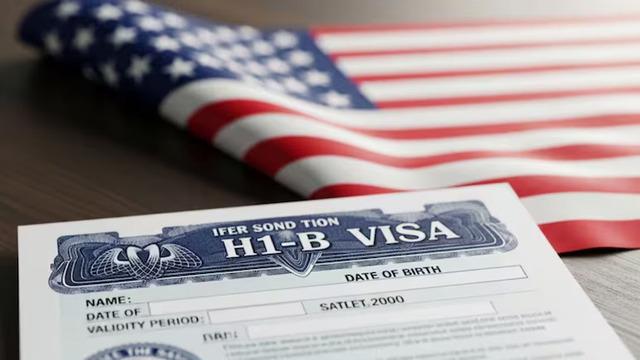
The U.S. State Department has issued new instructions that require consular officers to deny visas to applicants who have previously worked in areas the administration now categorizes as involvement in “censorship.” The directive applies primarily to H-1B visa applicants, a category widely used in the technology sector for roles in software engineering, cybersecurity, and artificial intelligence development. The decision marks a significant tightening of federal immigration scrutiny toward individuals engaged in fact-checking, content moderation, compliance analysis, and other trust-and-safety functions.
In the memo, consular officials are instructed to determine whether an applicant participated in activities such as flagging misinformation, moderating user content, monitoring fraudulent behavior, or designing systems intended to reduce harmful online interactions. The guidance states that applicants found to be “responsible for or complicit in censorship of protected expression” should be deemed ineligible for visas. The policy aligns with the administration’s broader view that online platforms unfairly limit certain political perspectives and that foreign workers should not participate in those decisions.
Expanded Screening of Work History and Digital Footprint
The directive requires officers to conduct a comprehensive review of applicants’ professional backgrounds, including resumes, public online profiles, and mentions in digital publications. These reviews cover fields associated with digital oversight such as fact-verification projects, misinformation research, platform compliance, automated moderation systems, and trust-and-safety operations in global technology companies.
As part of the broader shift, the State Department also announced that H-1B applicants and their dependents must make their social media profiles “public” for review. This adds a new layer of scrutiny to the visa process and raises concerns among legal and academic experts about potential implications for free expression. Professionals who specialize in online safety argue that their work helps prevent harm ranging from financial scams to abuse targeting minors, noting that global teams with diverse language skills are essential for addressing emerging digital threats.
To understand how these roles function in practice, many applicants reference fields such as online security, cybercrime prevention, and digital rights education. Areas like these are closely tied to the broader ecosystem of platform integrity, often connected to resources such as
cybersecurity insights from CISA,
best-practice frameworks like those on the National Institute of Standards and Technology,
user-safety education from the Federal Trade Commission,
and ongoing academic research on speech and technology from institutions such as Harvard’s Berkman Klein Center.
These topics frequently appear in the professional portfolios of applicants now subject to intensified review.
Growing Debate Over Free Expression and Immigration Policy
The policy has intensified the national conversation about how the government defines censorship and who is responsible for regulating harmful online content. Constitutional scholars warn that labeling fact-checking or moderation work as “censorship” may conflict with established free-speech principles. They argue that efforts to limit fraud, abuse, and digitally amplified threats fall within the protections of the First Amendment when conducted by private entities or independent researchers.
The administration, however, maintains that foreign workers should not influence decisions that govern what Americans can say or share online. Officials argue that previous actions by major platforms illustrate the risks of allowing non-citizens significant authority over digital expression. Supporters of the new guidance view it as a protective measure designed to ensure that online speech controls remain aligned with domestic values.
The memo arrives at a time when global conversations about digital governance, platform accountability, and online safety are increasingly shaping immigration frameworks. Companies in the technology sector rely heavily on H-1B workers for specialized roles, and the new criteria are widely expected to affect recruitment pipelines, internal compliance teams, and multinational trust-and-safety units.