Digital Screening Set to Expand for Visa-Waiver Travelers
The United States is preparing to introduce new requirements that would significantly expand the type of personal information collected from visitors who enter the country through the Visa Waiver Program. The proposal, currently open for public comment for 60 days, would require travelers from 42 participating countries to share five years of their social media activity, along with a decade’s worth of email history, phone numbers, and residential details for immediate family members. Authorities would also have permission to review IP addresses, metadata from electronically submitted photographs, and other traces of digital engagement.
The Visa Waiver Program has long been promoted as a streamlined entry system for citizens from partner nations who travel for tourism or business. Instead of undergoing a lengthy visa application, visitors pay a $40 fee and submit an online form through the Electronic System for Travel Authorization. Additional details on program eligibility are available through the U.S. Visa Waiver Program guidelines on travel.state.gov (https://travel.state.gov/content/travel/en/us-visas/tourism-visit/visa-waiver-program.html).
Social Media History Becomes a Mandatory Component
The new policy aims to align with directives introduced early in the administration, emphasizing national security and digital-era risk assessment. Authorities argue that social platforms can reveal indicators of behavior they consider relevant to travel eligibility, even though they have not clearly defined what types of posts or interactions may be interpreted as threatening. Under the proposal, content that includes discussions about casual drug use, weapons, or ideologies seen as hostile to the current administration could raise concerns during evaluation.
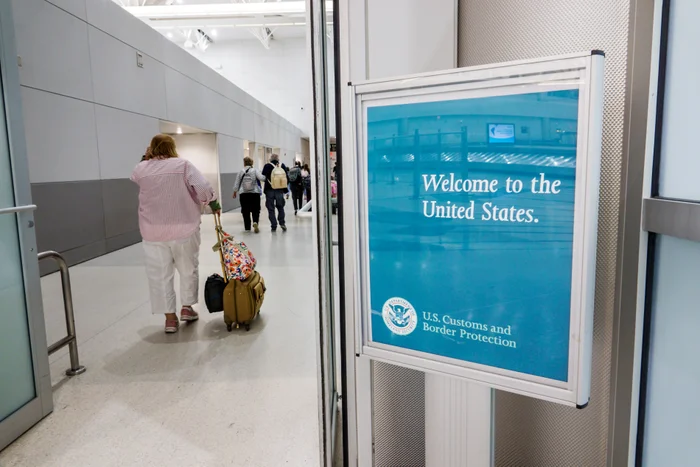
Travelers seeking to understand how border and customs processes function can consult the Customs and Border Protection overview page (https://www.cbp.gov/travel) for further context about inspection procedures at ports of entry. Legal specialists note that, although the government has previously requested digital information in specific cases, incorporating a mandatory social media review into the Visa Waiver Program would represent a major expansion in scope and discretion. In earlier implementations, officers conducted these checks at entry points on a case-by-case basis rather than as a standardized requirement.
Concerns Over Oversight, Guidelines, and Discretion
Some legal experts warn that the proposal lacks clear definitions regarding what qualifies as harmful or anti-U.S. behavior, leaving broad room for interpretation by individual officers. Because social media interactions include not only posts but also likes, comments, reposts, and tagged activity, the range of content under scrutiny could be extensive. Advisors recommend that prospective travelers be cautious about public online engagement, while also noting that deleting or hiding profiles may raise suspicions rather than reduce them.
Individuals seeking guidance on digital privacy can access resources such as the Cybersecurity & Infrastructure Security Agency’s online safety recommendations (https://www.cisa.gov/topics/online-safety) to better understand how their online behavior may be interpreted during official screenings. For those planning academic or long-term visits, reviewing the international student entry guidelines provided by studyinthestates.dhs.gov (https://studyinthestates.dhs.gov) may help anticipate how similar digital screening processes are applied in student visa evaluations.
As authorities debate the future of ESTA, the proposal includes a shift from a desktop-friendly online application to a fully mobile-based process, suggesting a redesign of the system’s technological infrastructure. This change could affect millions of travelers annually, particularly those accustomed to completing the ESTA application through traditional web browsers on personal computers. The policy marks another expansion of digital review measures affecting foreign visitors, international students, and various categories of workers seeking entry into the United States.