Higher Costs for International Travelers Visiting Top U.S. Parks
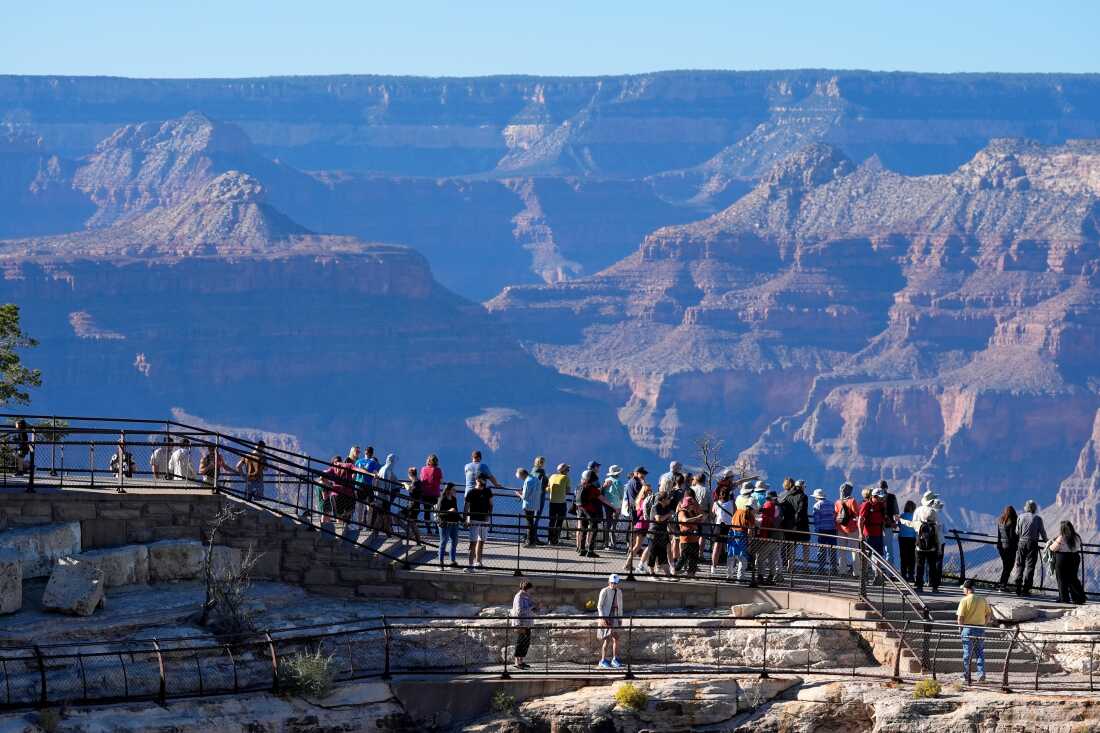
International visitors planning trips to iconic U.S. national parks will soon face a new financial hurdle as the National Park Service implements a $100 increase in entry fees for tourists from abroad. The updated policy — described as part of an “America-first entry fee” approach — specifically targets high-traffic parks such as Grand Canyon, Yosemite and Yellowstone, all of which attract millions of travelers each year. The change is set to begin on January 1 and is designed to create a new funding stream to help the park system handle significant operational strain caused by reduced staffing levels, federal budget cuts and outstanding repairs linked to the recent government shutdown. The agency noted that the new structure aims to ensure that international guests contribute more directly to the long-term preservation of these natural landmarks.
Impact on Annual Passes and Visitor Access Rules
Under the updated rules, the cost of an annual pass for foreign visitors will rise to $250, while U.S. residents will continue paying $80 for the same access. This decision has prompted immediate discussion among environmental organizations and tourism groups about how the increased fees could affect travel patterns and park visitation trends. The National Parks Conservation Association indicated it plans to seek clarity from the Department of the Interior regarding how these changes will be implemented across all affected locations.
While the fee increase may influence travel budgets, many international visitors consider national parks a central part of their U.S. experience. Popular websites offering trip resources, such as VisitTheUSA.com (https://www.visittheusa.com), anticipate increased interest in planning tools that help overseas travelers navigate the revised cost structure. Meanwhile, domestic visitors looking for alternative outdoor experiences may explore guides from services like Recreation.gov (https://www.recreation.gov) to identify lesser-known destinations that remain unaffected by the fee changes.
Funding Allocation, Visitor Facilities and “Resident-Only” Free Days
Revenue generated from the new pricing policy will be directed toward improving park infrastructure, managing conservation efforts and upgrading public facilities. The Department of the Interior emphasized that ensuring high-quality visitor services remains a priority, particularly in parks experiencing rising levels of tourism. With nearly 15% of Yellowstone’s visitors coming from outside the country last year — down from 30% in 2018 — officials believe the adjusted fees will help balance funding needs with public access.
Beginning next year, free-entry days will be designated exclusively for U.S. residents. Among these dates is Veterans Day, which in previous years offered complimentary admission to all visitors. U.S. residents planning to make the most of these special access periods may turn to informational resources on sites such as NPS.gov (https://www.nps.gov) to verify eligibility and identify participating parks. Travelers researching how fee changes might impact broader tourism trends in the United States can consult industry insights available on USATourism.com (https://www.usatourism.com), where experts evaluate national travel patterns and visitor demographics.