U.S. intervention in Latin America and the Caribbean has followed a long and complex trajectory that continues to influence regional politics today. The pressure campaign led by President Donald Trump against Venezuelan leader Nicolás Maduro reflects a broader historical pattern rooted in doctrines, security strategies, and geopolitical calculations that date back more than two centuries. While framed as efforts to protect U.S. interests and maintain regional stability, these policies have frequently produced consequences that extend far beyond their original objectives.
The roots of Washington’s approach lie in the 1823 Monroe Doctrine, a policy framework designed to deter European powers from reasserting influence in the Western Hemisphere. Over time, this principle evolved into a justification for direct and indirect intervention, shaping U.S. actions across the Caribbean basin and South America. Contemporary measures targeting Venezuela, including maritime interdictions, oil seizures, and covert operations, illustrate how historical doctrines continue to inform present-day decision-making.
The Monroe Doctrine and the Expansion of U.S. Influence
The Monroe Doctrine initially functioned as a diplomatic warning, but its scope expanded significantly during the early 20th century. Under President Theodore Roosevelt, the United States asserted a unilateral right to intervene in regional affairs, positioning itself as a hemispheric enforcer. This shift transformed a defensive policy into an active strategy that allowed Washington to apply military and economic pressure when it perceived threats to its interests.
This expansion of authority coincided with the United States’ emergence as a global power. Following its involvement in the Spanish-American War and increased engagement in the Caribbean, U.S. policymakers began to view stability in Latin America as essential to national security. Over time, this mindset justified interventions aimed at reshaping governments and economic systems across the region. Historical context on this evolution can be explored through resources such as the U.S. Department of State’s overview of hemispheric relations at history.state.gov.
Cold War Logic and Strategic Denial
After World War II, U.S. intervention took on a new ideological dimension. The rise of communist governments, most notably following the Cuban Revolution, prompted Washington to prioritize containment strategies throughout Latin America. Intervention during this period often relied on covert operations, intelligence activities, and support for allied governments, reflecting a belief that external ideologies posed a direct threat to regional order.
This approach, sometimes described as strategic denial, aimed to prevent non-American powers from gaining a foothold in the hemisphere. The logic shifted over time, but the underlying objective remained consistent: limiting foreign influence while reinforcing U.S. leadership. Institutions involved in intelligence and security operations during this era continue to shape policy debates, with historical materials available through official government archives such as cia.gov.
From Ideological Conflict to the Drug War Era
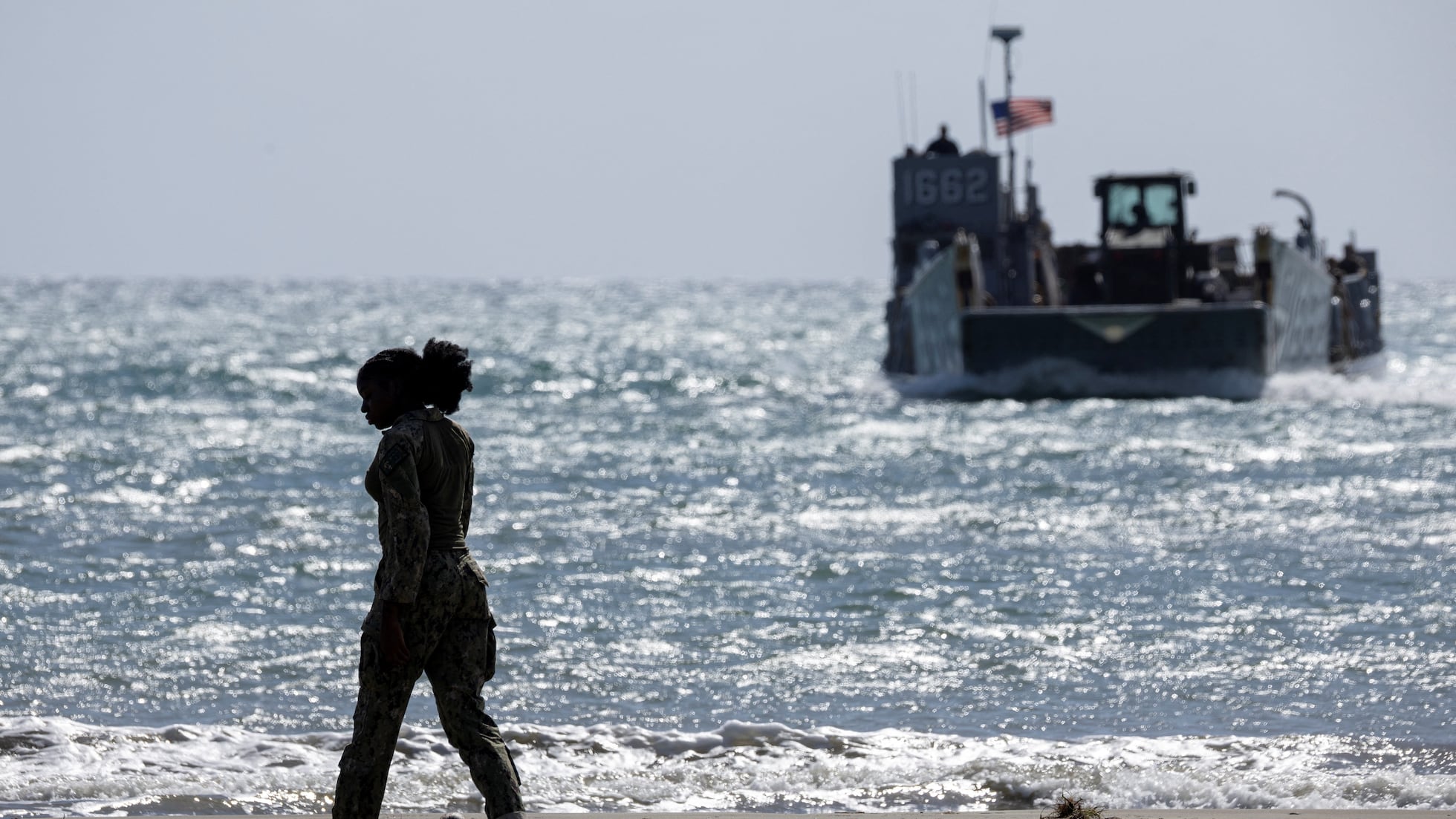
By the late 20th century, the primary justification for intervention evolved once again. As Cold War tensions eased, U.S. policy increasingly focused on combating transnational threats, particularly drug trafficking. This transition reframed intervention as a security necessity tied to criminal networks rather than ideological rivalry. Operations in the Caribbean and along major maritime routes became central to this strategy, reinforcing a military and law enforcement presence in the region.
Recent actions involving Venezuela reflect this legacy. Measures such as targeting vessels accused of transporting narcotics and disrupting oil shipments align with long-standing enforcement strategies that blend diplomacy with force. These actions are often coordinated across multiple federal agencies, with policy frameworks outlined by institutions like the White House at whitehouse.gov and supported by enforcement bodies such as the U.S. Coast Guard, whose mission and regional activities are detailed at uscg.mil.
Ongoing Consequences for the Region
Despite shifting rationales, the outcomes of U.S. intervention have remained mixed. While some efforts achieved short-term strategic goals, others contributed to political instability, economic disruption, and long-term mistrust. In Venezuela’s case, economic pressure and enforcement actions have intersected with broader regional challenges, influencing migration patterns, energy markets, and diplomatic relations across Latin America.
The continued reliance on historical doctrines underscores the enduring influence of past policy decisions. As Washington navigates its relationship with Venezuela and the wider Caribbean basin, the legacy of the Monroe Doctrine and subsequent intervention strategies remains a defining factor. Understanding this history is essential for evaluating current policies and their potential implications for the future of U.S.–Latin American relations.