The recent U.S. military operation in Venezuela, which resulted in the capture of Nicolás Maduro, has sent shockwaves far beyond South America, reshaping debates in Houston, one of the most globally connected cities in the United States. As a major hub for the oil and gas industry and home to one of the largest Venezuelan diasporas in the country, Houston now finds itself at the crossroads of geopolitics, economic opportunity, and ethical concern. The intervention has triggered intense public discussion, highlighting deep divisions over foreign policy, domestic priorities, and America’s role in shaping political outcomes abroad.
In neighborhoods stretching from suburban Katy to downtown business districts, residents are grappling with what the operation means for their families, their livelihoods, and the future of hemispheric relations. While some celebrate what they see as a decisive stand against authoritarianism, others worry about unintended consequences, including economic instability, regional conflict, and the long-term implications of direct military engagement.
Houston’s Venezuelan Community Balances Hope and Anxiety
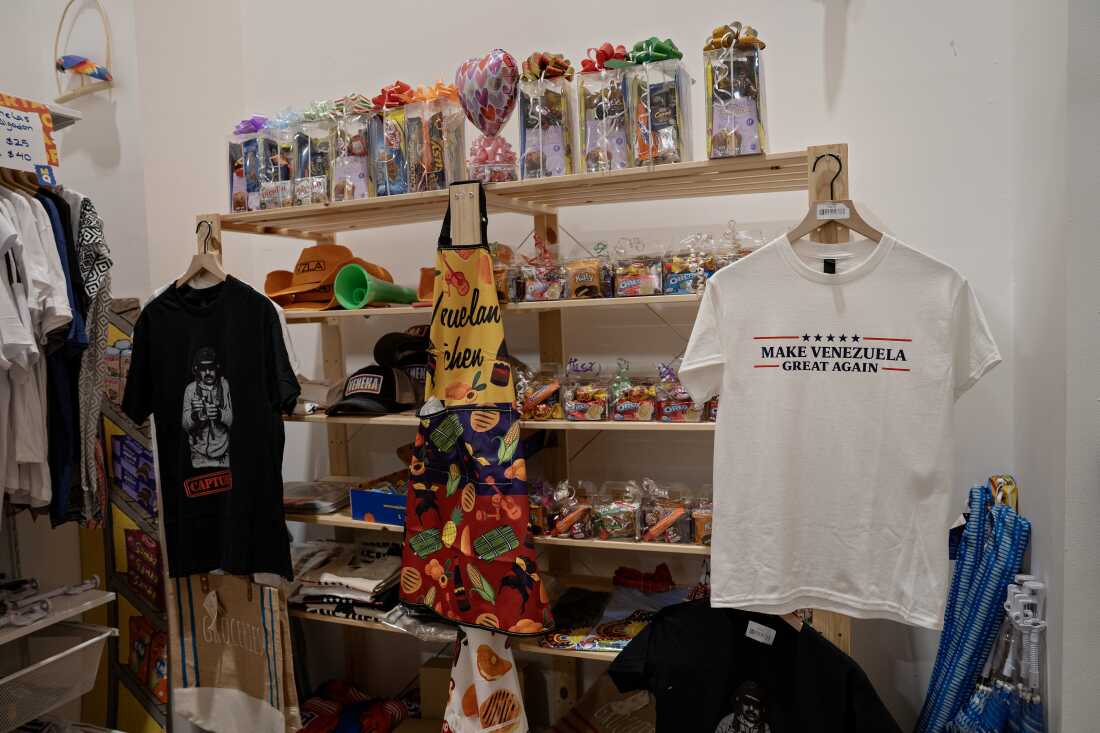
For many Venezuelan immigrants living in the Houston metropolitan area, the intervention has revived memories of hardship while also igniting cautious optimism. Families who fled economic collapse, political repression, and widespread corruption now watch developments unfold with a mixture of relief and apprehension. In areas like Katy, where Venezuelan grocery stores, bakeries, and restaurants serve as cultural anchors, conversations often revolve around whether this dramatic shift could finally open a path toward national recovery.
Business owners and professionals who left Venezuela in recent years describe the country’s previous political system as one that crushed entrepreneurship and eroded public trust. They see the U.S. operation as a potential turning point that could restore democratic institutions, stabilize the economy, and attract international investment. For them, Houston has become a place to rebuild their lives, but the emotional ties to their homeland remain powerful.
At the same time, many fear that political uncertainty could prolong economic suffering, worsen humanitarian conditions, and deepen social divisions inside Venezuela. Community leaders emphasize that long-term recovery will depend on rebuilding institutions, restoring oil production capacity, and reestablishing international confidence. Discussions about potential reconstruction efforts often reference global energy markets and Houston’s central role in shaping them, particularly through companies that closely follow developments reported by organizations like the U.S. Energy Information Administration, whose data on energy trends is widely accessed at https://www.eia.gov.
Economic Stakes: Oil, Trade, and Global Markets
Houston’s position as the energy capital of the United States means the intervention has immediate economic implications. Venezuela holds some of the world’s largest proven oil reserves, and political instability has severely disrupted production and exports for years. Industry analysts argue that political change could eventually lead to increased output, renewed foreign partnerships, and a rebalancing of global supply chains, potentially affecting fuel prices and investment flows.
Energy executives and market observers in Houston are closely tracking signals from policymakers and international institutions. Many are consulting policy updates from the U.S. Department of State at https://www.state.gov to assess the evolving diplomatic landscape and regulatory framework that could govern future energy cooperation. If sanctions are adjusted or lifted, Houston-based firms could play a pivotal role in revitalizing Venezuela’s energy infrastructure, offering technical expertise, financing, and operational management.
However, uncertainty remains high. Skeptics warn that rebuilding Venezuela’s oil sector will require billions of dollars, extensive infrastructure repairs, and years of institutional reform. They also point out that global energy markets are increasingly shaped by the transition toward renewable sources, meaning Venezuela’s long-term economic prospects depend on diversification rather than oil alone. For Houston, this dynamic reinforces the importance of balancing traditional energy leadership with innovation in clean technology and sustainable development.
Political and Social Divisions Across the City
Beyond economic considerations, the intervention has intensified political debate across Houston’s diverse communities. Some residents view the operation as a strategic move to curb drug trafficking, regional instability, and authoritarian influence in the Western Hemisphere. They argue that decisive action sends a powerful message about U.S. commitment to democracy and security, aligning with broader policy objectives outlined by the federal government at https://www.whitehouse.gov.
Others, however, express concern that foreign military actions divert attention from pressing domestic issues, including rising living costs, immigration enforcement, and healthcare access. In working-class neighborhoods and immigrant communities, many residents worry that resources devoted to overseas operations could instead address economic inequality and social challenges at home. These concerns resonate strongly in Houston, where cultural diversity and economic disparities intersect daily.
Local civic organizations, universities, and policy groups have begun hosting forums to examine the broader consequences of the intervention. Discussions often reference Houston’s unique global role, highlighted by the city’s international trade networks and diplomatic connections detailed at https://www.houston.org. Participants emphasize that Houston’s identity as a global city requires thoughtful engagement with international events, particularly those affecting large segments of its population.
As debates continue, Houston stands as a microcosm of the broader national conversation about foreign policy, economic responsibility, and humanitarian values. The intervention in Venezuela has not only reshaped geopolitical calculations but also deepened reflection on what leadership, solidarity, and accountability mean in an interconnected world. For a city built on energy, migration, and opportunity, the unfolding situation underscores how distant decisions can profoundly shape local realities, influencing everything from household conversations to global market strategies.