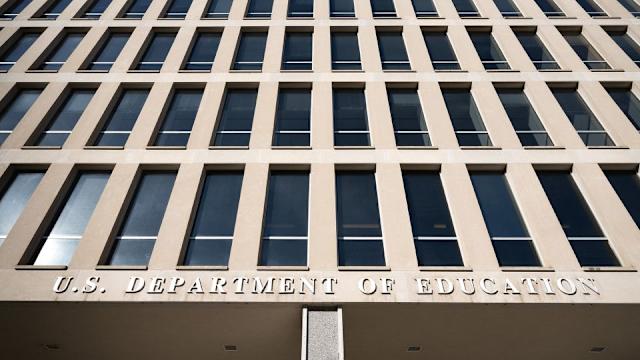
A new federal watchdog report reveals that the U.S. Department of Education’s attempt to dismiss hundreds of employees resulted in a financial burden of more than $28 million for taxpayers, intensifying scrutiny of workforce management, civil rights enforcement, and government efficiency. The findings highlight how the administration’s cost-cutting strategy, aimed at reducing staffing levels within the Office for Civil Rights (OCR), instead generated substantial expenses and operational setbacks.
The report, released by the U.S. Government Accountability Office, found that between March and mid-December, nearly 250 employees remained on paid administrative leave after courts blocked the department’s effort to terminate their positions. Although these workers continued receiving salaries and benefits, they were not permitted to return to their duties, leading to an estimated cost ranging from $28.5 million to $38 million. The GAO’s full analysis can be reviewed through its official platform at https://www.gao.gov.
This situation unfolded as the department pursued a sweeping reduction-in-force plan targeting civil rights attorneys and investigators responsible for handling thousands of discrimination complaints filed by students and families nationwide. The move sparked legal challenges and raised alarms among lawmakers, educators, and advocacy groups who argue that the policy undermined protections for vulnerable populations, including students with disabilities, racial minorities, and victims of harassment.
Costly Administrative Leave and Government Accountability
According to GAO investigators, the Education Department failed to provide a comprehensive accounting of the costs associated with the attempted layoffs. As a result, the watchdog agency independently calculated the financial impact using payroll data and benefits estimates. The report concluded that the department did not comply with established federal guidelines requiring agencies to document projected savings and costs when implementing large-scale staffing changes.
The Office of Management and Budget and the Office of Personnel Management mandate that federal agencies evaluate and record the financial consequences of workforce reductions. However, the Education Department acknowledged that it did not maintain written documentation of its analysis, instead claiming to have shared estimates verbally. This lack of transparency, the GAO noted, limited oversight and raised concerns about fiscal responsibility.
Further information on federal employment standards and compliance obligations can be found at https://www.opm.gov. Experts argue that the failure to properly document financial planning undermines public trust and complicates congressional oversight, especially when decisions involve tens of millions of dollars in taxpayer funds.
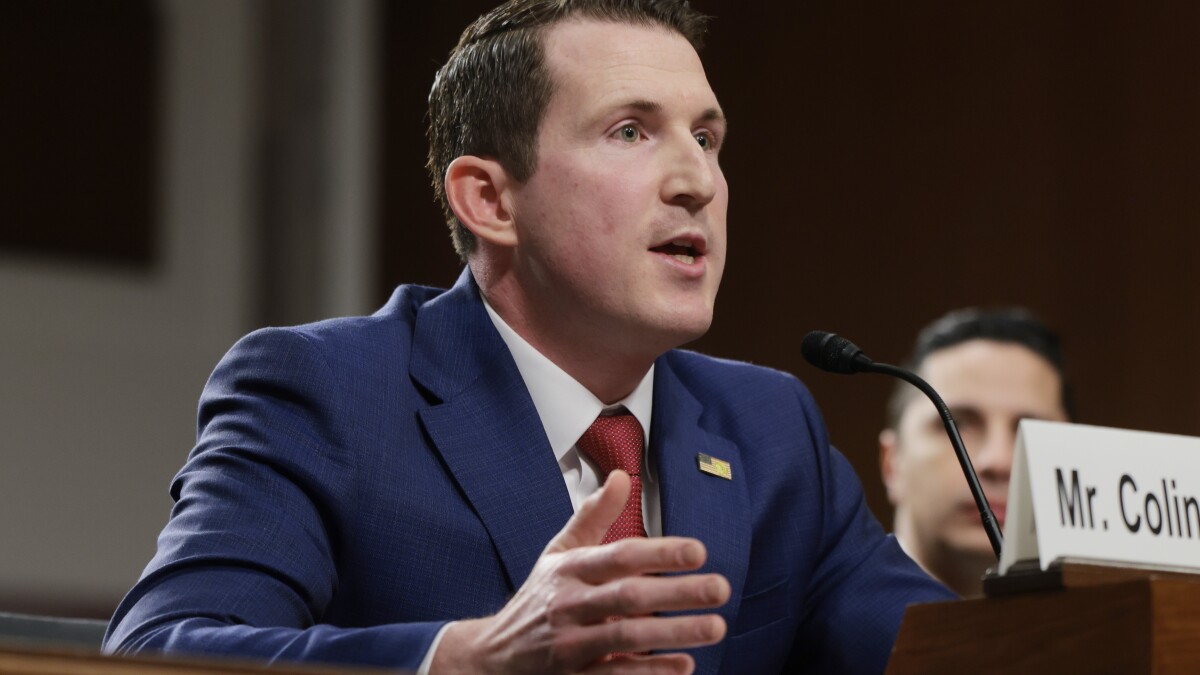
In response to the report, department leadership defended the strategy, stating that the layoffs were intended to improve efficiency and accountability. Officials also emphasized that the decision to return employees to active duty in December rendered the matter resolved. However, GAO analysts countered that the financial impact had already occurred and warranted formal evaluation.
Civil Rights Enforcement Disrupted by Staffing Cuts
Beyond the financial costs, the GAO report highlights significant operational consequences. During the months when hundreds of OCR employees were sidelined, the office processed more than 7,000 discrimination complaints, with approximately 90% resolved through dismissals rather than formal investigations. While dismissals are a standard tool, watchdog analysts noted that the rate far exceeded historical norms.
The Office for Civil Rights plays a critical role in enforcing federal laws that protect students from discrimination based on race, sex, national origin, disability, and religion. Detailed information about the agency’s mission and responsibilities is available at https://www.ed.gov/about/ocr. Reduced staffing levels, experts warn, risk weakening oversight and delaying justice for students seeking redress.
Historical data underscores the magnitude of the shift. In earlier administrations, dismissal rates typically ranged between 49% and 81%, depending on the period. The spike observed during the recent restructuring effort suggests a major contraction in investigative capacity. The GAO also noted a steep decline in the number of resolution agreements addressing racial harassment, disability discrimination, sexual harassment, and sexual assault.
Education advocates argue that these declines have tangible consequences for students, particularly those in marginalized communities. Without timely investigations and enforcement actions, schools may lack the incentive to correct discriminatory practices, potentially leaving systemic problems unaddressed.
Congressional Oversight and the Future of Student Protections
The report has intensified calls for congressional oversight and policy reform. Lawmakers from both parties have expressed concern over the financial waste and potential erosion of civil rights enforcement. Congressional committees are expected to review the findings and consider legislative measures to strengthen accountability mechanisms.
Senators supporting the inquiry emphasized that safeguarding student rights should remain a top federal priority. They argue that diverting millions of dollars to pay employees who were barred from working represents a misuse of public funds and undermines the government’s duty to ensure equal educational opportunities.
Congressional oversight processes and legislative updates can be tracked through https://www.congress.gov. Policy analysts predict that future budget negotiations and education funding bills may include provisions aimed at reinforcing staffing levels and clarifying compliance requirements for federal agencies.
Looking ahead, the Education Department faces pressure to restore confidence in its civil rights mission while demonstrating fiscal discipline. With the possibility of further workforce reductions under review, advocates warn that maintaining adequate staffing is essential to prevent backlogs, ensure thorough investigations, and uphold federal education laws.
As scrutiny intensifies, the episode serves as a cautionary tale about the unintended consequences of rapid policy shifts, especially when they intersect with legal protections, operational continuity, and taxpayer accountability.