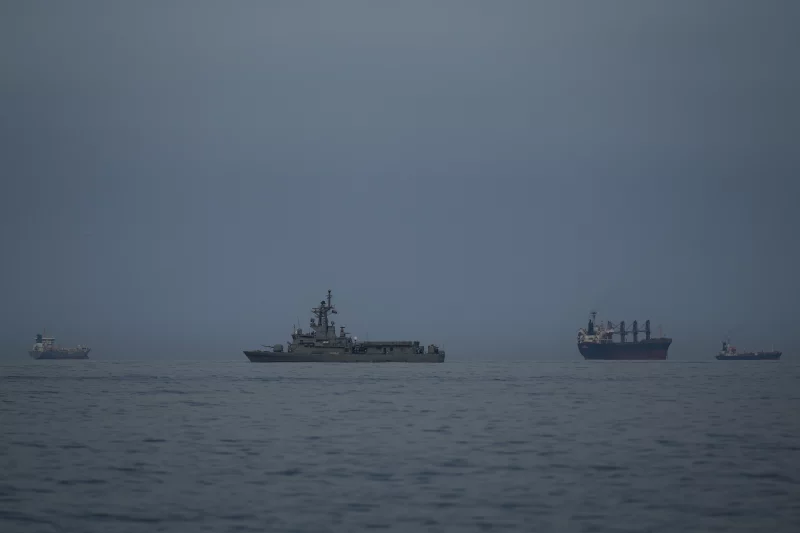
The conflict involving Iran, Israel, and the United States has entered its third week, intensifying military operations across the Middle East and triggering diplomatic tensions among major global powers. At the center of the geopolitical dispute is the Strait of Hormuz, a narrow but critical maritime corridor through which nearly one-fifth of the world’s oil supply typically passes.
President Donald Trump has called on several international partners to join U.S. efforts to protect shipping traffic through the strait, arguing that countries dependent on the route for energy imports should take an active role in maintaining its security. However, many governments have reacted cautiously, preferring diplomatic coordination rather than direct military involvement.
The strategic significance of the waterway has long been recognized by global energy authorities including the U.S. Energy Information Administration, which identifies the strait as one of the most vital oil transit chokepoints in the world.
Allies Resist Calls for Naval Deployment
The White House has urged multiple countries to send naval vessels to help patrol the Strait of Hormuz and protect oil tankers traveling through the region. Among those asked to participate are several NATO members as well as key Asian economies that rely heavily on Middle Eastern energy supplies.
Despite the request, responses from international governments have largely reflected hesitation rather than immediate support. European leaders have emphasized the importance of maintaining stability in the region while avoiding deeper military escalation.
Officials within the North Atlantic Treaty Organization have indicated that any coordinated mission in the strait would require extensive consultation among member states. Several governments also pointed out that they were not directly involved in the decision to launch military strikes earlier in the conflict.
Leaders in Asia have also signaled caution. Countries such as Japan and South Korea are evaluating the political and legal implications of sending military ships abroad, particularly because their domestic laws restrict certain types of overseas deployments.
China, one of the world’s largest importers of crude oil, has called for de-escalation while emphasizing the importance of maintaining uninterrupted trade routes. Officials have indicated they are in communication with multiple parties involved in the conflict but have not committed to participating in a multinational security force.
Conflict Expands Across the Region
While diplomatic discussions continue, military operations between Israel and Iran have intensified. Israeli defense officials say the campaign against Iranian military infrastructure is expected to continue for at least three more weeks as forces attempt to weaken missile capabilities and other strategic assets.
Airstrikes have targeted numerous facilities linked to weapons storage, missile launch systems, and command centers. Israeli authorities claim that more than 70 percent of Iran’s ballistic missile launchers have been damaged or destroyed during the conflict.
Iranian forces have continued launching missiles and drones toward Israel and neighboring countries across the Middle East. Several Gulf nations have reported interceptions of projectiles aimed at strategic locations including energy facilities and transportation hubs.
The escalating hostilities have also caused significant displacement within Iran. Humanitarian agencies linked to the United Nations High Commissioner for Refugeesestimate that approximately 3.2 million people have been forced to leave their homes as military operations expand across multiple regions.
Casualty figures remain difficult to confirm amid the ongoing fighting, but hundreds of deaths have been reported across both countries as well as neighboring territories affected by the conflict.
Lebanon Becomes a Second Major Front
Beyond the confrontation between Iran and Israel, violence has spread into Lebanon, opening a second major front in the conflict. Israeli forces have launched targeted ground operations in southern Lebanon aimed at positions associated with Hezbollah, a powerful armed group aligned with Iran.
Rocket attacks from Hezbollah began early in the conflict, prompting Israeli retaliatory strikes against locations across southern Lebanon and near the capital city of Beirut. The operations have intensified in recent days, with military officials describing the campaign as focused on dismantling militant infrastructure.
According to disaster response authorities in Lebanon, more than 1 million people have been displaced by the ongoing bombardment and ground operations. Hundreds of casualties have also been reported as airstrikes and artillery fire continue across populated areas.
International organizations including the United Nations have been engaged in diplomatic discussions aimed at preventing the conflict from expanding further throughout the region.
Meanwhile, regional governments remain on high alert as drone attacks, missile launches, and air defense operations continue to shape the security landscape across the Middle East. Airports, energy facilities, and shipping routes have all faced disruptions as military activity spreads beyond the original theater of war.