Trump Signs New Executive Order on Voting System Changes
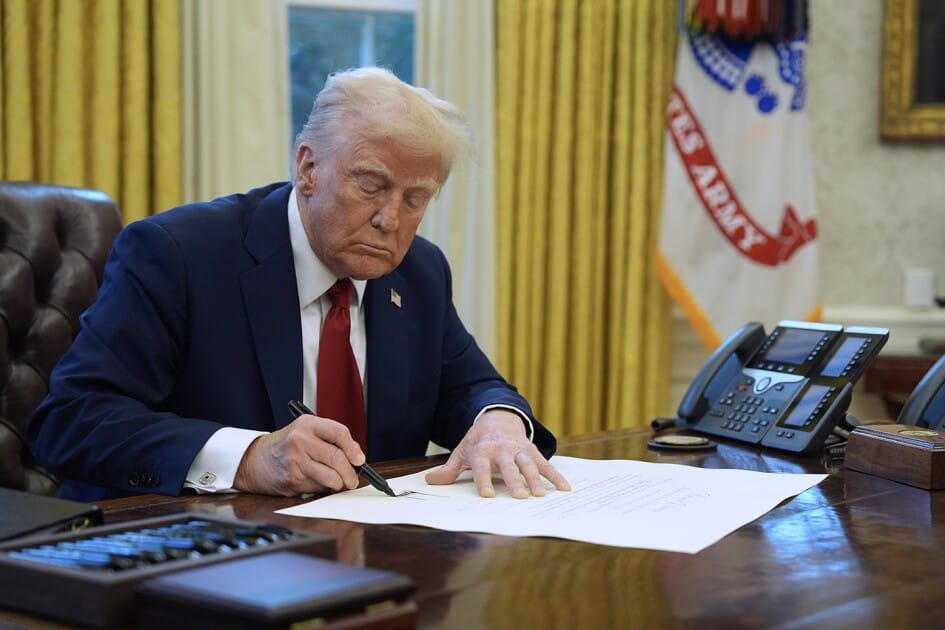
Donald Trump has signed a new executive order aimed at reshaping how elections are administered across the United States, setting off immediate legal and political reactions. The order proposes the creation of state-by-state lists identifying eligible U.S. voters and directs the United States Postal Service to distribute mail-in ballots only to individuals whose eligibility has been verified.
Announced from the Oval Office, Trump described the measure as legally “foolproof,” presenting it as part of a broader effort to strengthen election integrity. The order builds on previous attempts by his administration to influence voting systems at the federal level, an area traditionally managed by individual states.
More details about federal election structures can be explored at https://www.eac.gov, while broader constitutional provisions are outlined at https://www.archives.gov.
Legal Experts Question Federal Authority Over Elections
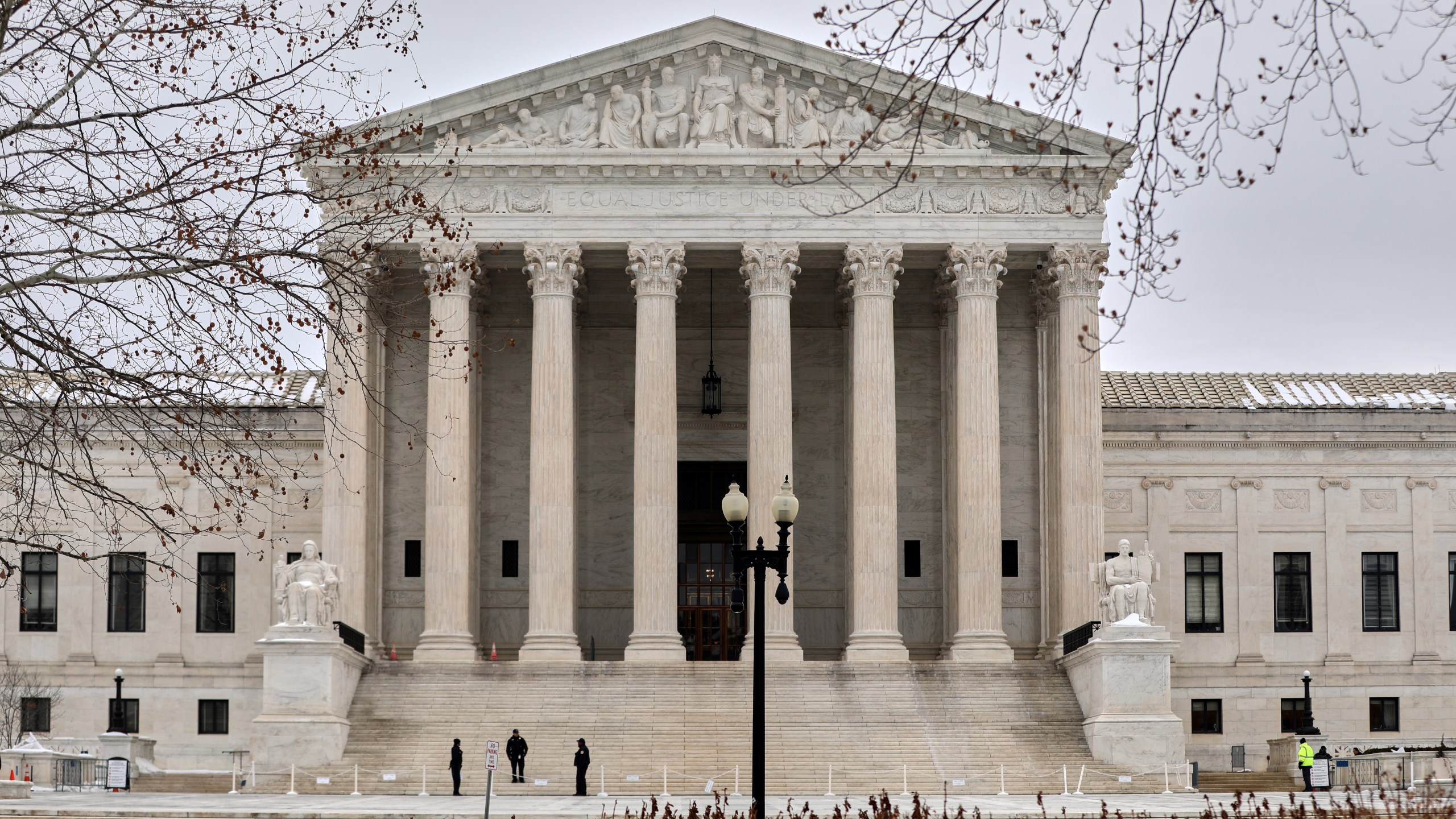
The executive order has quickly drawn criticism from constitutional scholars and election experts, who argue that it exceeds presidential authority. Under the U.S. Constitution, the administration of federal elections is largely delegated to the states, with Congress holding the power to regulate certain aspects.
A prior executive order addressing election processes was blocked by federal courts, which ruled that the executive branch does not have unilateral authority to dictate voting policies. Legal analysts expect similar challenges to arise in response to the new directive.
State officials have also voiced strong opposition. Adrian Fontes, for example, criticized the move as federal overreach and indicated that legal action would be pursued to prevent its implementation.
For additional context on election law and state authority, visit https://www.ncsl.org and https://www.usa.gov/election.
Disputes Over Voter Data and Federal Oversight
The executive order also intersects with ongoing disputes over access to voter data. The Department of Justice has previously sought sensitive voter information from multiple states, arguing that such data is necessary to maintain accurate voter rolls.
In parallel, officials have indicated plans to share voter data with the Department of Homeland Security for verification purposes using federal systems designed to identify noncitizens. However, concerns have been raised about the accuracy of these systems, with reports indicating that some U.S. citizens have been incorrectly flagged.
Courts in several states have already dismissed related lawsuits, signaling judicial skepticism toward broad federal involvement in voter data management.
Political and Legal Implications Moving Forward
The new executive order is expected to trigger a series of legal battles that could ultimately reach higher courts. Voting rights advocates and several states have indicated plans to challenge the measure, arguing that it could alter long-standing election procedures and potentially affect voter access.
The controversy also reflects ongoing national debates about election security, voter eligibility, and the appropriate balance of power between federal and state governments. As litigation unfolds, the outcome may shape how future administrations approach election policy and executive authority.
With multiple stakeholders preparing for court challenges, the implementation of the order remains uncertain, underscoring the complex legal landscape surrounding election governance in the United States.