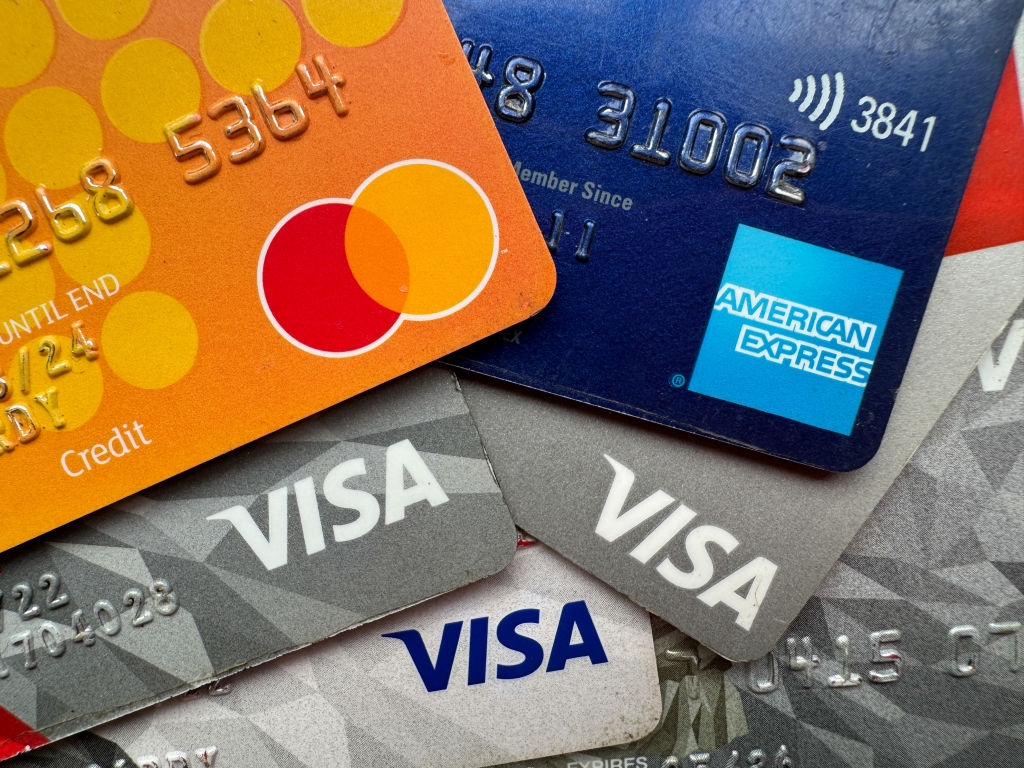
President Donald Trump has proposed a sweeping change to consumer lending by calling for a one-year cap of 10% on credit card interest rates, a level far below current market averages. Speaking to reporters aboard Air Force One, Trump argued that credit card companies have excessively profited from American consumers and said his administration would move to stop what he described as systemic abuse in the credit market.
The proposal comes at a time when credit card interest rates remain near historic highs. As of late 2025, average credit card rates stood above 22%, more than eight percentage points higher than a decade earlier. Trump stated that the cap would take effect on January 20, coinciding with the anniversary of his second-term inauguration, and suggested that financial institutions failing to comply would be acting unlawfully. However, questions remain over whether the executive branch has the authority to impose such a cap without congressional approval. More information on executive authority and federal economic policy can be found at https://www.whitehouse.gov.
Rising Credit Costs and Consumer Debt Pressure
The sharp increase in credit card interest rates over recent years has been driven by a combination of elevated delinquency levels and higher benchmark interest rates set by the Federal Reserve. While the central bank cut rates multiple times last year, its benchmark range remains between $3.50 and $3.75, levels that continue to influence how banks price consumer credit products. These conditions have placed growing financial pressure on households already managing high levels of revolving debt.
Supporters of a rate cap argue that lowering borrowing costs could provide immediate relief to consumers struggling with rising expenses. Critics, however, warn that artificially suppressing rates could restrict access to credit, particularly for borrowers with lower credit scores. The Federal Reserve’s role in shaping lending conditions and monetary policy is detailed at https://www.federalreserve.gov.
Legal Uncertainty and Congressional Dynamics
Trump has not clarified whether he intends to pursue the interest rate cap through executive action, regulatory changes, or new legislation. In previous sessions of Congress, bipartisan efforts have been made to introduce temporary caps on credit card interest rates, but none have advanced into law. Without congressional backing, legal experts suggest that enforcing a nationwide cap could face immediate court challenges.
The debate also intersects with broader tensions surrounding financial regulation, particularly the role of the Consumer Financial Protection Bureau. Established after the 2008 financial crisis, the agency was designed to protect consumers from abusive financial practices. Ongoing legal disputes over its funding and staffing have raised uncertainty about its future enforcement capacity. Details on the CFPB’s mandate and regulatory authority are available at https://www.consumerfinance.gov.
Market Reaction and Banking Industry Concerns
Financial markets responded quickly to Trump’s remarks, with bank stocks declining amid concerns that a mandatory interest rate cap would significantly reduce revenue from consumer lending. Banking industry groups have acknowledged the goal of making credit more affordable but argue that strict caps could push lenders to tighten approval standards or steer consumers toward less regulated, higher-cost alternatives.
Small business owners, who often rely on credit cards for short-term financing, could also be affected by reduced credit availability if lenders reassess risk under a capped-rate environment. The structure of the U.S. banking system and its regulatory framework can be explored further at https://home.treasury.gov.
As the proposal moves from rhetoric to potential policy, Trump’s call for a 10% cap has reignited a long-standing debate over consumer protection, market regulation, and the balance of power between Congress and the executive branch. Whether the idea gains legislative traction or remains a political signal will shape the future of consumer credit in the United States.