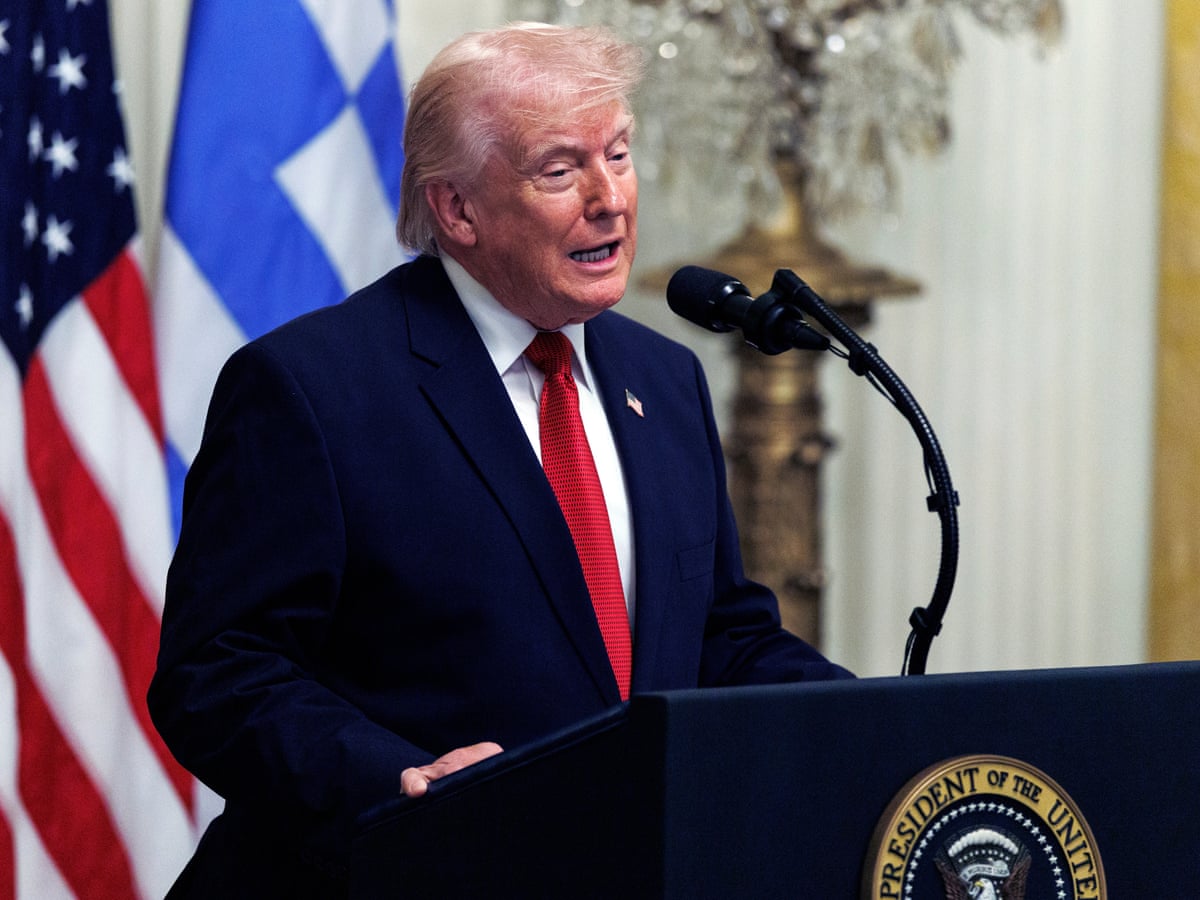
Amid an ongoing government funding impasse, President Donald Trump has signed a memo directing that Transportation Security Administration (TSA) employees receive pay despite the continued shutdown of the Department of Homeland Security (DHS). The move comes as lawmakers remain divided over competing funding proposals, prolonging uncertainty across one of the nation’s most critical security agencies.
According to the Department of Homeland Security, TSA workers could begin receiving paychecks as early as Monday, offering temporary financial relief to thousands of federal employees affected by the stalemate.
Executive Action Targets Immediate Financial Relief
The memo signed by Donald Trump represents a unilateral effort to address one of the most visible consequences of the shutdown: unpaid frontline workers responsible for airport security nationwide. TSA employees are considered essential personnel, meaning they are required to continue working even during funding lapses.
By authorizing pay during the shutdown, the administration aims to stabilize operations and prevent disruptions in air travel security. More details about TSA operations and workforce policies can be found on <a href=”https://www.tsa.gov”>Transportation Security Administration</a> and broader federal workforce guidelines at <a href=”https://www.opm.gov”>U.S. Office of Personnel Management</a>.
However, the directive does not resolve the broader budget dispute affecting DHS, leaving many other agency functions and employees in limbo.
Congressional Deadlock Deepens Funding Crisis
The funding conflict intensified after the House of Representatives passed a short-term bill to extend DHS funding through May 22. The measure passed by a narrow margin but failed to align with a separate proposal approved by the Senate.
House Speaker Mike Johnson rejected the Senate’s version of the bill, which would have restored funding to most DHS operations but excluded certain immigration enforcement activities. The disagreement between the two chambers has effectively stalled progress toward a comprehensive resolution.
Legislative developments and bill tracking can be followed through <a href=”https://www.congress.gov”>Congress.gov</a> and official House updates at <a href=”https://www.house.gov”>U.S. House of Representatives</a>, where ongoing negotiations are documented.
The lack of consensus underscores broader political divisions over immigration policy and federal spending priorities, both of which remain central to the debate.
Impact on National Security and Federal Workforce
The prolonged shutdown raises concerns about operational readiness within DHS, which oversees critical areas including border security, disaster response, and transportation safety. While TSA employees may receive pay under the new directive, uncertainty continues to affect other divisions within the department.
Analysts note that extended funding gaps can strain workforce morale and complicate long-term planning. Research and policy analysis on government shutdown impacts are available through <a href=”https://www.cbo.gov”>Congressional Budget Office</a> and <a href=”https://www.gao.gov”>Government Accountability Office</a>, both of which provide insights into fiscal and administrative consequences.
As negotiations continue, the memo signed by Donald Trump highlights the administration’s attempt to mitigate immediate disruptions, even as the broader political stalemate remains unresolved.