Policy Shift Redirects $1 Billion Toward Fossil Fuels
A major shift in U.S. energy policy is reshaping investment decisions across the infrastructure landscape. The administration of Donald Trump has reached an agreement with TotalEnergies to redirect nearly $1 billion previously allocated to offshore wind development into oil and gas production projects within the United States.
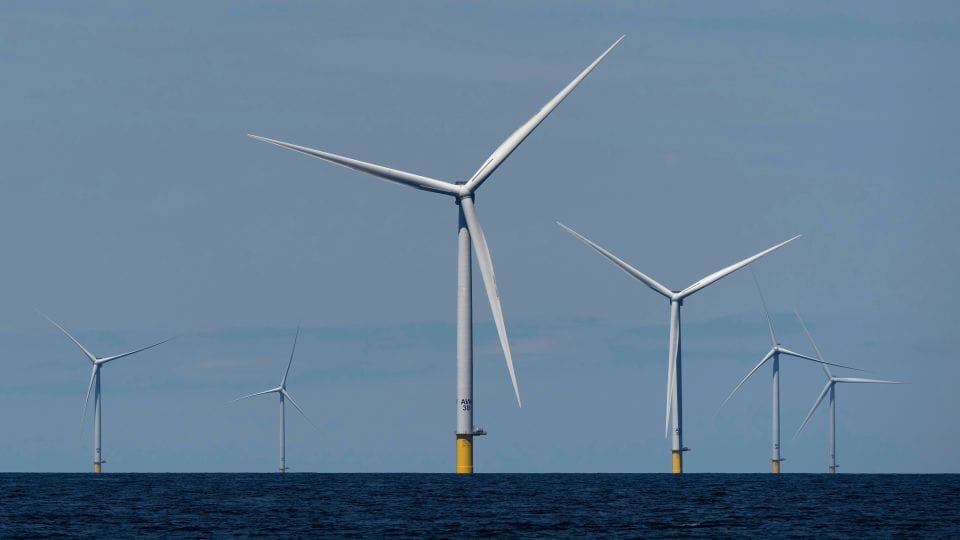
Under the agreement, TotalEnergies will recover close to $1 billion paid for offshore wind leases located off the coasts of North Carolina and New York. The company has committed to reinvesting the same amount into fossil fuel operations, including expanded oil and gas production and a liquefied natural gas facility in Texas. This move represents a notable reallocation of capital that could influence broader infrastructure investment trends.
Industry observers note that this policy shift reflects a broader prioritization of traditional energy sources. While the administration frames the agreement as a step toward affordable and reliable energy, critics argue that the decision introduces new uncertainties for companies evaluating long-term infrastructure investments. More details about U.S. energy infrastructure trends can be explored through organizations such as the U.S. Energy Information Administration, which tracks national energy data and investment flows.
Growing Concerns Over Investment Uncertainty
Energy analysts warn that the implications of this agreement extend far beyond offshore wind. By influencing private-sector investment decisions, the administration may be creating a precedent that affects how companies assess regulatory and political risks in the United States.
Experts from institutions like the Center for Strategic and International Studies suggest that such interventions could slow infrastructure development, increase project costs, and reduce the overall number of projects moving forward. Infrastructure investments typically require long-term planning horizons, often spanning decades, and depend heavily on stable policy environments.
The uncertainty is particularly significant for capital-intensive sectors such as energy, where projects require billions of dollars in upfront investment. Companies may now factor in potential policy reversals or executive actions when deciding whether to commit funds. Additional insights into infrastructure policy and investment risks can be found at the Brookings Institution, which regularly analyzes economic and regulatory trends.
Energy Strategy Shift Could Reshape Market Dynamics
The agreement also highlights a broader transformation in U.S. energy strategy. The administration has consistently emphasized fossil fuel development while attempting to limit the expansion of renewable energy projects, particularly offshore wind. This approach contrasts with previous efforts to diversify energy sources and expand renewable capacity.
TotalEnergies has stated that offshore wind projects in the U.S. have proven costly and could negatively impact electricity affordability. However, grid operators along the East Coast continue to argue that offshore wind is essential to meeting rising electricity demand and maintaining system reliability.
As energy demand grows, the balance between affordability, reliability, and sustainability remains a central challenge. Organizations like the International Energy Agency have emphasized the importance of maintaining diverse energy portfolios to ensure long-term stability.
The long-term consequences of this policy shift are still unfolding. Analysts suggest that increased politicization of energy policy could affect both renewable and fossil fuel investments, creating a more volatile environment for infrastructure development. For investors and developers, the key concern is not only current policy direction but also how future administrations may alter the regulatory landscape, potentially reshaping the trajectory of U.S. energy infrastructure for years to come.