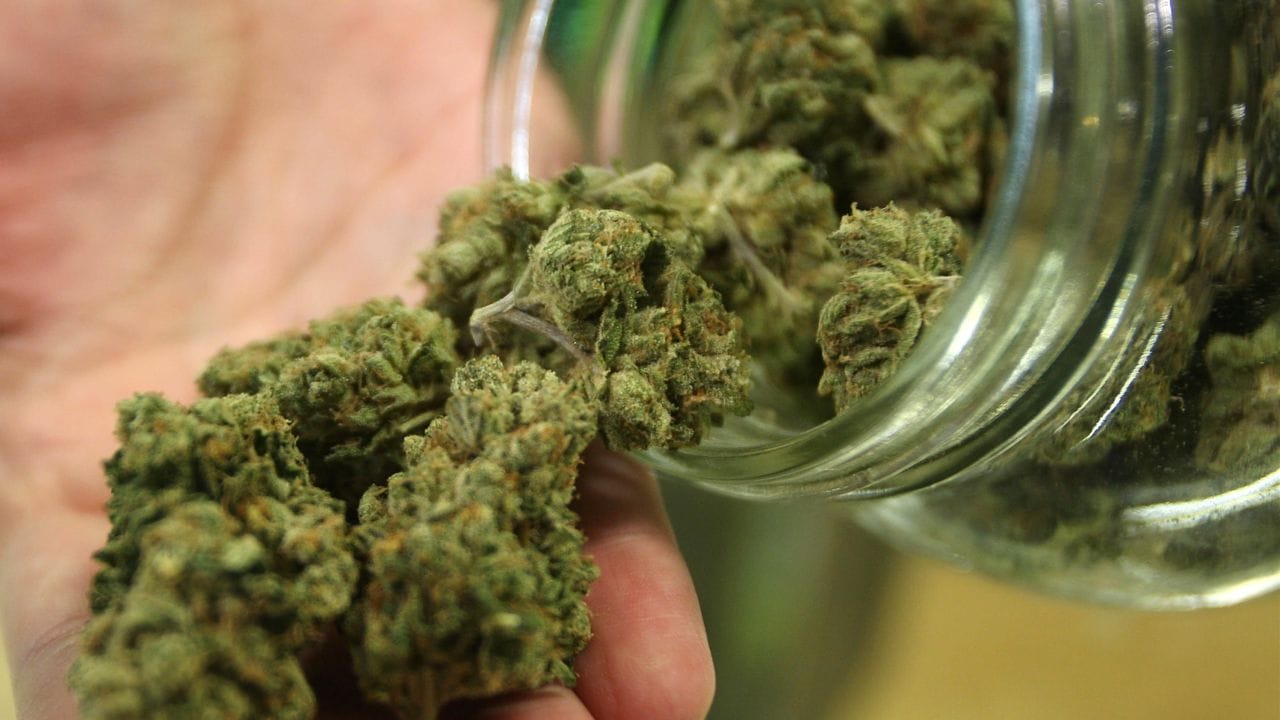
President Donald Trump’s executive order directing federal agencies to move marijuana to Schedule III under the Controlled Substances Act represents one of the most consequential federal cannabis policy developments in decades. While the announcement has generated optimism among cannabis operators, investors, and researchers, the legal and administrative reality suggests a complex, phased transition rather than an immediate transformation of U.S. marijuana law.
Marijuana has remained classified as a Schedule I substance since the Controlled Substances Act was enacted in 1970, a designation reserved for drugs with no accepted medical use and a high potential for abuse. The new directive signals a recalibration of that position, but it does not automatically dismantle the broader federal framework governing cannabis enforcement, research approvals, taxation, or interstate commerce.
Federal Rulemaking Will Determine the Pace of Change
The executive order instructs the Attorney General to complete the rulemaking process “as expeditiously as possible” in accordance with federal law. This places the Department of Justice at the center of implementation, particularly through its authority under Section 811 of the Controlled Substances Act, which governs drug scheduling decisions. The statute itself can be reviewed through the official congressional archive at https://www.congress.gov.
If the Justice Department follows the traditional administrative pathway, the process would involve regulatory review, interagency consultation, and public comment periods. That approach can extend over many months, even when political support is aligned. Alternatively, Section 811 provides the Attorney General with broader discretion to reclassify substances when international obligations or public interest considerations apply, potentially accelerating the timeline.
The Drug Enforcement Administration, which administers the Controlled Substances Act in coordination with the DOJ, would ultimately be responsible for enforcing any revised scheduling rules, as outlined on https://www.dea.gov.
Business Relief Is Likely, but Not Comprehensive
One of the most immediate impacts of Schedule III classification would be on federal taxation. Cannabis companies have long been burdened by Internal Revenue Code Section 280E, which prevents businesses trafficking Schedule I or II substances from deducting ordinary business expenses. A shift to Schedule III could allow cannabis operators to claim standard deductions, improving cash flow and profitability across the sector.
However, rescheduling does not legalize marijuana at the federal level, nor does it override existing prohibitions on interstate cannabis commerce. Companies would still be required to operate within state-licensed frameworks, and transporting marijuana across state lines would remain unlawful under federal statute. Guidance from the Department of Justice, published through https://www.justice.gov, will be critical in clarifying enforcement priorities.
Research Expansion Will Be Gradual, Not Immediate
Schedule III status is widely viewed as a breakthrough for cannabis research, yet regulatory barriers will not disappear overnight. Researchers would still need federal approvals to study marijuana, and institutional review processes will continue to apply. That said, a lower-risk classification could ease access to research-grade cannabis and encourage universities and pharmaceutical developers to pursue clinical trials.
The Department of Health and Human Services, which evaluates medical and scientific evidence related to drug scheduling, will play a key role in shaping the scope of future research access. Its regulatory responsibilities can be reviewed at https://www.hhs.gov.
Over time, the rescheduling of marijuana could align federal research policy more closely with the realities of widespread medical and adult-use legalization across U.S. states, but the transition will be incremental and shaped by agency rulemaking rather than executive action alone.