President Donald Trump is set to hold a high-profile rally in Clive, Iowa, that effectively marks the opening act of his administration’s midterm campaign strategy, with the economy and energy prices at the core of his message. The event comes at a moment of political vulnerability, as recent polls show voter dissatisfaction with key aspects of his domestic agenda, including inflation, agricultural policy, and immigration enforcement. Iowa, a state that delivered Trump 55% of the vote in 2024, now reflects a more complicated political environment, where economic anxieties and energy costs are reshaping voter sentiment.
The administration is positioning the rally as a direct appeal to farmers, small business owners, and working families who have felt the ripple effects of tariff policies, higher fuel prices, and shifting tax rules. Trump is expected to highlight billions of dollars in bridge payments directed to farmers impacted by trade measures, while also promoting tax provisions such as no tax on tips and overtime, and an expanded child tax credit. These initiatives are framed as long-term investments in household stability, though critics argue that their short-term benefits are being overshadowed by broader economic pressures.
Economic Policy and Voter Discontent
Trump’s economic approval rating has slipped to around 36%, underscoring the urgency behind his Iowa messaging. As tax season unfolds, many voters are beginning to see the real-world impact of recent legislation, including changes to deductions and the introduction of new government-seeded savings tools for newborns. The Treasury Department, through initiatives detailed on https://www.treasury.gov, is preparing to release further guidance on the so-called “Trump Accounts,” which will include a $1,000 government contribution for babies born between 2025 and 2028. Supporters view the program as a forward-looking investment in financial literacy and intergenerational wealth, while skeptics question its effectiveness in addressing immediate cost-of-living challenges.
The broader economic context adds to the complexity. Consumer prices for food, housing, and transportation remain elevated, and wage growth has not fully kept pace with inflation. Data platforms such as https://www.statista.com show that household energy spending has risen sharply over the past year, amplifying voter frustration in rural and suburban communities alike. Trump’s team believes that reframing the narrative around tax relief, job creation, and domestic investment can stabilize support among swing voters who were instrumental in his 2024 victory.
Energy Prices and Agricultural Tensions
Energy policy is expected to take center stage in Trump’s Iowa speech, particularly as farming industry groups express frustration over stalled ethanol measures. The failure of the Republican-led House to include a provision allowing year-round sales of higher-ethanol E15 fuel has drawn criticism from corn producers and biofuel advocates. These groups argue that expanded ethanol use could reduce gasoline prices, support rural economies, and strengthen U.S. energy independence. Information from the U.S. Department of Energy at https://www.energy.gov highlights the role of renewable fuels in stabilizing long-term energy costs, a point Trump is likely to emphasize as he seeks to realign with agricultural हित.
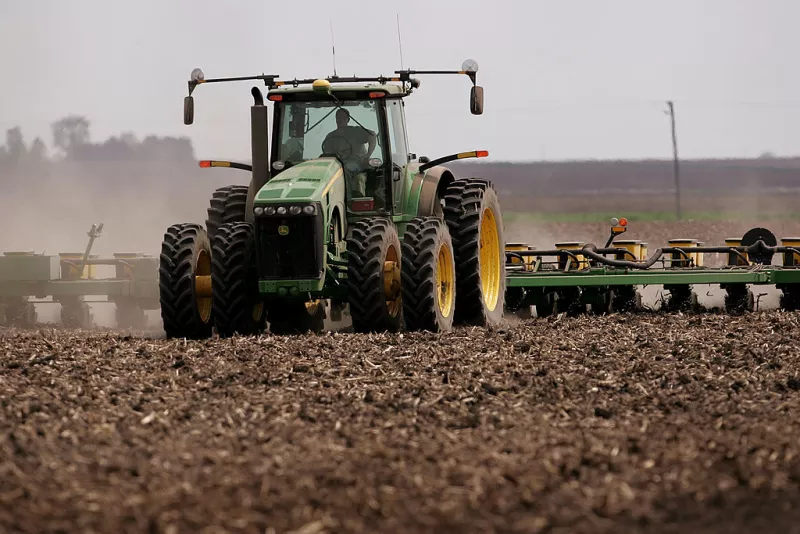
At the same time, Iowa farmers remain wary of trade disruptions tied to tariff policies. While bridge payments have provided temporary relief, many producers argue that market uncertainty continues to depress commodity prices and limit long-term planning. The U.S. Department of Agriculture, through programs outlined at https://www.usda.gov, has expanded support mechanisms for affected farmers, but industry leaders say more predictable trade frameworks are essential for sustained growth. Trump’s challenge will be to convince skeptical voters that his energy and trade strategies will ultimately deliver economic stability rather than prolonged volatility.
Political Stakes and the Road to the Midterms
Trump’s Iowa rally also underscores the broader political stakes heading into the midterm elections. Control of Congress could hinge on competitive races across the state, with three of Iowa’s four House districts viewed as potential battlegrounds. The retirement of Republican Senator Joni Ernst has opened the door for a high-profile Senate contest, and Democrats are betting that Trump’s declining popularity could tilt the race in their favor. At the state level, Democratic auditor Rob Sand has significantly outraised his Republican rivals in the governor’s race, signaling a more energized opposition than in previous cycles.
Recent surveys indicate that Trump is losing ground among key demographics that shifted toward Republicans in 2024, including suburban voters and younger working families. His approval ratings in Iowa remain lower than in most other Republican-led states, reflecting localized concerns over farm policy, energy costs, and immigration enforcement. The rally in Clive is designed not only to preview campaign themes but also to test whether a renewed focus on economic populism and energy affordability can reverse these trends.
As Trump steps onto the Iowa stage, the event will serve as both a political barometer and a strategic reset. With voter dissatisfaction rising and the midterms approaching, the president’s ability to reconnect with farmers, workers, and small business owners may determine whether his administration can reclaim momentum in a state that once formed the bedrock of his electoral coalition.