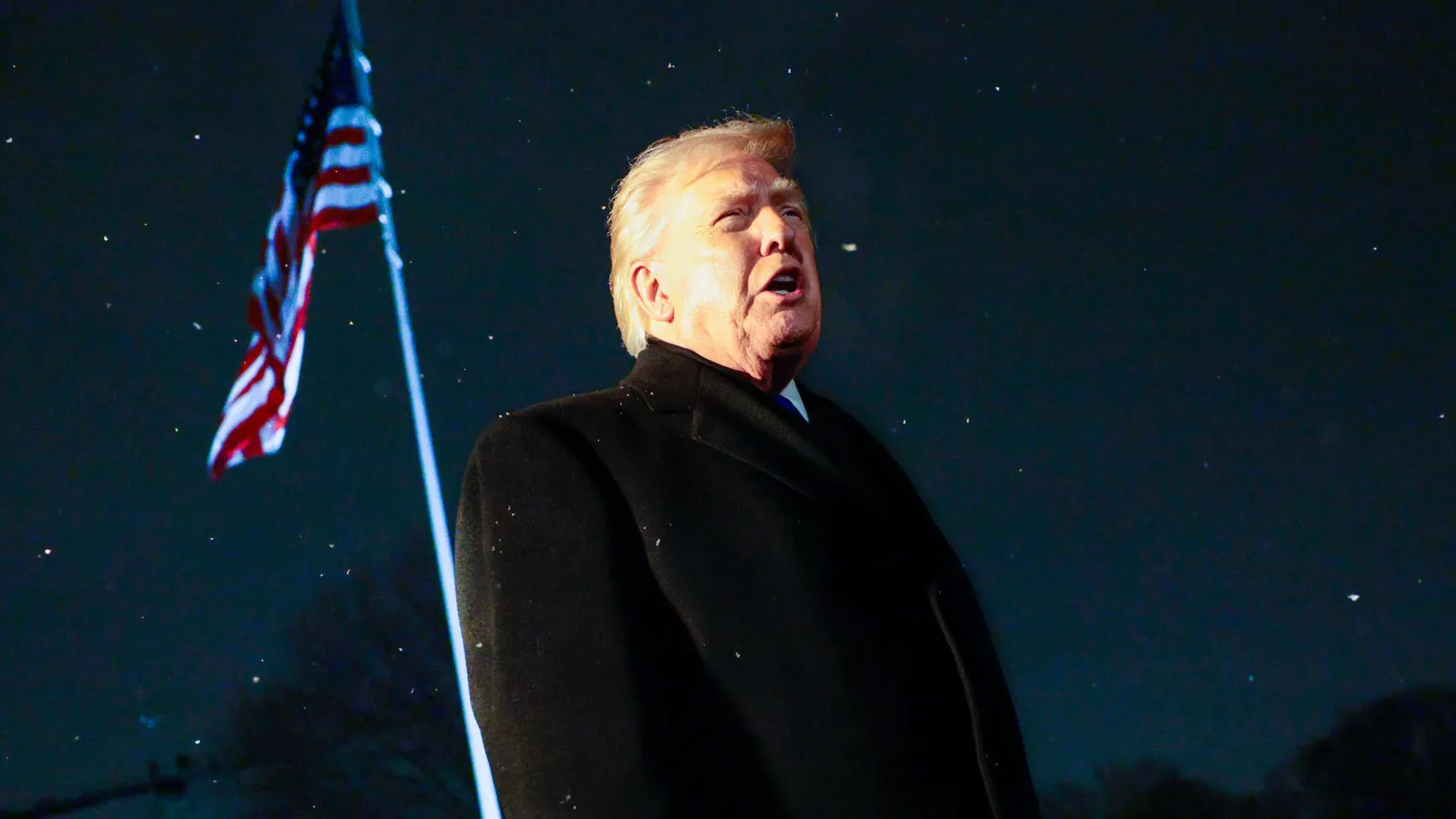
US President Donald Trump has moved to intensify economic pressure on Iran by signing an executive order that threatens additional tariffs on countries that continue commercial ties with Tehran. The measure authorizes penalties on goods entering the United States from any nation deemed to be trading directly or indirectly with Iran, using a 25% levy as an illustrative benchmark while leaving final rates unspecified.
The order reinforces Washington’s position that Iran’s nuclear ambitions and regional activities pose a persistent national security risk. While Trump did not elaborate publicly on the tariff mechanics, he reiterated his stance that Iran must be prevented from acquiring nuclear weapons. The decision follows weeks of heightened rhetoric and diplomatic maneuvering, signaling that economic tools remain central to the administration’s strategy even as talks resume.
Sanctions, Trade, and Economic Pressure
Alongside the tariff threat, the US state department announced sanctions targeting multiple entities accused of trading Iranian-origin crude oil, petroleum, and petrochemical products. These measures add to an already extensive sanctions framework that has constrained Iran’s access to global markets, banking systems, and shipping networks for years.
Despite these restrictions, Iran continues to trade with a wide range of partners. China remains its largest export destination, purchasing more than $14bn in Iranian goods in the year to October 2025. Iraq follows with imports valued at $10.5bn, while the United Arab Emirates and Turkey also play significant roles in sustaining Iranian exports. Data compiled by Trade Data Monitor indicate that shipments to Turkey alone rose sharply last year, underscoring how trade flows have adapted rather than collapsed under sanctions.
US officials argue that secondary sanctions and tariff threats are designed to deter this activity by raising the cost of doing business with Iran. Critics, however, warn that such measures could strain relations with key trading partners and further complicate global supply chains.
Nuclear Talks and Rising Regional Tensions
The renewed economic pressure coincides with diplomatic engagement aimed at reviving constraints on Iran’s nuclear program. Under the 2015 agreement overseen by the International Atomic Energy Agency, Iran accepted limits on uranium enrichment and expanded inspections in exchange for sanctions relief. The US withdrawal from that deal in 2018 led Tehran to scale back compliance, reigniting concerns over enrichment levels and stockpiles.
Recent talks in Oman marked the first direct engagement between senior US and Iranian officials in months, coming against a backdrop of military posturing and sharp warnings from Washington. Trump has suggested that failure to reach an agreement would carry severe consequences, while Iran maintains that its nuclear activities are peaceful and within its sovereign rights.
The broader regional environment remains volatile. A significant US military presence has been deployed to the Middle East, and unrest inside Iran has added to instability. As diplomacy, sanctions, and tariff threats converge, the outcome of these negotiations will shape not only US-Iran relations but also the economic and security calculations of dozens of countries still trading with Tehran.