An executive order signed by President Donald Trump declaring glyphosate essential to American economic and national security has ignited tension within the “Make America Healthy Again” movement, a coalition that has consistently criticized pesticide use. The directive positions the widely used herbicide as a strategic asset, emphasizing the need for a stable domestic supply chain.
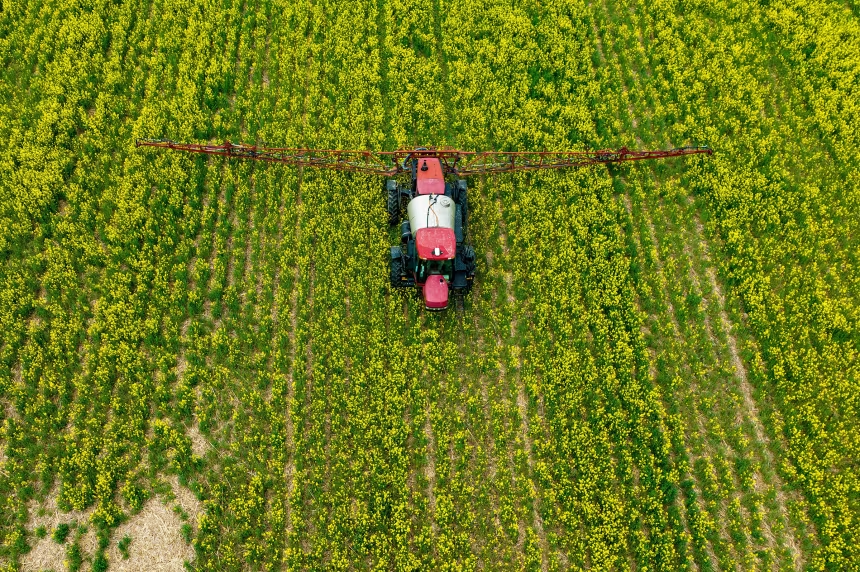
Glyphosate is the active ingredient in Roundup, one of the most heavily applied weed killers in the world. It functions by disrupting protein synthesis in plants and microorganisms, effectively eliminating unwanted vegetation. In the United States, its application is concentrated in genetically engineered corn, soybeans, and cotton, crops specifically modified to withstand glyphosate exposure while surrounding weeds are destroyed.
The executive order frames the herbicide not only as an agricultural tool but as a cornerstone of food production stability. By highlighting supply vulnerabilities and potential foreign dependence, the administration argues that ensuring domestic production strengthens both defense readiness and long-term food security.
Rift Within the MAHA Movement
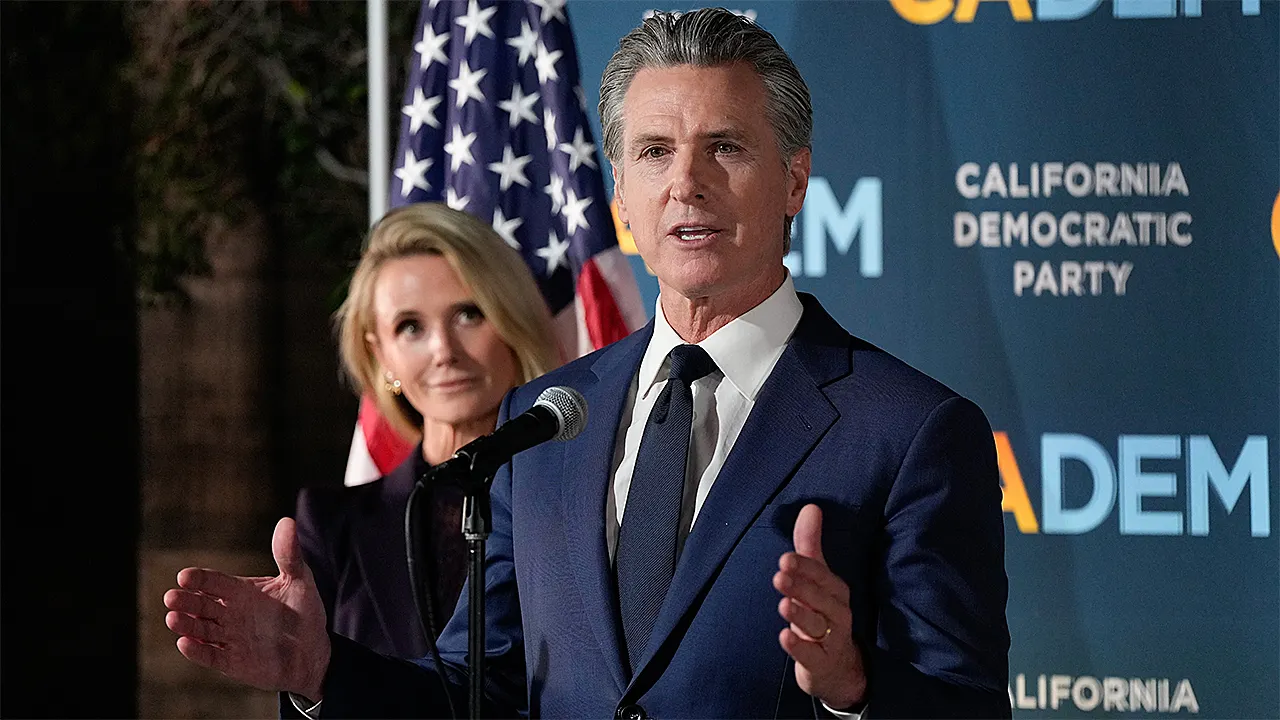
The decision has unsettled activists aligned with the Make America Healthy Again agenda, who have long treated pesticide reduction as a central policy goal. US Health and Human Services Secretary Robert F. Kennedy Jr, a prominent voice in the movement, previously built part of his public advocacy around claims that glyphosate-based products pose cancer risks.
In 2018, Kennedy, acting as an attorney, was involved in litigation alleging that Monsanto failed to adequately warn consumers about potential health dangers associated with Roundup. He has reiterated in public appearances that he believes glyphosate contributes to cancer risk. Yet in response to the executive order, Kennedy emphasized the importance of safeguarding domestic supply chains, stating that national security considerations must take precedence.
Advocacy groups such as <a href=”https://www.momsacrossamerica.com”>Moms Across America</a> reacted sharply, describing the order as inconsistent with the movement’s core health objectives. The nonprofit has campaigned for restrictions or bans on glyphosate, arguing that expanding domestic production could insulate manufacturers from liability while leaving public health questions unresolved.
The debate reflects a broader tension between agricultural dependence and health precaution. Kennedy has acknowledged that abruptly banning glyphosate could disrupt farming operations, suggesting that as much as 80% of American farmers rely on herbicide-based weed control systems to maintain productivity and cost efficiency.
Legal and Economic Stakes
The controversy coincides with a proposed $7,250,000,000 settlement by Bayer, which acquired Monsanto in 2018, aimed at resolving current and future claims that Roundup causes cancer. The company has consistently maintained that scientific reviews and regulatory bodies worldwide have determined glyphosate products can be used safely when applied according to label instructions.
Regulatory oversight of pesticide approvals and safety standards in the United States falls under agencies such as the Environmental Protection Agency, which periodically reassesses glyphosate’s risk profile. While some international bodies have classified glyphosate as a probable carcinogen under certain exposure conditions, US regulators have concluded that it is unlikely to pose a cancer risk when used as directed.
On Capitol Hill, Republican Representative Thomas Massie has introduced legislation aimed at reversing the executive order, arguing that it could limit legal recourse for individuals seeking damages. Supporters of the order, however, contend that domestic production safeguards farmers from supply disruptions and shields the agricultural sector from geopolitical pressures.
The dispute underscores the delicate balance between economic stability, public health concerns, and national security priorities, placing glyphosate at the center of an increasingly complex policy debate.