Trump Reaffirms Support for Witkoff After Leaked Negotiation Call
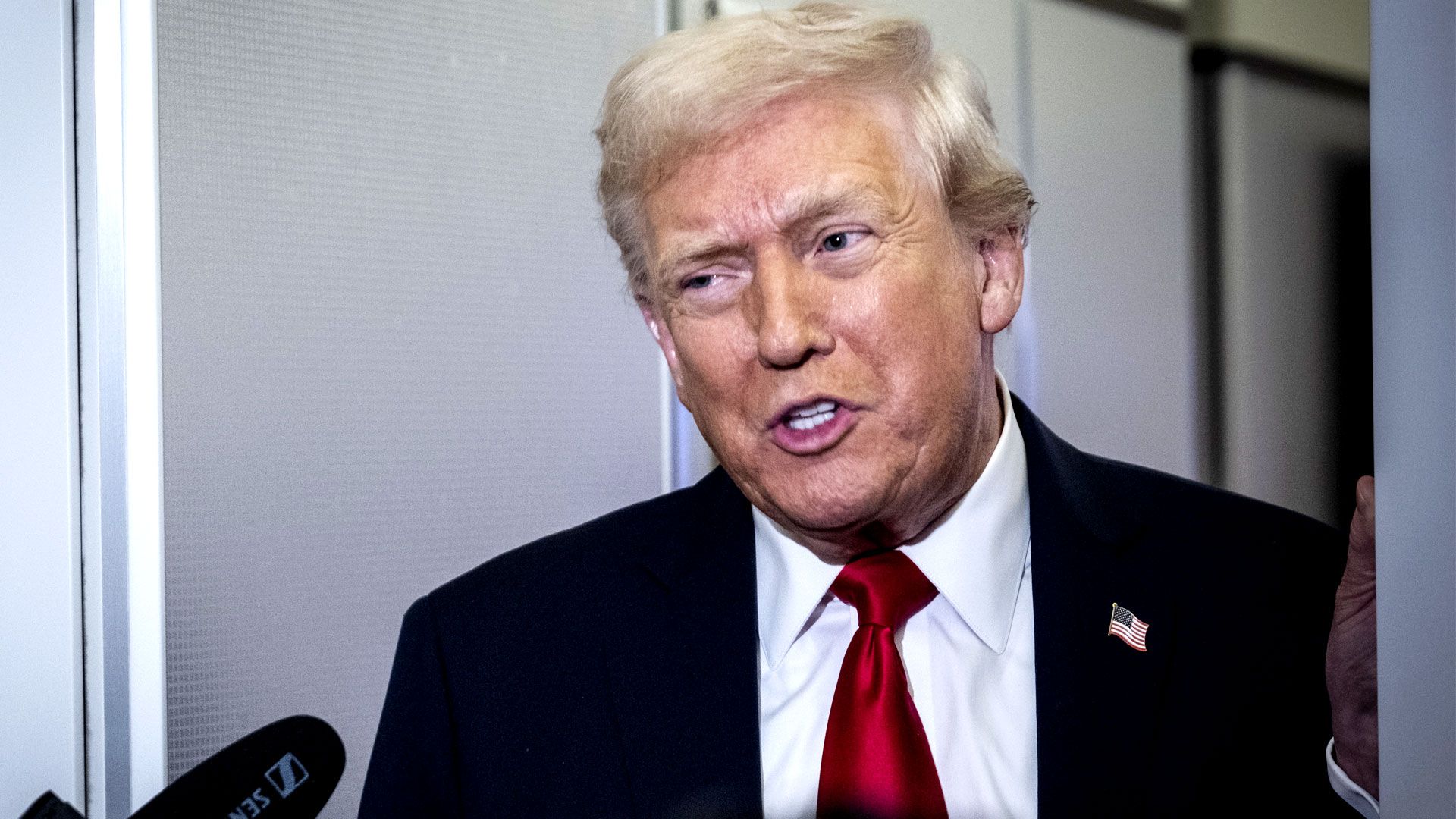
President Donald Trump is standing firmly behind Steve Witkoff, the special envoy tasked with leading sensitive diplomatic efforts, after a leaked recording appeared to show him coaching a Russian official on how to better position Moscow’s preferred terms in the ongoing effort to secure an end to the war in Ukraine. Speaking aboard Air Force One on his flight to Florida, Trump dismissed concerns surrounding the conversation, calling it a standard part of high-stakes diplomacy and emphasizing that negotiators often need to understand how each side frames its priorities. As public attention intensifies around the approach taken by the U.S. envoy, the administration continues navigating a complicated and politically charged geopolitical landscape.
Trump underscored that Witkoff’s role requires him to engage deeply with both sides and present their interests clearly, a stance he described as necessary for any meaningful diplomatic progress. According to the president, understanding the perspectives of both Kyiv and Moscow is essential to building a foundation for a workable agreement. The controversy surrounding the call has also renewed examination of Witkoff’s broader strategy and background, a topic that has been widely discussed across analytical platforms such as Council on Foreign Relations, which routinely explores U.S. negotiation practices and geopolitical dynamics.
A Long Personal Bond Shapes Trump’s Confidence in His Envoy
Trump’s defense of Witkoff is rooted in a friendship that spans nearly four decades. Their connection, which began during a chance late-night encounter in New York, has grown into a close personal and professional relationship. Witkoff has repeatedly emphasized how Trump influenced his early career in real estate, crediting him with shaping his entrepreneurial instincts and his approach to deal-making. Their bond strengthened over time, particularly during difficult personal moments, including the loss of Witkoff’s son, when Trump offered private support away from public attention.
Throughout Trump’s political career, Witkoff became a trusted figure within the inner circle, assisting with fundraising efforts and mediating political tensions with key Republican leaders. His involvement in outreach to state officials, including governors and party challengers, demonstrated Trump’s reliance on him not just as a negotiator, but as a bridge-builder within the broader conservative movement. Analysts examining political networks, such as those found on Brookings Institution, have noted how personal loyalty and longstanding relationships often shape leadership dynamics within U.S. administrations.
Witkoff’s Negotiation Philosophy Faces Global Realities
Witkoff has described his negotiating style as one rooted in empathy and strategic understanding, asserting that effective diplomacy requires considering what the opposing side values most. He argues that a successful deal must work for all parties, a belief shaped by years of navigating complex real estate transactions. Business leaders familiar with his approach have recalled negotiations where Witkoff sought to reduce tensions, identify shared interest, and turn adversarial conversations into lasting partnerships.
However, experts caution that international conflict resolution carries challenges far beyond the business environment. The war in Ukraine involves deep-rooted geopolitical tensions, national security concerns, and competing global interests that extend well beyond standard negotiation frameworks. Strategists examining the conflict, including researchers contributing to discussions at Atlantic Council, emphasize the difficulty of persuading President Vladimir Putin to modify core military objectives or accept concessions that could alter Russia’s long-term position.
Diplomatic analysts also highlight that urgency is a crucial component of any potential agreement, influenced by the level of pressure each side faces and the potential benefits of compromise. Creating the right conditions for progress requires a mediator capable of balancing incentives and consequences, a skill set traditionally associated with diplomats with deep historical experience. As noted in scholarly evaluations accessible through RAND Corporation, meaningful breakthroughs typically require both flexibility and a readiness by all sides to accept politically sensitive outcomes. With Witkoff preparing for additional travel to Moscow, the administration is signaling that it remains committed to pursuing a path toward negotiations, even as questions persist about the feasibility of achieving a stable and lasting agreement.