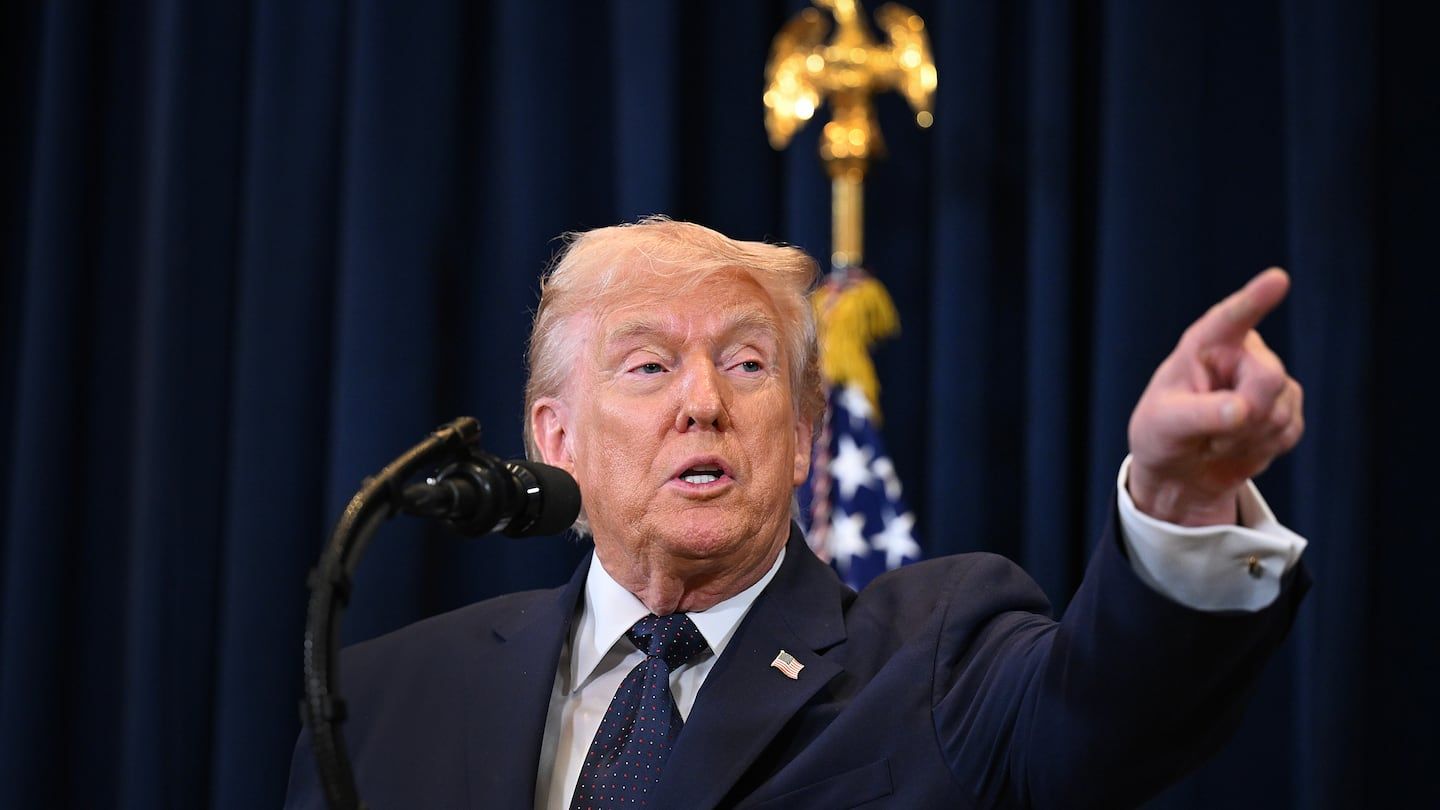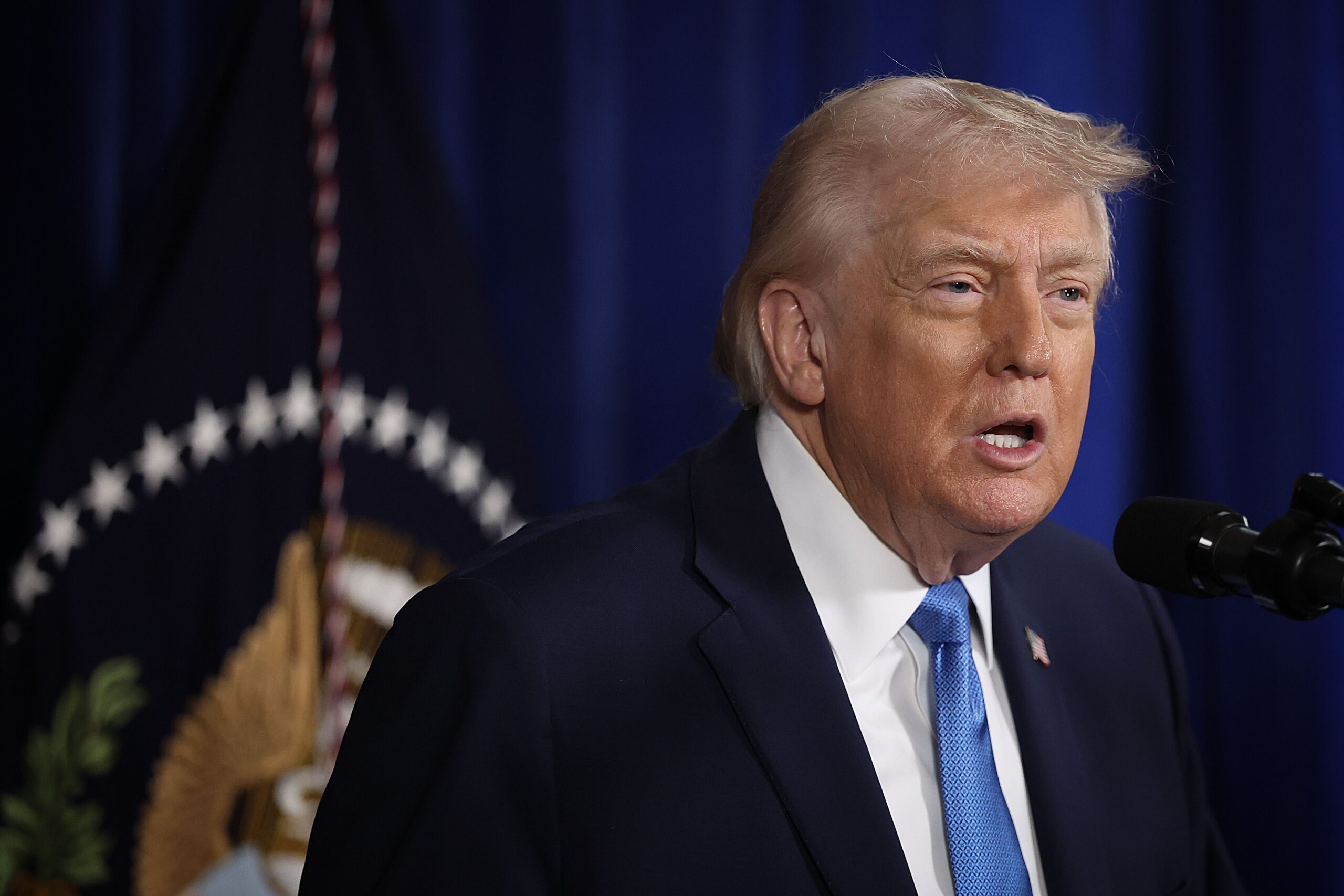
President Donald Trump stated that the United States is preparing to acquire between 30 million and 50 million barrels of oil from Venezuela at prevailing market prices, a move that would mark a significant change in Washington’s approach to Venezuela’s energy sector and broader bilateral relations. The announcement places oil policy at the center of a wider geopolitical strategy that links energy security, economic leverage, and political pressure in the Western Hemisphere.
At current oil prices near $56 per barrel, the proposed transaction could reach a value of approximately $2.8 billion, depending on final volumes and pricing mechanisms. While Trump emphasized that the proceeds from the oil would be used in a manner intended to benefit citizens in both countries, the statement also underscored a more assertive posture toward Venezuela’s vast but underperforming oil industry.
Energy Security and U.S. Strategic Interests
The United States consumes roughly 20 million barrels of oil and petroleum products per day, according to data from the U.S. Energy Information Administration, making energy diversification a persistent strategic priority. A transfer of up to 50 million barrels from Venezuela would represent several days of U.S. consumption, offering short-term supply flexibility rather than a long-term solution. Still, the symbolic value of reengaging with Venezuelan oil carries broader implications for global energy markets and regional influence.
Venezuela holds the world’s largest proven oil reserves, yet years of underinvestment, sanctions, and infrastructure deterioration have severely limited production capacity. U.S. officials have indicated that any meaningful recovery of output would require foreign capital, technology, and operational expertise. This is one reason the White House has initiated discussions with American energy firms that have historical experience operating in Venezuela, including companies with global upstream portfolios and refining capabilities.
The administration’s outreach to industry leaders reflects a belief that U.S. involvement could stabilize production while advancing American economic and strategic interests. Energy companies such as Chevron and ExxonMobil have previously navigated complex regulatory and political environments in Latin America, positioning them as potential participants should access conditions change. Information about Chevron’s international operations can be found at https://www.chevron.com, while ExxonMobil’s global energy projects are detailed at https://corporate.exxonmobil.com.
Political Pressure and Oil Sector Access
Trump’s remarks framed the oil arrangement as part of a broader effort to reshape Venezuela’s political and economic trajectory. The administration has continued to argue that opening the Venezuelan energy sector to U.S. companies is essential for modernization and transparency, while also aligning Caracas more closely with U.S. regional priorities.
Venezuelan officials have publicly rejected what they describe as external threats and coercion, insisting that domestic political outcomes should not be dictated by foreign governments. Tensions escalated following a U.S. military operation that resulted in significant casualties among Venezuelan and allied security forces, further complicating prospects for diplomatic engagement.
Despite these tensions, oil remains one of the few areas where pragmatic negotiations could emerge. The prospect of market-priced transactions suggests an attempt to balance economic realism with political leverage, avoiding outright confiscation while still asserting U.S. influence. Details on U.S. energy policy and executive actions are publicly available through official government resources such as https://www.whitehouse.gov.
Market Implications and Regional Dynamics
The announcement also reverberates beyond Venezuela, particularly in neighboring energy-producing countries. Developments offshore Guyana, where ExxonMobil has invested heavily in large-scale discoveries, have already altered the regional balance of oil production. These projects have intensified long-standing territorial disputes and highlighted how energy investments can reshape geopolitical alignments in northern South America.
From a market perspective, any increase in Venezuelan exports to the United States could affect regional crude flows, refinery feedstock choices, and pricing differentials. However, analysts note that Venezuela’s current production constraints mean that even large headline figures may take time to materialize in actual shipments. The technical challenges of restoring wells, pipelines, and export terminals remain substantial.
For the United States, the proposed oil acquisition reinforces a broader strategy of leveraging domestic consumption power to influence global energy producers. By signaling willingness to engage economically while maintaining political conditions, the administration is positioning energy policy as both a diplomatic tool and a safeguard for U.S. supply resilience. Additional data on U.S. oil consumption and imports can be accessed via https://www.eia.gov.
As discussions with energy executives and regional stakeholders continue, the proposed U.S.–Venezuelan oil deal highlights how resource economics, foreign policy, and domestic politics are increasingly intertwined. Whether the plan evolves into sustained cooperation or remains a limited transaction will depend on market realities, political negotiations, and the ability of both sides to reconcile strategic interests with economic constraints.