The Trump administration moved to restore approximately $2 billion in federal funding for mental health and addiction treatment programs after a sudden decision to terminate grants triggered widespread disruption across the United States. The funding reversal came less than 24 hours after thousands of nonprofit organizations were notified that their grants were being discontinued, setting off uncertainty across an already strained public health infrastructure.
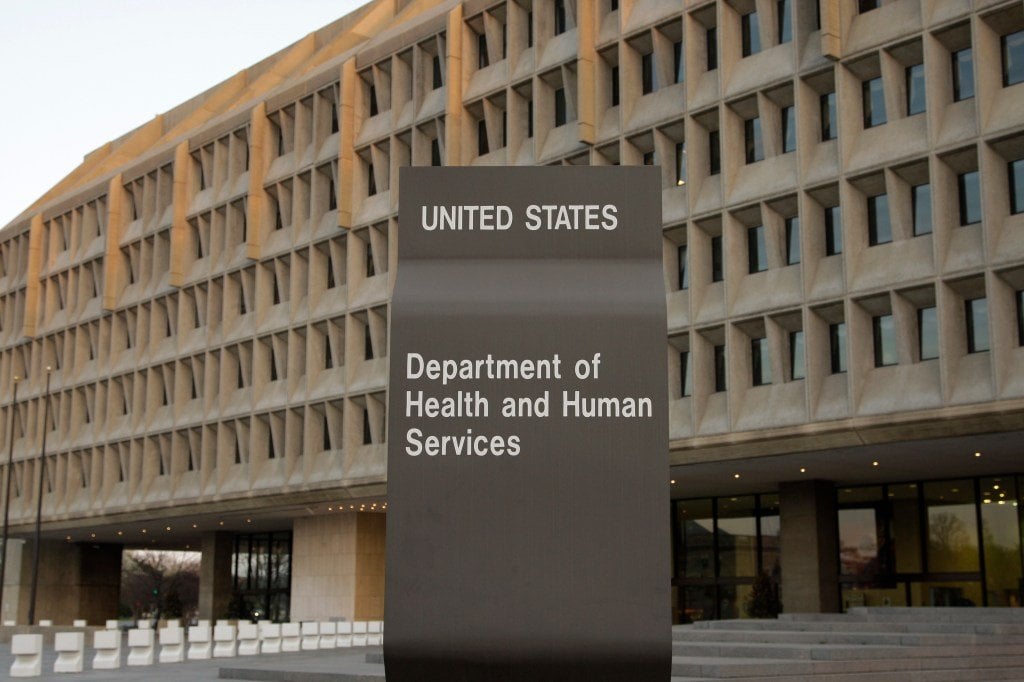
The affected programs form a critical layer of the national behavioral health system, delivering services that range from substance use treatment and crisis intervention to long-term mental health care. Many of these initiatives depend almost entirely on federal grants administered through agencies such as the Substance Abuse and Mental Health Services Administration, which operates under the Department of Health and Human Services at https://www.hhs.gov.
Abrupt Grant Terminations Spark National Confusion
Late Tuesday, grant recipients began receiving termination notices stating that their programs no longer aligned with federal public health priorities. The lack of advance warning or accompanying guidance left organizations uncertain about whether they could continue providing care or retain staff. Providers reported confusion over how patients would access treatment if funding was permanently withdrawn, particularly in underserved communities where alternatives are limited.
Organizations serving people with severe mental illness and substance use disorders warned that even brief funding interruptions could result in clinic closures and treatment disruptions. Many programs supported through https://www.samhsa.gov serve populations facing high risks from fentanyl, methamphetamine, and co-occurring mental health conditions, making continuity of care a central concern during the funding lapse.
Bipartisan Pressure Forces Policy Reversal
As the effects of the decision became clear, pressure mounted from state officials, advocacy organizations, and members of Congress from both political parties. Lawmakers raised concerns that dismantling grant-funded programs would undermine national efforts to address addiction and mental health at a time when overdose deaths and untreated psychiatric conditions remain persistent challenges.
Medical organizations also warned that sudden funding reversals could leave patients without essential treatment. Groups such as the American Medical Association, whose policy work on access to care is outlined at https://www.ama-assn.org, emphasized that instability in funding systems disproportionately harms vulnerable populations and places additional strain on emergency services.
By Wednesday night, federal officials confirmed that all affected organizations would have their full funding reinstated, and notifications began circulating to grant recipients across the country.
Long-Term Concerns About Public Health Governance
Although the immediate crisis was resolved, the episode raised broader questions about decision-making processes within federal health agencies. Former officials and public health experts noted that career staff and subject-matter specialists appeared to have little involvement in the original decision to terminate the grants, creating concerns about transparency and governance.
Advocacy groups, including the National Alliance on Mental Illness at https://www.nami.org, warned that repeated policy reversals could weaken workforce morale and destabilize a system already under pressure from Medicaid funding changes and rising demand for services. While funding was restored, providers cautioned that trust in the reliability of federal support has been shaken, potentially affecting long-term planning and patient care.